
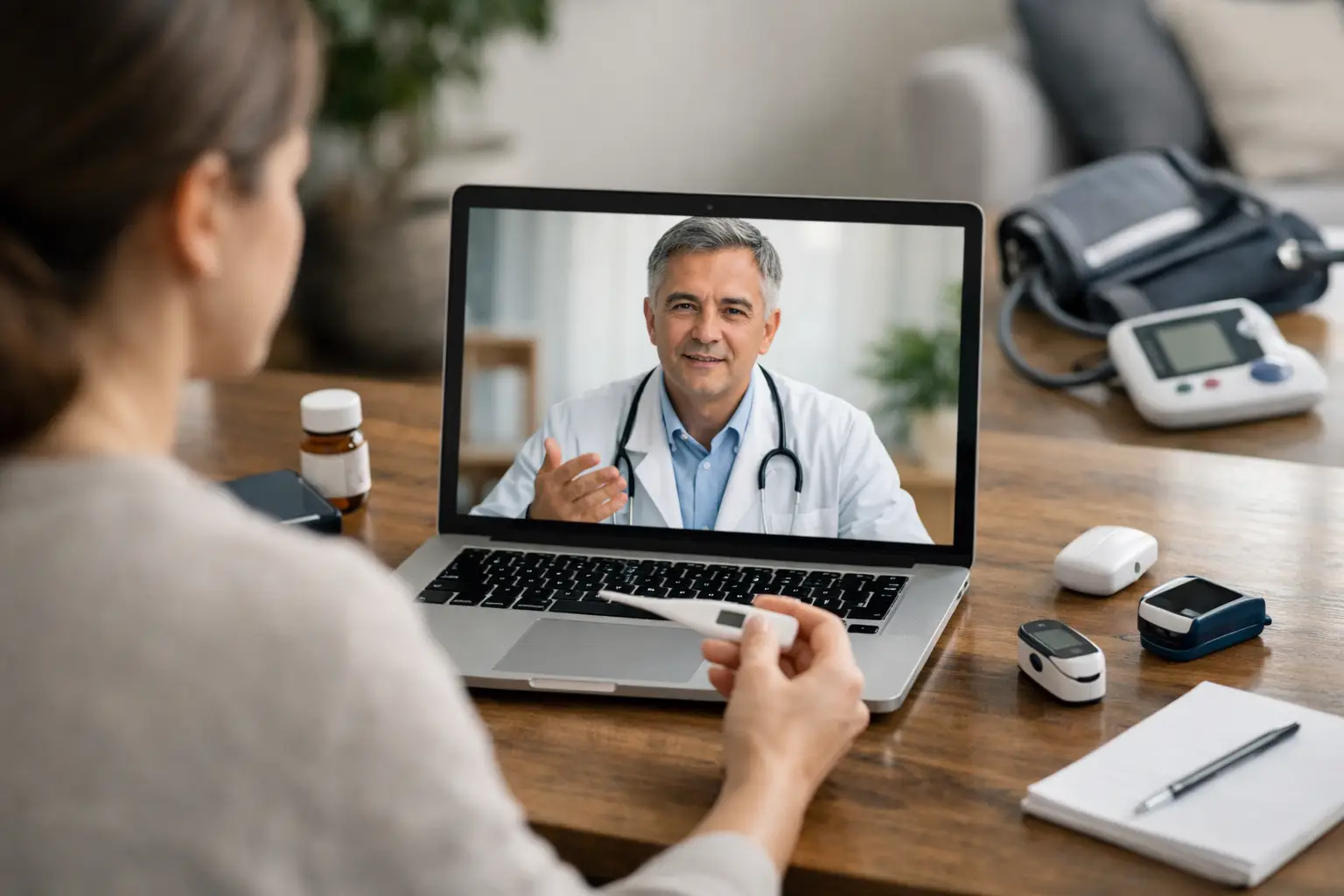
Getting medical help should not depend on how close you live to a clinic, how easily you can drive, or whether you can take half a day off work. Remote healthcare access has changed that for millions of people, making it easier to talk with a doctor, refill prescriptions, follow up on test results, and manage chronic conditions without always sitting in a waiting room.
For many adults, this is not just about convenience. It can mean faster care for a sick child, less stress for a caregiver, or better check-ins for someone dealing with diabetes, high blood pressure, anxiety, or mobility issues. It can also help people in rural areas or those without reliable transportation stay more connected to their care.
How remote healthcare access works
Remote healthcare access usually includes telehealth visits by video or phone, secure messaging through patient portals, online prescription management, and home monitoring tools that send health data to a provider. Some people use it for quick urgent care questions. Others use it as part of long-term treatment.
A video visit may be enough for reviewing symptoms, discussing lab work, adjusting medications, or checking in on mental health. Phone calls can help when internet service is poor or video feels too complicated. In some cases, devices such as blood pressure cuffs, glucose monitors, pulse oximeters, or smart scales allow providers to track important changes between visits.
This model works best when it supports regular care, not when it tries to replace every in-person appointment. A sore throat might be handled remotely. Chest pain, severe breathing trouble, or symptoms of a stroke should not.
The biggest benefits for everyday patients
The most obvious benefit is easier access. People can speak with a healthcare professional from home, work, or even while traveling. That saves time and may reduce missed appointments.
There is also a real comfort factor. Some patients feel more relaxed asking questions from home than they do in a clinic. That can lead to better conversations, especially for sensitive issues such as sexual health, stress, sleep problems, or early mental health concerns.
Remote healthcare access can also improve follow-through. When care is easier to reach, people are more likely to attend follow-ups, stick with treatment plans, and catch small problems before they become big ones. For chronic disease management, that matters a lot.
Caregivers benefit too. If you help an older parent or a family member with a long-term illness, remote visits can cut down on travel, waiting, and scheduling headaches.
Where remote care falls short
This is the part many people overlook: remote care has limits. A provider cannot listen to your lungs through a screen or press on your abdomen over a phone call. If you need a physical exam, imaging, stitches, or emergency treatment, an in-person visit is still the right move.
Technology can also get in the way. Not everyone has strong internet, a smartphone, or comfort with apps and patient portals. Older adults may need help setting up devices or remembering login steps. Even when the system works well, privacy can be a concern if you are taking a call in a shared home or workplace.
Insurance coverage can be another gray area. Many plans cover telehealth, but not always in the same way. The type of visit, the provider, and your state rules may affect what you pay.
Who may benefit the most
Remote care can be especially helpful for people with chronic health needs, busy work schedules, transportation challenges, or caregiving duties. It often works well for medication reviews, nutrition counseling, mental health support, skin concerns, follow-up care, and routine management of ongoing conditions.
It may also support preventive health. A quick remote visit can be the push someone needs to ask about blood pressure, weight changes, stress, sleep, or digestive issues before they ignore symptoms for months. For readers who also care about lifestyle habits, food choices, and natural wellness, remote visits can open the door to practical conversations about daily routines, symptom tracking, and safe complementary support.
That said, natural remedies and herbal products should still be discussed carefully with a qualified provider. “Natural” does not always mean harmless, especially if you take prescription drugs or manage a chronic condition.
How to make remote healthcare access work better for you
A little preparation makes a big difference. Before your visit, write down your symptoms, when they started, what makes them better or worse, and any medications or supplements you use. Have your pharmacy information ready. If you monitor blood pressure, blood sugar, weight, or temperature at home, keep those numbers nearby.
Try to choose a quiet, well-lit space so you can hear clearly and speak freely. If the visit is by video, test your camera and microphone first. If video fails, ask whether a phone visit is possible.
It also helps to know your goal. Are you trying to get a diagnosis, adjust a medicine, ask about side effects, or decide whether you need urgent care? Clear questions usually lead to clearer answers.
Remote healthcare access is growing, but it is not one-size-fits-all
The best way to think about remote care is as another tool, not a full replacement for traditional medicine. It can make care faster, easier, and less stressful, but it works best when patients know when it is enough and when they need hands-on treatment.
For many households, that balance is exactly what makes modern care more realistic. If remote healthcare access helps you ask questions sooner, stay on top of a condition, or avoid skipping care altogether, it is already doing something valuable.

