
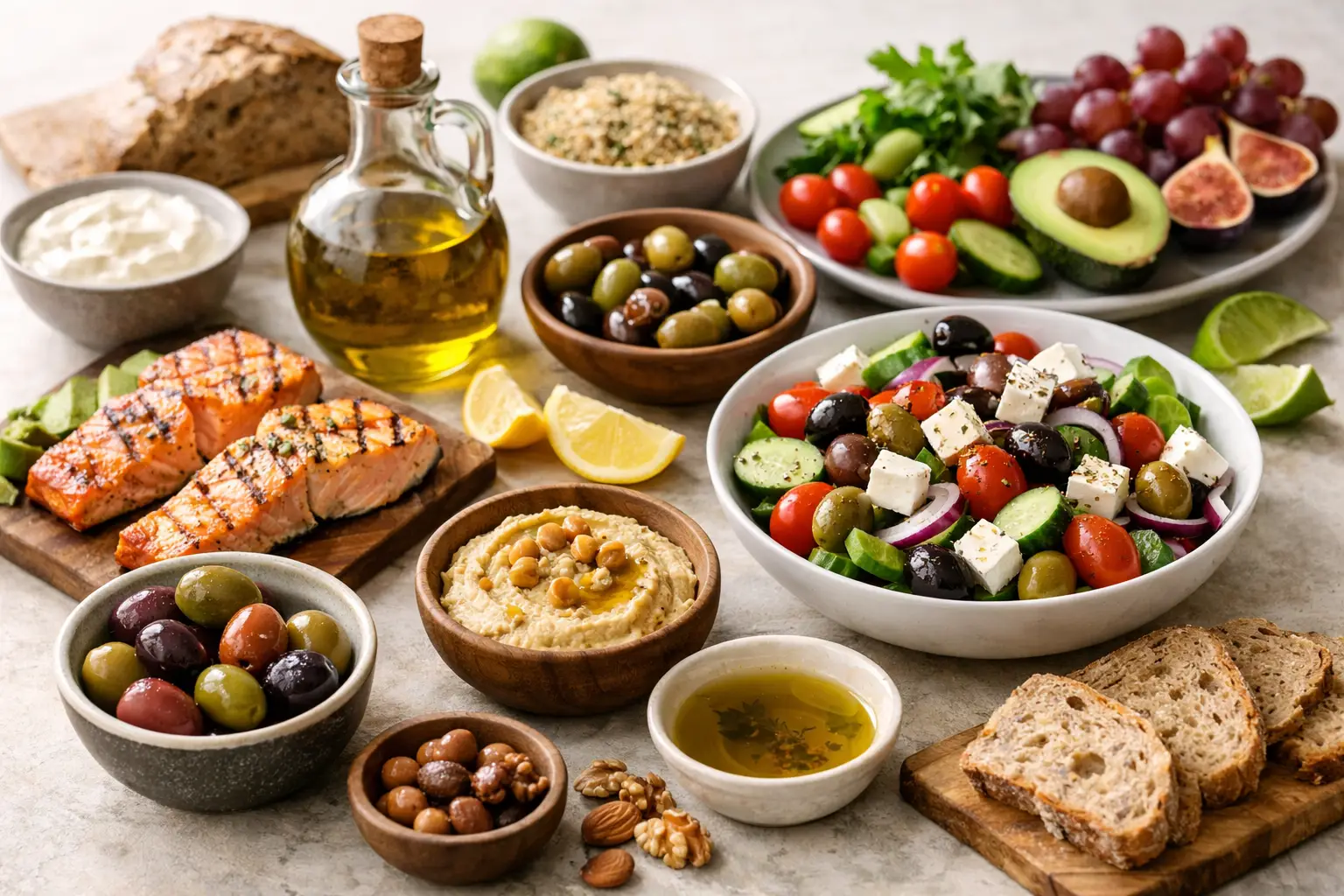
Most diets fail for one simple reason: they ask people to eat like a different person overnight. A Mediterranean diet plan works better for many adults because it is built around familiar foods, flexible meals, and habits people can actually keep. Instead of strict food rules, it focuses on vegetables, beans, fruit, fish, whole grains, olive oil, nuts, and simple home-style meals.
What makes a Mediterranean diet plan different?
This way of eating is less about chasing a fast drop on the scale and more about improving the quality of your daily meals. The biggest shift is replacing highly processed food with whole, satisfying foods that support long-term health.
A Mediterranean diet plan usually includes plenty of vegetables, lentils, chickpeas, oats, brown rice, yogurt, seeds, herbs, and healthy fats like olive oil. Fish and seafood show up regularly, while red meat, sugary snacks, and heavily processed meals are kept more occasional. That balance may support heart health, blood sugar control, and weight management, especially when paired with regular movement and better sleep.
It is not a magic fix, though. If meals are overloaded with cheese, oversized portions, or calorie-dense snacks like nuts and dried fruit, weight loss can stall. Healthy food still counts toward your total intake.
The easiest way to build your plate
If you feel overwhelmed by diet advice, keep this simple. Start with half your plate as vegetables, add a source of protein, then fill the rest with a high-fiber carb or legumes. Finish with a small amount of healthy fat.
That could look like grilled salmon with roasted broccoli and quinoa, or a bowl of chickpeas, cucumber, tomatoes, greens, and olive oil with a spoonful of plain yogurt on the side. Breakfast can be just as easy: oatmeal with berries and walnuts, or Greek yogurt with fruit, chia seeds, and cinnamon.
This pattern helps because it gives you fiber, protein, and fat in the same meal. That combination tends to keep hunger more stable than a breakfast pastry or a fast-food lunch.
Foods to eat more often
You do not need expensive specialty products to do this well. A smart Mediterranean diet plan can be built from ordinary grocery store basics.
Try to eat vegetables and fruit every day, especially leafy greens, tomatoes, peppers, berries, oranges, and seasonal produce. Use beans, lentils, tuna, eggs, chicken, tofu, or fish as regular protein choices. Pick whole grains more often than refined ones, and use olive oil instead of butter for many meals.
Herbs matter here too. Garlic, parsley, oregano, basil, rosemary, mint, and turmeric can add flavor without relying so heavily on salt or sugary sauces. For readers interested in natural wellness, this is one of the biggest strengths of this eating style: food gets its flavor from plants, not just additives.
Foods to cut back on
This does not mean you can never eat dessert, burgers, or pizza again. It means those foods stop being the default.
The biggest items to limit are sugary drinks, packaged snack foods, processed meats, refined breads, and frequent fried meals. Many people also benefit from cutting back on oversized coffee drinks, sweet breakfast cereals, and late-night snacking. These are often the quiet habits that push calories up without adding much nutrition.
If you are managing high blood pressure, prediabetes, or high cholesterol, this shift can matter even more. Still, individual needs vary. Someone with kidney disease, food allergies, or digestive issues may need a more tailored version.
A simple one-day Mediterranean diet plan
A realistic day might start with plain Greek yogurt, blueberries, walnuts, and a sprinkle of flaxseed. Lunch could be a whole grain wrap with hummus, grilled chicken, spinach, cucumber, and tomato. For dinner, baked fish with brown rice and roasted zucchini works well. If you want snacks, think apple slices with almond butter, a small handful of nuts, or carrots with bean dip.
Notice what is missing: complicated rules. You are not counting every olive or measuring every bite. You are building meals around foods that are filling and less processed.
How to make it work on a budget
One reason people give up on healthy eating is cost. The good news is this plan does not require imported ingredients or fancy wellness products.
Beans, oats, canned tuna, frozen vegetables, eggs, potatoes, and plain yogurt are affordable staples. Buying olive oil, nuts, and fish can raise the bill, so use them wisely. Canned sardines or salmon, store-brand olive oil, and bulk grains can keep the cost down. Frozen produce is also a smart option and often just as nutritious as fresh.
Who benefits most from this eating style?
A Mediterranean diet plan can be especially helpful for adults trying to improve heart health, lose weight steadily, lower inflammation, or move away from ultra-processed food. It may also feel easier to follow than highly restrictive diets because it leaves room for family meals, restaurant eating, and personal taste.
That said, results depend on consistency. If your meals are Mediterranean-inspired but your weekends are full of fast food, heavy drinking, and mindless snacking, progress may be slow. Better eating patterns help most when they become routine, not occasional.
If you want a healthier way to eat without turning your life upside down, this is one of the most realistic places to start: cook more often, eat more plants, use olive oil, and keep the processed stuff from taking over your plate.

