
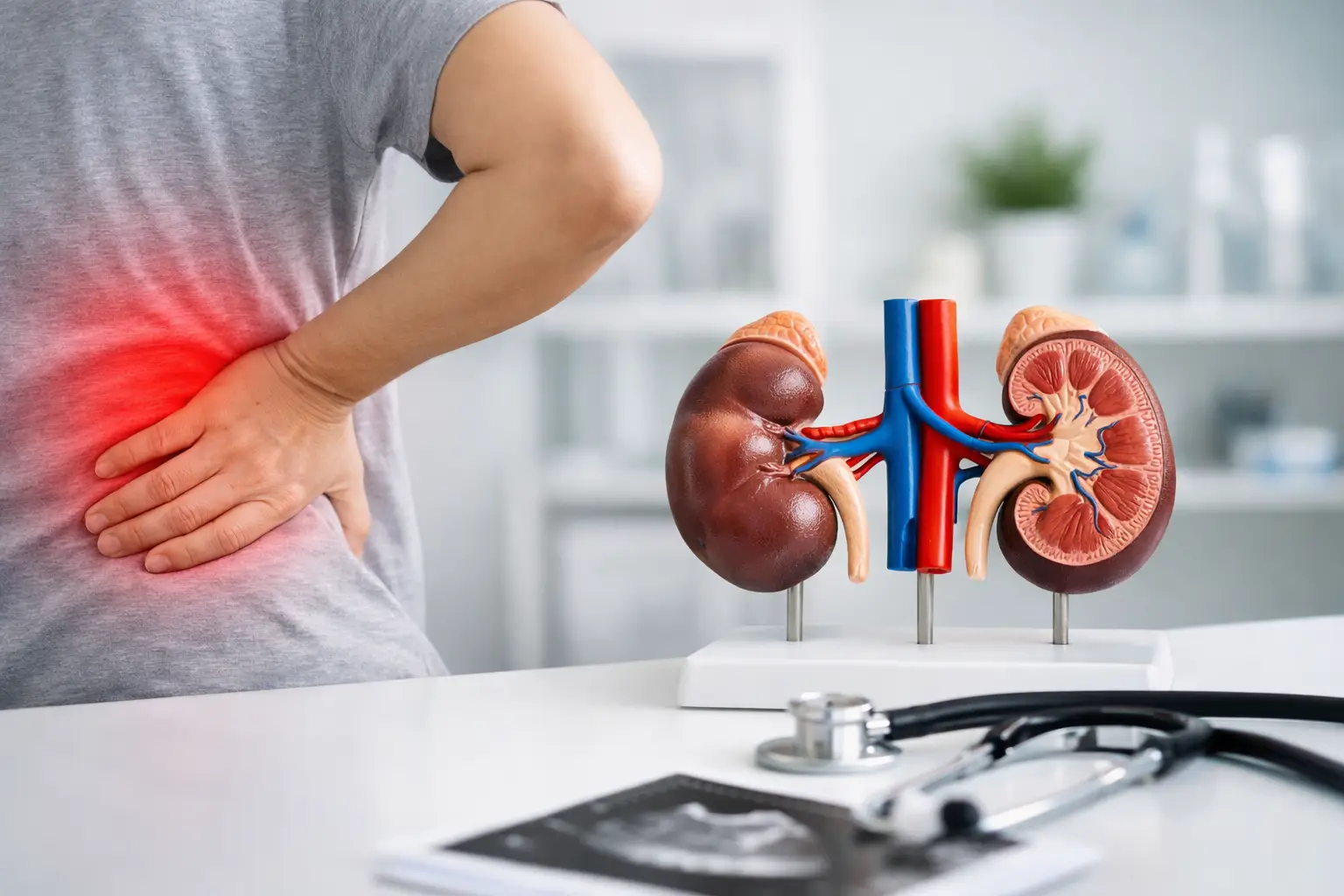
Kidney disease symptoms are easy to miss at first, and that is part of what makes them so risky. Many people expect sharp pain or a dramatic warning sign, but early kidney problems often build quietly. By the time symptoms become obvious, kidney function may already be affected.
Your kidneys filter waste, balance fluids, help control blood pressure, and support red blood cell production. When they are not working well, the effects can show up in ways that seem unrelated, like swelling, fatigue, or changes in urination. That is why knowing the signs matters, especially if you have diabetes, high blood pressure, a family history of kidney disease, or are over age 60.
Early kidney disease symptoms
In the early stages, kidney disease may cause few symptoms or none at all. When signs do appear, they are often subtle. You might notice that you are more tired than usual, even after enough sleep. This happens because waste can build up in the body, and kidney disease can also lead to anemia, which lowers energy levels.
Changes in urination are another common clue. Some people urinate more often, especially at night. Others notice foamy urine, which can be a sign of protein leaking into the urine. Urine may also look darker, more concentrated, or occasionally contain blood. None of these changes automatically mean kidney disease, but they do deserve attention.
Swelling is another symptom people often overlook. If your kidneys are struggling to remove extra fluid and sodium, you may see puffiness in the feet, ankles, legs, hands, or around the eyes. Mild swelling can have other causes too, but persistent swelling should not be brushed off.
Common warning signs that kidney problems may be getting worse
As kidney function drops further, symptoms tend to become harder to ignore. Ongoing nausea, poor appetite, muscle cramps, and itchy skin can develop as waste products and minerals become unbalanced in the blood. Some people notice trouble concentrating or feel mentally foggy.
Shortness of breath can also happen. In some cases, extra fluid builds up in the body. In others, anemia related to kidney disease reduces oxygen delivery, making everyday activity feel more tiring. If you are suddenly breathless, especially with swelling or chest discomfort, it is smart to get medical help quickly.
High blood pressure is both a cause and a result of kidney disease. That can create a frustrating cycle. Damaged kidneys may raise blood pressure, and uncontrolled blood pressure may damage the kidneys even more. If your readings are creeping up despite treatment, your doctor may want to check kidney function.
What kidney disease symptoms can feel like day to day
For many people, the symptoms do not arrive all at once. Instead, they show up as small changes that are easy to blame on stress, aging, or diet. You may feel worn out, lose interest in food, wake up puffy, or notice your shoes feel tighter by evening.
That is one reason kidney disease often goes undiagnosed. Fatigue, swelling, and bathroom changes can seem minor on their own. But when several happen together, or they keep returning, it is worth paying attention.
Back pain is sometimes linked with the kidneys, but it is not the most reliable symptom of chronic kidney disease. Kidney infections or kidney stones are more likely to cause sudden pain. Chronic kidney disease is often quieter.
When to see a doctor
See a doctor if you have persistent swelling, blood in the urine, major changes in urination, unexplained fatigue, or ongoing nausea. You should also get checked if you have risk factors such as diabetes, high blood pressure, heart disease, obesity, or a close relative with kidney disease.
A simple blood test and urine test can reveal a lot. Doctors usually look at creatinine, estimated glomerular filtration rate, and whether protein is present in the urine. These tests can catch problems before symptoms become severe.
If symptoms come on suddenly, do not wait. Severe weakness, confusion, trouble breathing, chest pressure, or very little urine output may signal a medical emergency.
Can lifestyle and natural support help?
Lifestyle changes can support kidney health, but they are not a substitute for diagnosis or treatment. If you have kidney disease or suspect it, getting evaluated comes first. After that, habits like controlling blood sugar, managing blood pressure, staying hydrated, limiting excess sodium, and avoiding unnecessary overuse of pain medicines can help protect kidney function.
Some people are interested in herbs and natural wellness options. That interest makes sense, but this is an area where caution matters. Certain herbal products may irritate the kidneys or interact with medications. Natural does not always mean kidney-safe. If you already have reduced kidney function, always check with a healthcare professional before trying supplements or herbal blends.
A kidney-friendly eating plan may also help, but it depends on the stage of disease. Some people need to watch sodium, while others may also need to limit potassium, phosphorus, or protein. This is where personalized advice matters more than general diet trends.
The big takeaway is simple: kidney disease symptoms can be quiet, vague, and easy to explain away. If your body is sending repeated signals like swelling, fatigue, urine changes, or nausea, listen early rather than late.

