
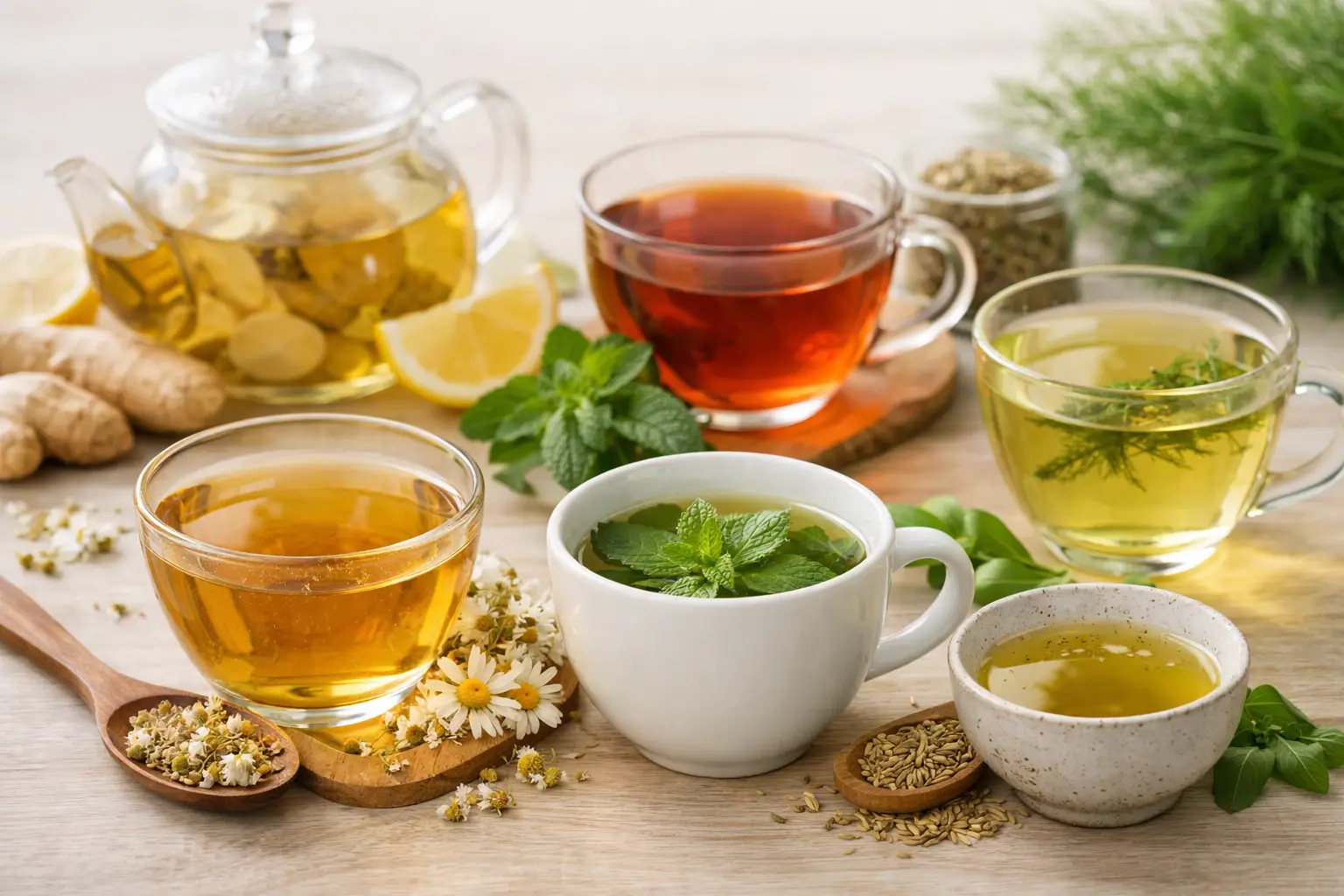
That tight, gassy, overfull feeling can make even a normal day feel uncomfortable fast. If you are searching for the best teas for bloating, the good news is that a few time-tested herbal options may help calm digestion, reduce belly pressure, and make you feel more comfortable after meals.
Bloating is common, but it is not always caused by the same thing. For some people, it shows up after eating too quickly or having a salty meal. For others, it comes with constipation, gas, PMS, food sensitivities, or stress. That is why no single tea works for everyone. The best choice often depends on whether your bloating feels more like trapped gas, sluggish digestion, cramping, or water retention.
Best teas for bloating and what makes them work
Herbal teas can support digestion in a few different ways. Some help relax the muscles of the digestive tract, which may ease cramping and help gas move through. Others may stimulate digestion gently or reduce the heavy feeling that comes after a rich meal. A few are better known for helping with fluid balance, which can matter when bloating feels more like puffiness than gas.
Tea is not a cure for chronic digestive problems, but it can be a simple and affordable tool that fits easily into your day. Warm liquids alone may help some people feel better, especially after eating. The herbs below are the ones most often used for mild digestive discomfort.
Peppermint tea
Peppermint tea is usually the first place people start, and for good reason. Peppermint contains compounds that may help relax the muscles in the digestive tract. That can make it especially useful when bloating comes with gas, intestinal spasms, or that hard, stretched feeling in the belly.
Many people find peppermint tea most helpful after a meal, particularly if they ate too much or had foods that tend to trigger gas. The taste is clean and cooling, which also makes it one of the easiest herbal teas to drink regularly.
There is one trade-off. Peppermint may worsen heartburn or reflux in some people because it can relax the muscle that helps keep stomach acid down. If your bloating usually comes with burning in the chest or throat, peppermint may not be your best pick.
Ginger tea
Ginger tea is a strong option when bloating comes with nausea, heaviness, or sluggish digestion. Ginger has a long history of use for upset stomach and may help food move through the digestive tract more efficiently. That can be useful when you feel uncomfortably full for hours after eating.
It tends to work well after a rich meal, while traveling, or anytime your stomach feels off and puffy at the same time. Fresh ginger tea often tastes more potent than bagged versions, with a warm, slightly spicy bite.
Ginger is not ideal for everyone in large amounts. Some people find it too strong on an empty stomach, and others notice mild heartburn if they drink it often. Start with a small cup if you are sensitive.
Fennel tea
Fennel tea is one of the best teas for bloating caused by gas. Traditionally used after meals in many cultures, fennel may help relax the digestive tract and support the movement of trapped gas. If your belly feels swollen and uncomfortable, but you also feel like you need to burp or pass gas, fennel is worth trying.
The flavor is lightly sweet and similar to licorice or anise. Some people love that taste right away, while others need time to get used to it. If peppermint feels too cooling or harsh, fennel can be a gentler alternative.
Fennel may not be your first choice if bloating is linked more to constipation or PMS water retention than gas. Still, for meal-related puffiness and pressure, it has a strong reputation.
Chamomile tea
Chamomile tea is often associated with sleep, but it can also help when stress and digestion are tied together. Many people notice more bloating during anxious periods, rushed meals, or evenings when their stomach just will not settle down. Chamomile may help by promoting relaxation and soothing mild digestive irritation.
This makes it especially useful at night or after dinner. If your bloating comes with cramping, nervous stomach, or a sense that your whole body needs to calm down, chamomile is a smart choice.
Its effect is usually gentle rather than dramatic. Chamomile is less about pushing digestion and more about settling things down. If you need stronger relief from trapped gas, peppermint or fennel may work faster.
Dandelion tea
Dandelion tea is a little different from the others because it is often used when bloating feels more like water retention than digestive gas. If your rings feel tight, your midsection feels puffy, and salty foods seem to make everything worse, dandelion may be helpful.
Dandelion leaf is often used for its mild diuretic effect, which means it may help the body release extra fluid. That is why some people reach for it during PMS or after a high-sodium day. It can be a useful option when your stomach feels swollen, but the cause does not seem to be indigestion alone.
Because it may increase urination, timing matters. It is usually better earlier in the day than right before bed. And if you have kidney issues, take diuretics, or manage a medical condition that affects fluid balance, it is smart to check with a healthcare professional first.
Lemon balm tea
Lemon balm tea does not get as much attention as peppermint or ginger, but it deserves a spot on the list. It may help when bloating is tied to stress, tension, or mild cramping. Lemon balm has a light citrusy flavor and a calming effect that makes it easy to drink in the afternoon or evening.
People who feel digestive discomfort during busy workdays may find this tea especially appealing. It is soothing without being too heavy or overly medicinal in taste. If chamomile makes you sleepy, lemon balm can feel a little lighter.
Like chamomile, its effects tend to be subtle. Think of it as steady support rather than a quick fix for severe bloating.
Green tea
Green tea is not a classic digestive herb in the same way peppermint or fennel are, but some people find it helps reduce that sluggish, puffy feeling after meals. It contains plant compounds linked to general wellness and may support digestion for some individuals. Warm green tea can also be a lighter alternative if you do not enjoy stronger herbal flavors.
Still, green tea has caffeine, and that matters. For some people, caffeine stimulates digestion in a helpful way. For others, it can irritate the stomach or make symptoms worse, especially if they already deal with reflux or sensitivity. If your bloating comes with jitters, nausea, or heartburn, green tea may not be the best fit.
How to choose the right tea for your symptoms
If your bloating feels like trapped gas, start with peppermint or fennel. If it feels more like fullness and slow digestion, ginger may be the better pick. If your stomach gets upset when you are stressed, chamomile or lemon balm can make more sense. And if you feel puffy all over, especially after salty meals or around your period, dandelion tea may be more useful than a gas-focused tea.
This is where a little trial and error helps. One person may swear by peppermint, while another gets better results from ginger. Your body, your triggers, and even the time of day can change what works best.
Simple ways to get more relief
Tea works better when it is part of a few basic habits. Sip it slowly instead of chugging it. Try it after meals rather than alongside large amounts of food. And pay attention to the foods and behaviors that set off your symptoms, like carbonated drinks, eating too fast, heavy late dinners, or not getting enough fiber.
It also helps to stay realistic. Tea may ease mild bloating, but it probably will not fix symptoms caused by constipation that has gone on for days, food intolerance, IBS, or an underlying health issue. If bloating happens often, is painful, or comes with weight loss, vomiting, severe constipation, diarrhea, or blood in the stool, it is time to get medical advice.
When tea is not enough
Frequent bloating can be a sign that something deeper is going on. Common possibilities include lactose intolerance, sensitivity to certain carbohydrates, constipation, reflux, hormonal changes, and digestive disorders like IBS. If you are relying on tea every day just to feel normal, that is a clue worth paying attention to.
At Herbafama, the goal is not just to suggest a natural remedy but to help you make sense of what your symptoms may be telling you. Tea can be comforting and genuinely helpful, but the best long-term relief often comes from matching the remedy to the reason.
A warm cup can take the edge off a bloated belly, but the smartest choice is the one that fits your symptoms, your routine, and your body. Start simple, notice how you feel, and let that guide what ends up in your mug.

