
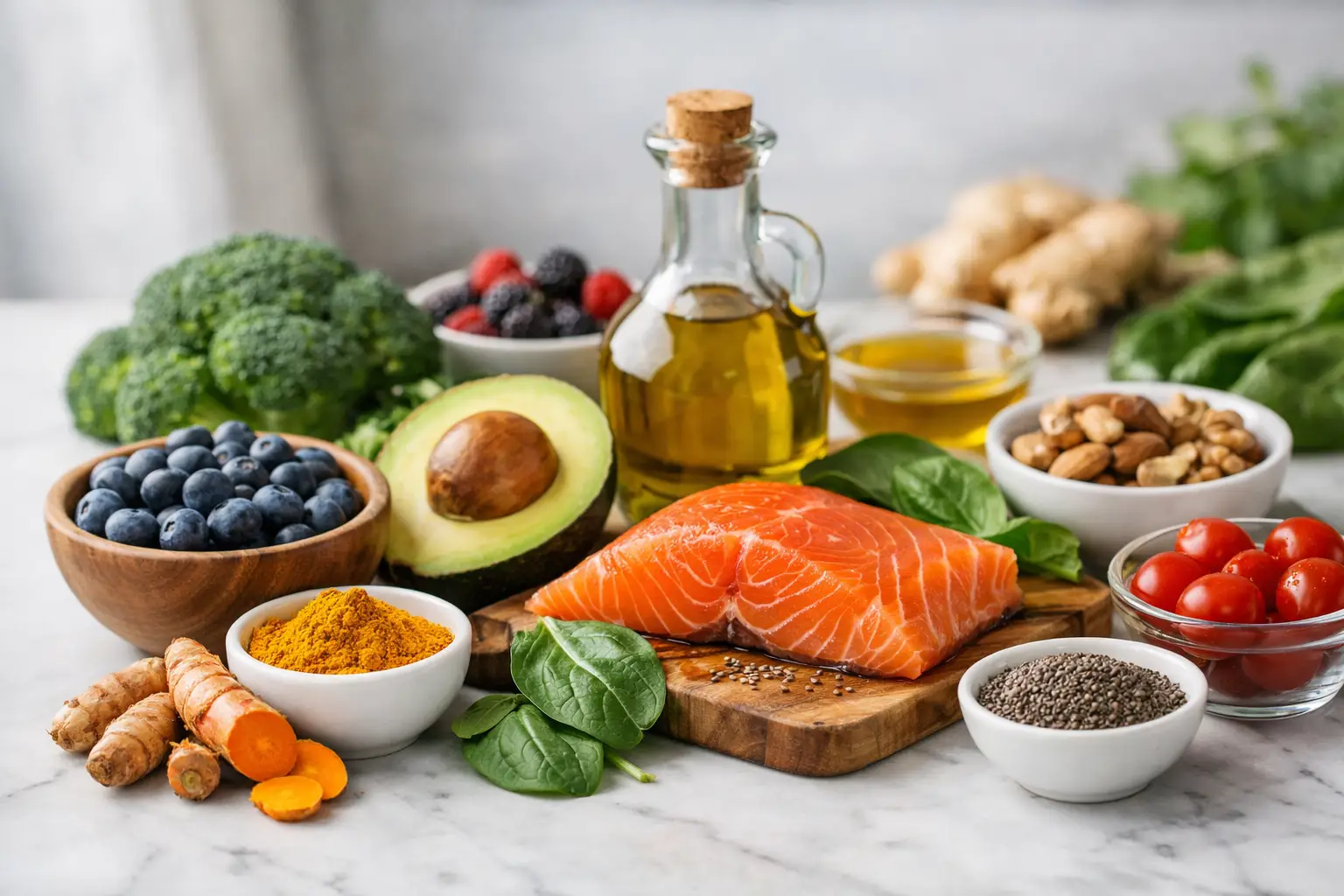
A stiff back in the morning, swollen joints after a long day, skin flare-ups that seem to come out of nowhere, or that drained feeling that lingers even after sleep – many people start asking the same question: could inflammation be part of the problem? This guide to anti inflammatory foods is built for that moment, when you want clear answers and practical food ideas without having to decode medical jargon.
Inflammation is not always a bad thing. Your body uses it as a defense system when you get hurt or fight off infection. The trouble starts when inflammation sticks around longer than it should. Ongoing low-grade inflammation has been linked with issues like heart disease, type 2 diabetes, arthritis, digestive problems, and obesity. Food will not fix every cause, but what you eat can either calm that internal fire or keep feeding it.
What anti-inflammatory foods actually do
Anti-inflammatory foods do not act like a magic pill. They work more quietly. Over time, they may help reduce stress on the body by providing fiber, antioxidants, healthy fats, vitamins, minerals, and plant compounds that support normal immune function.
That matters because many modern diets lean heavily on ultra-processed foods, added sugars, refined grains, and unhealthy fats. Those patterns can make it harder for the body to regulate inflammation well. On the other hand, a food pattern built around plants, seafood, herbs, spices, and minimally processed staples tends to support better balance.
The key word here is pattern. One blueberry smoothie will not erase a week of fast food. But small daily choices can add up.
Guide to anti inflammatory foods: what to put on your plate
If you feel overwhelmed by long food lists online, start here. The best anti-inflammatory diet is usually not exotic or expensive. It is often built from familiar foods used more consistently.
Fatty fish
Salmon, sardines, trout, mackerel, and herring are rich in omega-3 fats. These fats are well known for helping support a healthier inflammatory response. If you eat fish, aiming for a couple of servings a week is a reasonable place to start.
If you do not eat seafood, you can still get some omega-3s from chia seeds, flaxseeds, walnuts, and hemp seeds. The trade-off is that plant sources do not provide the exact same forms found in fish, so they may not have identical effects.
Colorful fruits
Berries get most of the attention, and for good reason. Blueberries, strawberries, blackberries, and raspberries contain polyphenols and vitamin C. Cherries, oranges, grapes, and pomegranate can also fit well into an anti-inflammatory eating pattern.
Whole fruit is usually a better everyday choice than juice because it gives you fiber and tends to be more filling. If blood sugar is a concern, pairing fruit with protein or healthy fat can help.
Leafy greens and cruciferous vegetables
Spinach, kale, arugula, collard greens, broccoli, cauliflower, Brussels sprouts, and cabbage bring fiber and protective plant compounds to the table. These vegetables support gut health too, and that matters because the gut plays a big role in immune and inflammatory activity.
You do not need to force down huge salads if you hate them. Roasted broccoli, sautéed greens, vegetable soups, and stir-fries count.
Beans, lentils, and other fiber-rich staples
Fiber is one of the quiet heroes of an anti-inflammatory diet. Beans, lentils, peas, oats, barley, and many vegetables help feed beneficial gut bacteria, and that can support better inflammatory control.
For some people, especially those with IBS or a sensitive stomach, beans may cause bloating. That does not mean they are bad. It may mean portions, preparation, or the type of bean needs adjusting.
Nuts, seeds, and olive oil
Walnuts, almonds, pistachios, chia seeds, flaxseeds, pumpkin seeds, and extra virgin olive oil are staples in eating patterns often linked with lower inflammation. Olive oil is especially useful because it can replace less healthy fats in cooking and dressings.
Portion size still matters. Nuts and oils are nutritious, but they are calorie-dense. A helpful approach is to use them regularly, not mindlessly.
Herbs, spices, and tea
Turmeric, ginger, garlic, cinnamon, rosemary, oregano, and green tea all contain natural compounds studied for anti-inflammatory effects. These are not miracle ingredients, but they can make everyday meals more supportive.
This is one place where Herbafama readers often have the right instinct already – herbs and spices can be a smart part of a wellness routine. Just keep expectations realistic. Adding turmeric to dinner helps most when the rest of your diet is working with it, not against it.
Foods that may keep inflammation going
A guide to anti inflammatory foods is only half useful if it ignores the other side of the equation. Some foods and eating habits are commonly associated with more inflammation, especially when they show up often.
Sugary drinks are a big one. Soda, sweet tea, energy drinks, and many coffee beverages can flood the diet with added sugar quickly. Highly processed snack foods, deep-fried fast food, processed meats, and desserts made with refined flour and sugar may also work against your goals.
This does not mean you need a perfect diet. It means frequency matters. Birthday cake once in a while is different from pastries every morning. Frozen pizza on a chaotic night is different from living on ultra-processed meals every day.
A simple way to build anti-inflammatory meals
Instead of chasing superfoods, think in terms of meal balance. A simple anti-inflammatory plate often includes a source of protein, plenty of plants, a healthy fat, and a smart carbohydrate.
For breakfast, that could mean oatmeal with berries, walnuts, and cinnamon. For lunch, maybe a grain bowl with greens, salmon or chickpeas, olive oil, and roasted vegetables. For dinner, grilled chicken or baked tofu with sweet potatoes, broccoli, and a side salad works well.
If snacks are where things fall apart, keep it simple. Apple slices with almond butter, yogurt with berries, hummus with carrots, or a handful of nuts are easier to stick with than elaborate health recipes.
Does it help with pain, weight, or chronic disease?
Sometimes yes, sometimes only partly. That is the honest answer.
An anti-inflammatory eating pattern may help some people feel less joint discomfort, less bloating, steadier energy, or better overall well-being. It may also support weight management, healthier cholesterol levels, and blood sugar control, especially when it replaces heavily processed food habits.
But results depend on the reason behind your symptoms. If you have rheumatoid arthritis, inflammatory bowel disease, psoriasis, or another diagnosed condition, food can be supportive without being the whole treatment plan. If your pain is caused by an injury or a mechanical issue, diet may help less directly.
That is why broad promises can be misleading. Food matters, but context matters too.
Common mistakes people make
One mistake is buying expensive powders, shots, or supplements before fixing basic meals. Another is focusing on one trendy ingredient while ignoring sleep, stress, alcohol intake, and movement. Chronic inflammation is rarely about a single food.
A different mistake is cutting out too much at once. When people try to quit sugar, gluten, dairy, seed oils, processed food, and caffeine all in the same week, they usually burn out. A steadier approach works better. Start by adding more vegetables, swapping in olive oil, eating beans or fish more often, and cutting back on sugary drinks.
Who should be careful
Even healthy foods are not one-size-fits-all. If you take blood thinners, have kidney disease, severe digestive issues, food allergies, or a condition that requires a medically specific diet, it is smart to talk with your doctor or a registered dietitian before making major changes.
Herbal products and concentrated supplements also deserve caution. Food-first changes are usually the safer place to begin.
The best anti-inflammatory diet is the one you can live with
If there is one thing to remember from this guide to anti inflammatory foods, it is this: your daily pattern matters more than your perfect day. You do not need a fridge full of rare berries or a pantry stacked with trendy powders. You need more real food, more color, more fiber, and more consistency.
Try one upgrade this week that feels easy enough to repeat. Swap soda for sparkling water. Add berries to breakfast. Roast a tray of vegetables. Use olive oil instead of a heavier processed spread. Those small choices may look ordinary, but over time, ordinary habits are often what make the biggest difference.
Give your body a little more of what helps and a little less of what stirs the pot. That is where real progress usually starts.

