
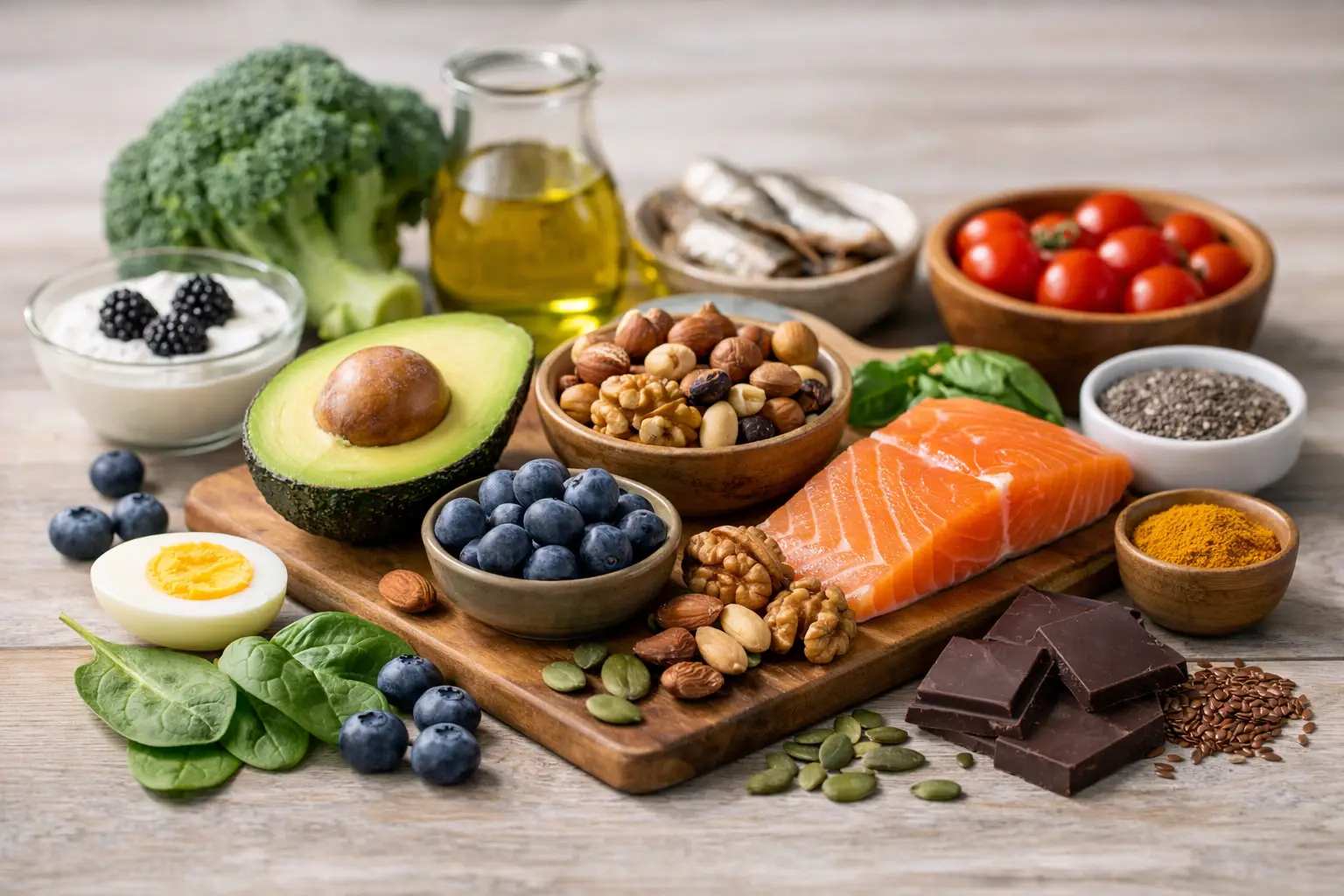
Forget expensive “brain boosters” for a minute. Some of the best foods for brain health are already sitting in ordinary grocery carts – salmon, berries, leafy greens, nuts, beans, and even a square of dark chocolate.
That matters because your brain is working all day, whether you are managing a job, remembering medications for a parent, studying, or just trying to stay sharp as you get older. While no single food can prevent memory loss on its own, your daily eating pattern can support focus, mood, and long-term brain function in a very real way. The biggest wins usually come from simple foods you can eat consistently, not trendy fixes.
Why the best foods for brain health matter
Your brain uses a huge amount of energy, and it depends on a steady supply of nutrients to build cells, protect nerves, and manage inflammation. Food affects blood flow to the brain, blood sugar stability, and oxidative stress, all of which can influence how clear-headed or sluggish you feel.
There is also a long game here. Diets rich in plant foods, healthy fats, and minimally processed ingredients are linked with better cognitive aging. That does not mean you need a perfect menu. It means the foods you repeat most often may matter more than occasional “healthy” choices.
12 best foods for brain health
1. Fatty fish
Salmon, sardines, trout, and mackerel are rich in omega-3 fats, especially DHA, a fat that is a major structural part of the brain. These fats help support communication between brain cells and may play a role in memory and mood.
If you do not eat fish often, this is one of the first places to improve. Canned sardines and salmon can be affordable, convenient options. Fried fish is less helpful than baked, grilled, or canned varieties packed in water or olive oil.
2. Blueberries and other berries
Berries are packed with plant compounds called flavonoids, which have been studied for their role in brain aging and memory support. Blueberries get most of the attention, but strawberries, blackberries, and raspberries bring similar benefits.
Fresh or frozen both work. If cost is an issue, frozen berries are often the smarter buy and last much longer.
3. Leafy greens
Spinach, kale, collards, arugula, and romaine are rich in folate, vitamin K, and antioxidants. These nutrients help support healthy blood vessels and may help protect brain cells over time.
This is one of those areas where small habits count. A handful of spinach in eggs or a sandwich is better than waiting for the perfect salad you never make.
4. Walnuts
Among nuts, walnuts stand out for brain health because they provide plant omega-3s along with polyphenols and vitamin E. They are easy to add to oatmeal, yogurt, or salads, and they travel well as a snack.
They are calorie-dense, so portion size still matters if weight management is a concern. A small handful is usually enough.
5. Eggs
Eggs provide choline, a nutrient your body uses to make acetylcholine, a chemical messenger involved in memory and learning. They also contain B vitamins that support overall brain and nerve function.
For many people, eggs are one of the easiest protein-rich breakfast options. If you have been relying on sugary cereal or pastries in the morning, switching to eggs can also help prevent the blood sugar swings that wreck concentration.
6. Beans and lentils
Your brain likes steady energy, and beans help with that. Black beans, chickpeas, kidney beans, and lentils provide fiber and slow-digesting carbohydrates, which can support more stable blood sugar through the day.
That matters more than people realize. A brain-friendly diet is not only about special nutrients. It is also about avoiding the mental crash that often follows highly processed meals.
7. Extra virgin olive oil
Olive oil is a cornerstone of eating patterns linked with better heart and brain health. It provides monounsaturated fat and antioxidants that may help reduce inflammation.
Use it for salad dressings, roasted vegetables, and drizzling over beans or cooked greens. Just be careful with high heat for long periods, and remember that more is not always better. It is healthy, but it is still a fat with calories.
8. Avocados
Avocados provide healthy fats, fiber, and potassium. They support heart health, which is tightly connected to brain health because the brain depends on healthy circulation.
If you like practical food swaps, avocado can replace some less helpful spreads. That said, portion size matters here too. Half an avocado can go a long way.
9. Pumpkin seeds
These little seeds bring magnesium, zinc, iron, and antioxidants. Each of those nutrients plays a role in nerve signaling, oxygen delivery, or normal brain function.
Pumpkin seeds are especially useful for people who want a simple shelf-stable option. Sprinkle them on soups, salads, or oatmeal, or eat a small handful on their own.
10. Whole grains
Oats, brown rice, quinoa, and whole grain bread can help provide a more even energy supply than refined grains. Better blood sugar control often means better focus and fewer afternoon crashes.
This is a good example of where brain health advice gets oversimplified. Carbs are not the enemy. Highly refined carbs eaten in large amounts can be a problem, but fiber-rich whole grains can be part of a smart brain-supporting diet.
11. Dark chocolate
Yes, chocolate makes the list – with a catch. Dark chocolate contains flavonoids that may support blood flow and brain function, but the benefit depends on the type and amount.
A small portion of dark chocolate with a higher cocoa content is very different from oversized candy bars loaded with sugar. Think of it as a modest add-on, not a health food you should overdo.
12. Green tea
Green tea offers caffeine plus L-theanine, a combination some people find helpful for calm focus. It also contains antioxidants that may help protect cells from damage.
If coffee makes you jittery, green tea can be a gentler option. It is not magic, but for some people it supports alertness without the harsh crash.
How to build meals with the best foods for brain health
You do not need to cram all 12 foods into one day. A better approach is to build repeatable meals that combine a few of them. Breakfast could be eggs with spinach and a side of berries. Lunch might be a bean bowl with leafy greens, olive oil, and pumpkin seeds. Dinner could be salmon with roasted vegetables and brown rice.
Snacks count too. Walnuts, fruit, plain yogurt with blueberries, or a small piece of dark chocolate can fit into a brain-friendly eating pattern without making life complicated.
The bigger idea is balance. Pair protein, fiber, and healthy fat when you can. That combination often helps energy, satiety, and concentration more than a meal built mostly from sugar or refined starch.
What to eat less often
Talking about brain foods without mentioning brain-draining habits leaves out half the picture. Diets high in ultra-processed snacks, sugary drinks, and repeated fast-food meals may contribute to inflammation, poor blood sugar control, and vascular problems that can affect brain health over time.
This does not mean you can never have dessert or takeout. It means the overall pattern matters. If most of your meals come from packaged convenience foods, adding blueberries on top will not fully cancel that out.
A few realistic cautions
Food can support brain health, but it is not a cure for Alzheimer’s disease, depression, ADHD, or serious memory problems. If you or someone you care about has noticeable confusion, personality changes, frequent forgetfulness, or trouble managing daily tasks, it is worth getting medical advice.
It also depends on the person. Someone with diabetes may need to be more careful about fruit portions and total carbohydrate intake. Someone on a blood thinner may need guidance before dramatically increasing certain leafy greens. Fish is helpful, but not everyone likes it or can afford it regularly. In those cases, a varied diet with plant foods, healthy fats, and stable meals still goes a long way.
Sleep, physical activity, stress, blood pressure, and social connection all matter too. Herbafama often covers health from this wider lifestyle angle because brain health is rarely about one food or one habit.
The smartest way to start
Pick two or three foods from this list that feel easy, affordable, and realistic for your week. Maybe that means oatmeal with walnuts, frozen berries in smoothies, or swapping one processed dinner for salmon and vegetables. Small changes repeated often tend to beat ambitious plans that disappear after three days.
Your brain does not need a perfect diet. It needs steady support, day after day, from meals that nourish the rest of your body too. That is usually where real progress starts.

