
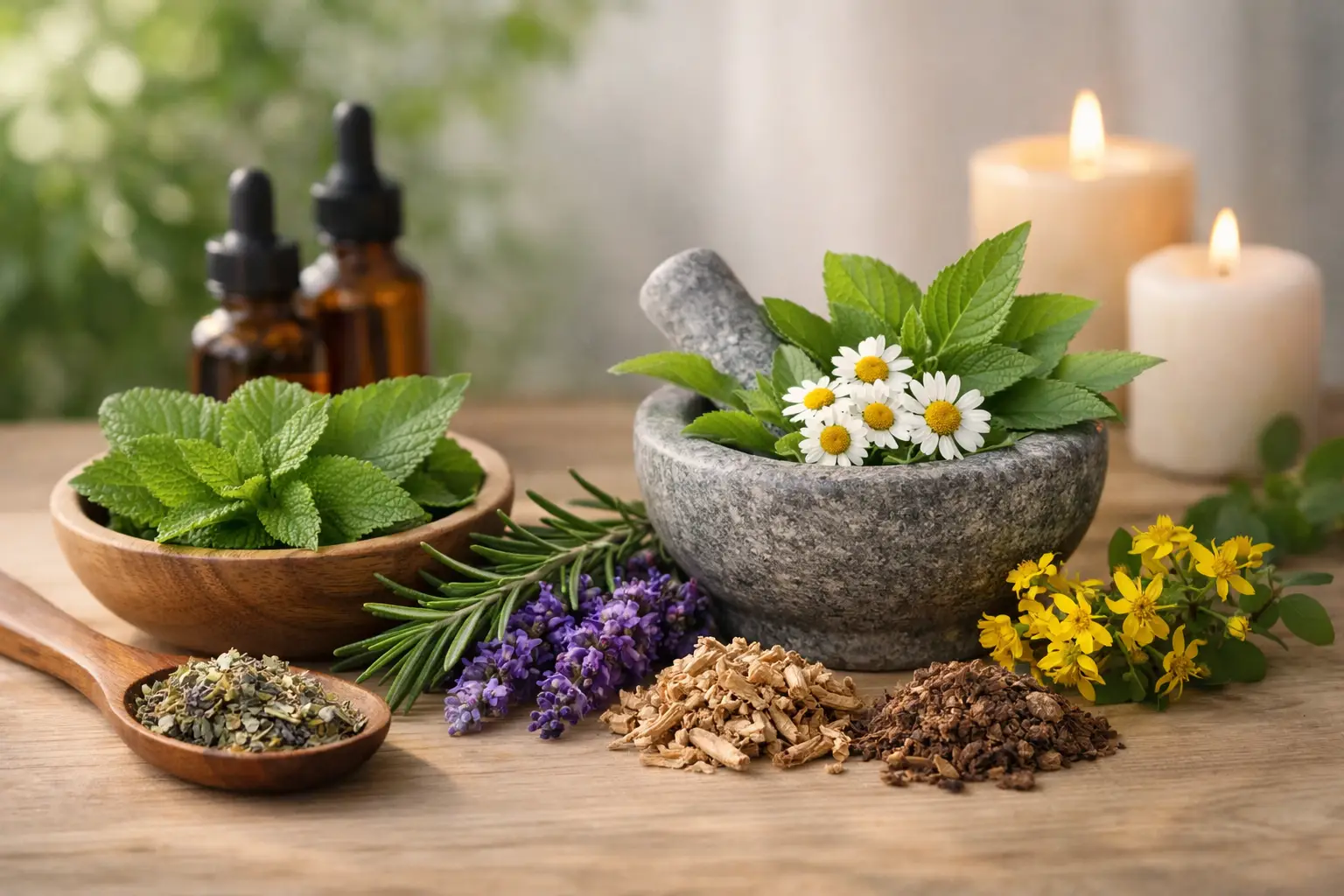
Stress has a way of showing up everywhere – in your sleep, your mood, your digestion, and even your patience. If you have been searching for the best herbs for stress relief, the good news is that a few well-known options have been studied for their calming effects and may help support a steadier, less frazzled day.
Herbs are not magic fixes, and they do not erase the cause of stress. But some can gently support the nervous system, improve sleep quality, or take the edge off tension when used thoughtfully. The best choice depends on what your stress looks like. Some people feel wired and anxious. Others feel mentally exhausted, irritable, or unable to sleep.
Best herbs for stress relief and what they do
Ashwagandha is one of the most talked-about herbs for stress support, and for good reason. It is considered an adaptogen, which means it may help the body respond more steadily to ongoing stress. People often choose it when they feel run down, overwhelmed, or stuck in a cycle of stress-related fatigue. It may be more helpful for chronic stress than for sudden moments of panic.
Rhodiola is another adaptogen, but it tends to feel a little different. While ashwagandha is often described as grounding, rhodiola is more commonly used when stress comes with mental burnout, low energy, and poor focus. For some people, it can feel too stimulating, especially later in the day, so timing matters.
Chamomile is a classic choice that still holds up. It is gentle, familiar, and often used as a tea for mild nervous tension. Chamomile may be especially appealing if your stress shows up in the evening or comes with digestive discomfort. It is not usually the strongest option for severe stress, but it can be a good place to start.
Lemon balm is another easy entry point. It is often used for restlessness, irritability, and trouble winding down. Some people find it helps them feel calmer without feeling overly sleepy. That makes it useful during the day in lower amounts or at night when paired with a relaxing routine.
Passionflower is worth considering when stress and racing thoughts go together. It is commonly used for nervous agitation and occasional sleep trouble. Compared with chamomile, it may feel a bit more targeted for people whose minds will not slow down at bedtime.
Lavender is best known for its scent, but it is not just about aromatherapy. Lavender tea, capsules, and essential oil are all used for relaxation. Inhaling lavender may help take the edge off momentary stress, while oral forms are sometimes used more consistently for ongoing nervousness.
Holy basil, also called tulsi, is another herb often used for stress support. It sits somewhere between calming and balancing. People who feel tense, mentally overloaded, or emotionally drained may find it helpful, especially as part of a daily wellness routine rather than a one-time fix.
Which herb may fit your stress style
If your main problem is constant pressure and burnout, ashwagandha or rhodiola may be the better match. If stress mainly affects your evenings, sleep, or ability to relax, chamomile, lemon balm, passionflower, or lavender may make more sense.
That said, there is no universal winner. The best herb is often the one you can tolerate well, use consistently, and match to your symptoms. A strong herb that makes you groggy or jittery is not better than a gentler one that actually fits your routine.
Tea, capsules, or tinctures?
The form matters more than many people realize. Tea can be comforting and works well for herbs like chamomile, lemon balm, tulsi, and lavender. It also creates a built-in pause in your day, which can be part of the benefit.
Capsules are more convenient and may offer more standardized amounts, especially for ashwagandha and rhodiola. Tinctures can be useful if you want flexible dosing, but the taste is not for everyone. If stress regularly disrupts your day, a form you will actually take is the smartest choice.
Safety matters with stress herbs
Natural does not always mean risk-free. Some herbs can interact with medications, including sedatives, antidepressants, blood pressure drugs, and thyroid medications. Others may not be a good fit during pregnancy, breastfeeding, or certain medical conditions.
Chamomile may be an issue for people with ragweed allergies. Rhodiola can feel activating for some. Ashwagandha may not be appropriate for everyone with thyroid concerns or autoimmune conditions. If you take prescription medication or manage a chronic illness, it is smart to check with a healthcare professional before adding a new herb.
What helps herbs work better
Even the best herbs for stress relief tend to work better when the basics are not being ignored. Poor sleep, too much caffeine, constant screen time, and skipped meals can all keep your body in stress mode. Herbs can support you, but they usually work best alongside simple habits like regular meals, movement, sunlight, and a bedtime routine that actually lets your brain slow down.
If you are new to herbal stress support, start with one herb, use it consistently, and pay attention to how you feel. Small changes are easier to notice that way, and you are less likely to waste money on products that do not suit you. Sometimes the most helpful approach is not the strongest herb on the shelf – it is the one that helps you feel a little more like yourself again.

