
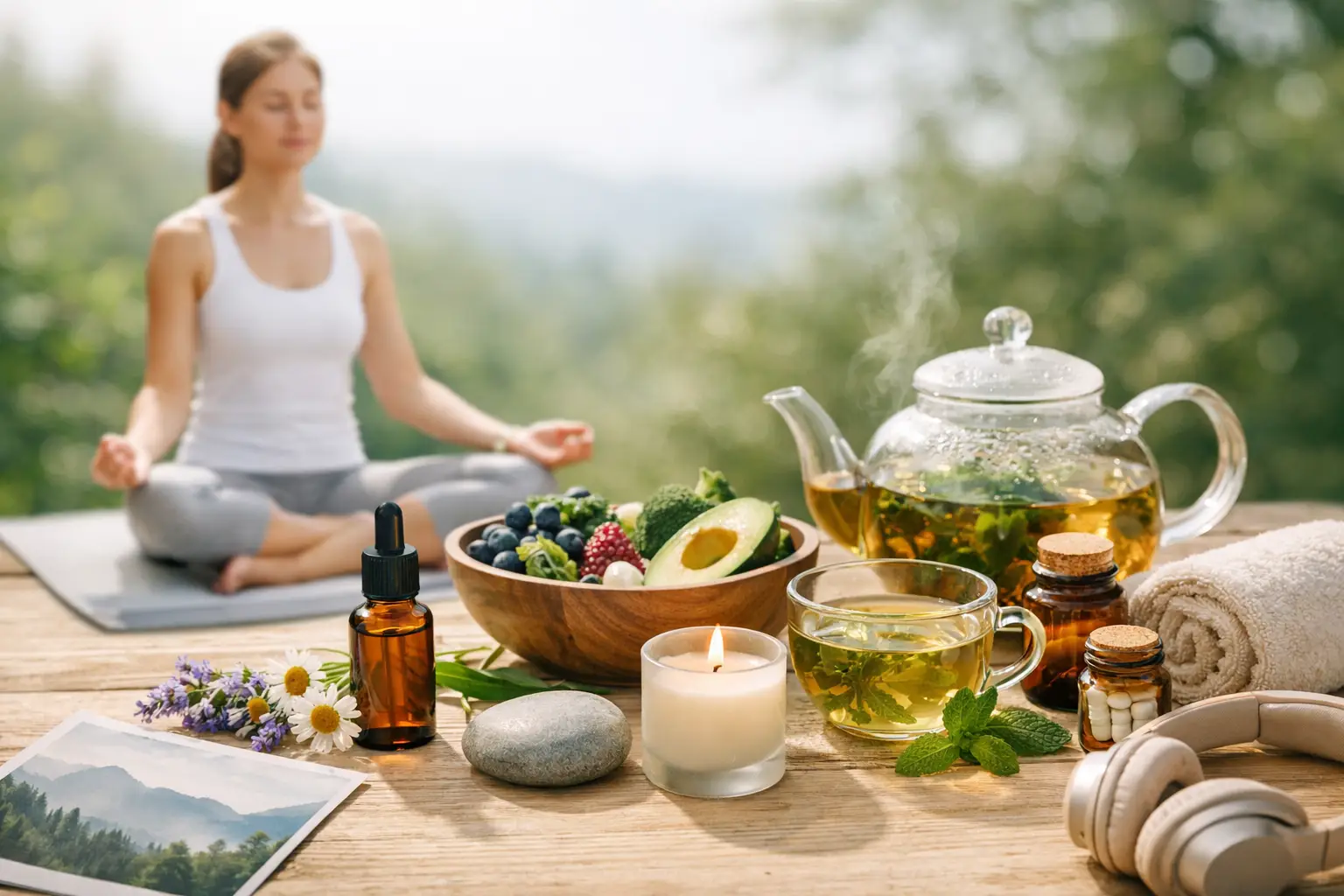
Anxiety can show up fast – a racing heart, tight chest, restless thoughts, and that nagging feeling that something is off even when nothing obvious is wrong. The good news is that many Natural Ways to Reduce Anxiety can fit into everyday life without expensive tools or complicated routines. While severe or ongoing anxiety may need professional care, small daily habits can make a real difference for many people.
Why natural ways to reduce anxiety can help
Anxiety affects both the mind and the body. That is why natural approaches often work best when they support your whole system instead of targeting one symptom. Things like sleep, caffeine, breathing, movement, and nutrition can all influence stress hormones, energy levels, and how reactive your nervous system feels.
Natural strategies are not instant cures. They tend to work through consistency, not one perfect day. If your anxiety is tied to panic attacks, trauma, depression, or major life disruption, these tips can still help, but they should not replace medical or mental health support.
Start with your breath and your body
When anxiety spikes, your body usually reacts before your thoughts catch up. That is why slow breathing can be one of the quickest ways to calm down. Try breathing in through your nose for four counts, then out for six. A longer exhale tells your body it is safe enough to ease out of fight-or-flight mode.
It also helps to release physical tension on purpose. Unclench your jaw, drop your shoulders, and place both feet on the floor. These small body signals may sound basic, but they can interrupt the spiral that keeps anxiety going.
Move more, even if it is not a workout
Exercise is one of the most reliable natural tools for stress relief, but it does not have to mean a hard gym session. A brisk walk, light stretching, gardening, or even cleaning the house can help burn off nervous energy and improve mood.
If anxiety makes you feel tired, gentle movement is often more realistic than intense exercise. The goal is not to perform. It is to help your body process stress instead of holding it all day.
Watch caffeine, alcohol, and sugar swings
A lot of people do not realize their daily habits may be making anxiety worse. Caffeine can trigger jitteriness, a rapid heartbeat, and trouble sleeping, especially if you are sensitive to it or drinking it on an empty stomach. Cutting back slowly may help more than quitting all at once.
Alcohol can seem calming at first, but it often disrupts sleep and can leave you feeling more anxious later. Big swings in blood sugar can also affect mood and energy. Eating regular meals with protein, fiber, and healthy fats may help you feel steadier throughout the day.
Use calming herbs with care
Herbal support is popular for a reason. Some people find chamomile, lemon balm, lavender, passionflower, or valerian root helpful for relaxation and sleep. Tea can be a simple place to start, especially in the evening when anxiety tends to build.
That said, natural does not always mean risk-free. Herbs can interact with medications, and some are not a good fit during pregnancy or with certain health conditions. If you take prescriptions or have ongoing medical issues, check with a qualified healthcare professional before using herbal supplements regularly.
Protect your sleep like it matters
Poor sleep and anxiety feed each other. A rough night can make you more reactive the next day, and anxiety can make it harder to fall asleep in the first place. Breaking that cycle often starts with basic sleep habits.
Try keeping a regular bedtime, dimming lights at night, and avoiding heavy meals or endless scrolling right before bed. If your mind gets busy at night, write down tomorrow’s tasks before you lie down. Getting worries out of your head and onto paper can make bedtime feel less crowded.
Reduce mental overload
Sometimes anxiety is not only about fear. It is about too much input, too many decisions, and never feeling off. Constant notifications, bad news, and packed schedules can keep your nervous system on edge.
Give yourself a little less noise. That might mean checking the news once a day instead of all day, taking short breaks from social media, or saying no to one extra commitment this week. Simple boundaries can protect your peace more than people expect.
Try grounding when your mind starts spiraling
Grounding helps bring attention back to the present moment. One easy method is the 5-4-3-2-1 technique: notice five things you see, four you feel, three you hear, two you smell, and one you taste. It is simple, but it can help interrupt runaway thoughts.
You can also use sensory cues like holding a cold glass of water, stepping outside for fresh air, or listening to a familiar calming sound. These are not magic fixes, but they can create enough space to regain control.
Talk to someone sooner, not later
Natural Ways to Reduce Anxiety work best when they are part of a bigger support system. If anxiety is affecting your sleep, relationships, work, appetite, or daily functioning, talking to a doctor or licensed therapist is a smart step, not a last resort.
You do not have to wait until things feel unbearable. Many people benefit from a combination of lifestyle changes, therapy, and medical guidance. The most helpful plan is the one you can actually stick with, and sometimes the first win is simply noticing what makes you feel calmer and doing more of that.

