
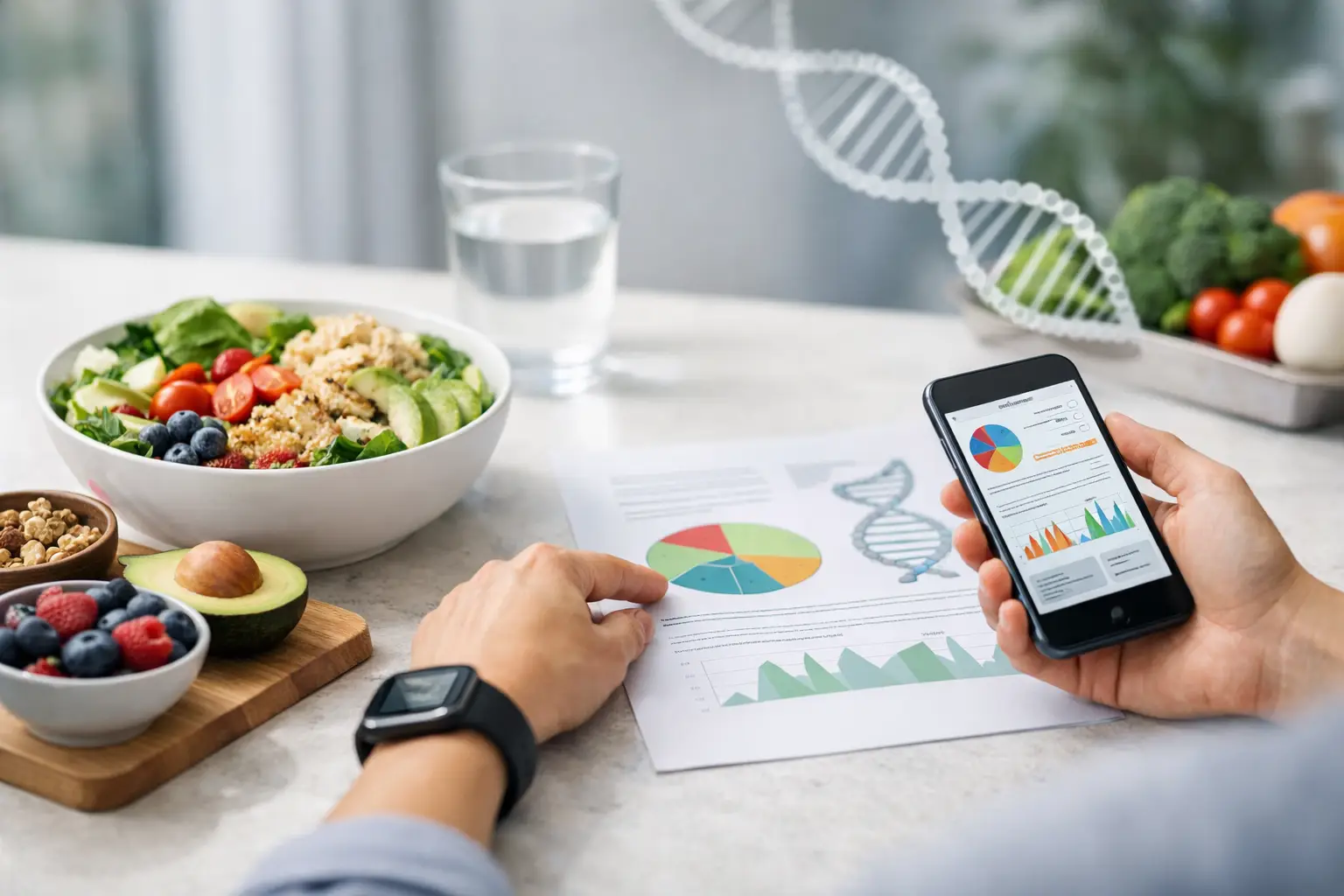
Diet advice can feel like whiplash. One week carbs are the problem, the next week it is seed oils, sugar, or meal timing. That confusion is exactly why personalized nutrition has become such a big deal. Instead of following a one-size-fits-all plan, this approach looks at your body, your lifestyle, and your health goals to shape eating advice that fits real life.
At its core, personalized nutrition means adjusting food choices based on factors like age, activity level, medical history, blood sugar response, digestive issues, allergies, weight goals, and sometimes even genetics. The idea is simple: two people can eat the same meal and have very different results. One may feel energized, while the other feels bloated, tired, or hungry again an hour later.
What personalized nutrition actually looks like
For most people, this is not a futuristic lab-based diet. It often starts with basic information that already matters a lot: your sleep, stress, exercise habits, medications, digestion, and current eating pattern. If someone has prediabetes, high cholesterol, or high blood pressure, their nutrition plan should look different from that of a healthy marathon runner or a person trying to manage menopause symptoms.
Sometimes the plan also includes data from blood work, food logs, wearable devices, or glucose monitoring. In more advanced cases, it may include genetic testing or gut microbiome analysis. These tools can be interesting, but they are not always necessary to make useful changes.
That is an important point, because personalized nutrition is often marketed as high-tech when the biggest wins usually come from low-tech habits. Eating enough fiber, balancing meals with protein, reducing ultra-processed foods, staying hydrated, and choosing foods you can actually stick with still matter more than any trendy test.
Who can benefit from personalized nutrition?
This approach can be especially helpful for people who feel like standard diet advice has failed them. If you have tried popular meal plans and never felt better, there may be a reason. Your body, schedule, health conditions, and food preferences may not match what that plan expects.
Personalized nutrition may be useful for people managing weight, blood sugar swings, digestive discomfort, food sensitivities, high cholesterol, PCOS, or chronic inflammation. It can also help caregivers or adults trying to support healthy aging, since nutritional needs often change over time.
It is also useful for people who want a more natural, preventive approach to wellness. For example, someone with ongoing stress may benefit from a different eating pattern than someone focused mainly on muscle gain. In that sense, food becomes part of a bigger lifestyle picture, not just a calorie target.
Where the science is strong and where it gets shaky
Some parts of personalized nutrition are backed by common sense and solid evidence. Matching nutrition advice to a person’s medical conditions, lab results, allergies, and habits is absolutely reasonable. If a person has iron deficiency, high A1C, or kidney disease, their food plan should be adjusted.
Where things get less clear is with newer testing trends. Genetic tests may suggest how you process caffeine or certain nutrients, but they do not magically produce the perfect diet. Gut microbiome tests are another area of interest, but the science is still evolving. Your gut bacteria matter, but test results do not always translate into clear, reliable food advice.
That does not mean these tools are useless. It means they should be viewed with caution. Fancy reports can make nutrition feel precise, even when the advice is still fairly general.
How to try a personalized approach without overcomplicating it
You do not need to spend hundreds of dollars to make your diet more personal. Start by noticing patterns. Which meals keep you full? Which foods upset your stomach? When do cravings hit hardest? How does your energy change after breakfast, lunch, or late-night snacks?
A simple food and symptom journal can reveal a lot. So can checking in with basic health markers like blood pressure, cholesterol, blood sugar, or body weight over time. If you have ongoing symptoms or a chronic condition, working with a doctor or registered dietitian can help you avoid guesswork.
It also helps to build meals around your actual life. If you work long shifts, skip breakfast, or care for family members, your plan needs to fit that reality. The best nutrition strategy is not the most impressive one. It is the one you can follow consistently.
Personalized nutrition and natural wellness
For readers interested in herbs and natural health support, personalized nutrition can fit nicely with that mindset. Some people may benefit from anti-inflammatory foods, more magnesium-rich choices, or more omega-3 fats depending on their needs. Others may pair healthy eating habits with herbal teas, stress support routines, or digestive-friendly meal choices.
Still, natural does not always mean right for everyone. Herbal products and supplements can interact with medications or affect certain health conditions. A personalized plan should consider the whole picture, not just what is trending online.
Personalized nutrition is not about chasing a perfect diet. It is about paying attention to what your body is telling you and using that information to make smarter, more sustainable food choices. For many people, that feels less restrictive and a lot more realistic.

