
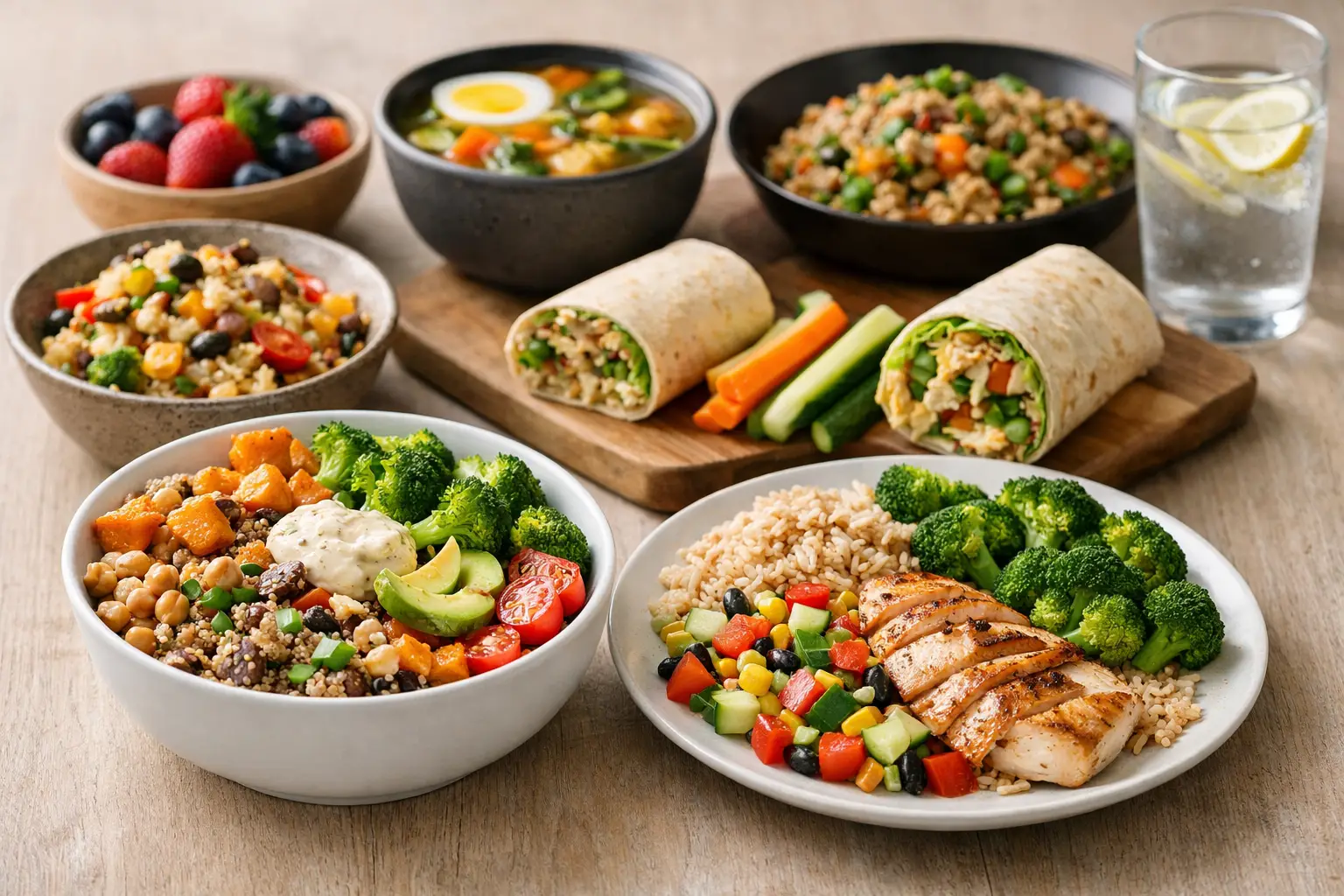
If your grocery bill keeps climbing, healthy eating can start to feel like a luxury. The good news is that affordable healthy meals are still possible – and they do not have to be bland, tiny, or built around expensive “superfoods.” In most cases, the biggest money savers are simple staples, smart planning, and knowing which foods give you the most nutrition for the price.
A lot of people assume healthy meals require fresh salmon, protein powders, specialty snacks, and produce that goes bad in three days. That is one version of healthy eating, but it is not the only one. Beans, oats, eggs, brown rice, frozen vegetables, potatoes, yogurt, canned tuna, and lentils are all budget-friendly foods that can support weight management, steady energy, heart health, and better blood sugar control.
What makes a meal healthy and affordable?
A healthy budget meal usually has three things: a source of protein, a source of fiber, and enough volume to keep you satisfied. That matters because cheap meals are not always filling, and healthy meals are not always affordable. The sweet spot is finding foods that do both.
For example, a bowl of instant noodles may be cheap, but it is often low in protein and fiber, so hunger comes back fast. On the other hand, a rice bowl with black beans, sautéed frozen vegetables, and a spoonful of salsa costs little and gives you a better mix of nutrients. You get complex carbs, plant protein, fiber, and more staying power.
This is also where whole foods usually win. Processed convenience foods can seem inexpensive upfront, but the cost per meal is often higher than cooking a few basics at home. That does not mean every meal has to be made from scratch. It means choosing convenience where it helps, like canned beans or frozen broccoli, instead of paying more for heavily packaged meals.
Affordable healthy meals start with low-cost staples
The easiest way to spend less is to build meals around ingredients with a low cost per serving. Dry beans and lentils are some of the best examples. They are rich in fiber and minerals, and they can help stretch a meal without much expense. If you do not want to cook them from dry, canned versions still work well – just choose low-sodium when possible or rinse them before eating.
Eggs are another strong option. They cook quickly, pair with vegetables, and work at any time of day. Oatmeal is often overlooked, but it can be a filling breakfast or even a savory base for lunch if you add eggs and greens. Potatoes also deserve more credit. They are affordable, naturally fat-free, rich in potassium, and much more nutritious than many people think.
Frozen fruits and vegetables can be just as useful as fresh produce, sometimes more so. They are picked at peak ripeness, last longer, and reduce waste. If fresh spinach keeps dying in your fridge, frozen spinach may be the more affordable healthy choice.
Easy meal ideas that keep costs down
Some of the best budget meals are simple combinations you can repeat with small changes through the week. A grain bowl is one of the easiest examples. Start with brown rice or quinoa if it fits your budget, add beans or shredded chicken, then include vegetables and a flavorful topping like salsa, olive oil, lemon, or plain Greek yogurt.
Soup is another smart option, especially if you want one pot to last several days. Lentil soup with carrots, onions, garlic, and canned tomatoes is inexpensive, high in fiber, and easy to freeze. Vegetable chili with beans can also work well for families because it is filling without relying on large amounts of meat.
Breakfast-for-dinner is a practical move too. Scrambled eggs with sautéed peppers and onions, whole grain toast, and fruit can be fast, balanced, and much cheaper than takeout. Even a baked potato topped with cottage cheese, steamed broccoli, and black beans can become a satisfying dinner.
How to cut costs without cutting nutrition
One of the biggest budget mistakes is shopping without a plan. Buying random “healthy” foods often leads to wasted money and wasted produce. It helps to choose a few meals first, then buy ingredients that overlap. If you buy onions, carrots, rice, beans, eggs, and frozen vegetables, you can turn those into several different meals instead of one.
Meat can also be used more strategically. You do not always have to remove it completely, but reducing the portion can lower costs fast. A stir-fry with a small amount of chicken plus lots of vegetables is usually more affordable than a meal centered on a large piece of meat.
Store brands are often another easy win. In many cases, the nutrition is very similar to name brands, especially for basics like oats, canned beans, brown rice, and frozen produce. Buying seasonal produce can help too, but if prices are high, frozen is often the better deal.
When “cheap” meals are not the best choice
Not every low-cost option supports health goals. Some ultra-cheap foods are packed with sodium, added sugar, and refined carbs while offering very little protein or fiber. If you are managing high blood pressure, diabetes, or weight concerns, that trade-off matters.
This does not mean you need perfect meals every time. It means aiming for balance more often. If your pantry meal is macaroni and cheese, adding peas and tuna makes it more nourishing. If lunch is ramen, adding an egg and frozen vegetables improves it. Small upgrades can make familiar foods work harder for your health.
Affordable healthy meals are less about chasing trendy ingredients and more about building a few reliable habits. Start with simple staples, repeat meals that work, and give yourself credit for practical choices. Eating well on a budget is not about perfection – it is about making the next meal a little smarter than the last.

