
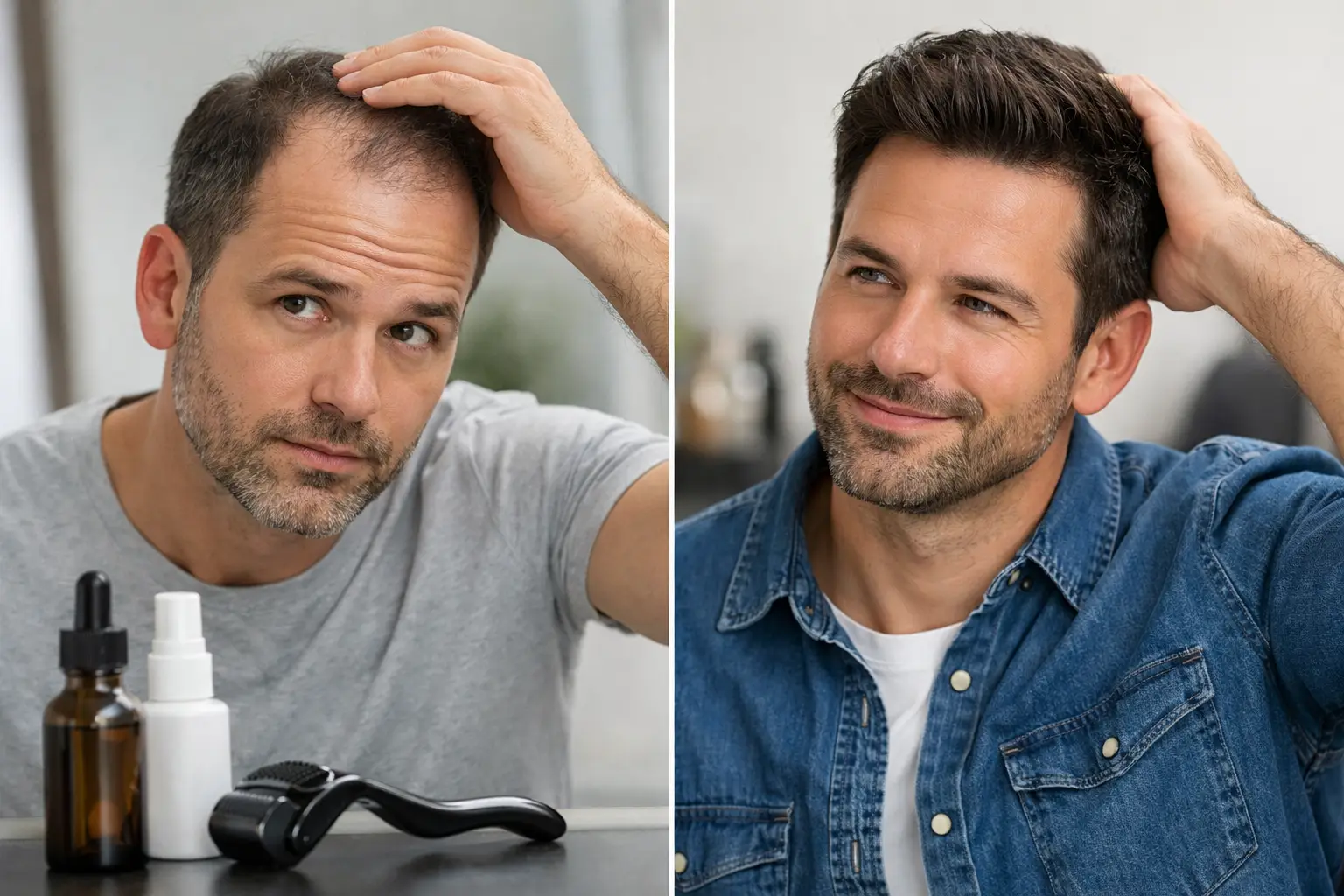
Seeing more hair in the shower drain than usual can feel alarming fast. The good news is that hair loss treatment for men is not one-size-fits-all, and several options can slow shedding, support regrowth, or help you keep the hair you still have.
For most men, hair loss is tied to male pattern baldness, also called androgenetic alopecia. This type usually starts with a receding hairline, thinning at the crown, or both. It tends to happen gradually, often because hair follicles become sensitive to a hormone byproduct called DHT. Genetics plays a major role, but stress, illness, poor nutrition, scalp conditions, and some medications can also make hair thinning worse.
Hair loss treatment for men starts with the cause
Before buying every shampoo or supplement on the shelf, it helps to know why your hair is falling out. Male pattern baldness is common, but it is not the only reason. Sudden shedding after a major illness, rapid weight loss, high stress, or surgery may point to temporary hair loss. Patchy bald spots can suggest alopecia areata. Itching, redness, flaking, or soreness may mean a scalp problem that needs treatment first.
This matters because the best plan depends on the pattern. A treatment that helps hereditary thinning may do little for hair loss caused by low iron, thyroid problems, or an inflamed scalp.
What actually works for male hair loss
The most reliable conventional treatment for many men is minoxidil. This is a topical treatment applied to the scalp, often once or twice a day depending on the product. It can help slow hair loss and, in some cases, improve thickness. It tends to work best when thinning is still mild to moderate. The trade-off is patience. Results usually take several months, and stopping treatment often means losing the gains.
Another well-known option is finasteride, an oral prescription medication. It works by lowering DHT levels, which can slow male pattern hair loss and sometimes help regrowth. For many men, it is more effective than scalp products alone. Still, it is not for everyone. Some men worry about sexual side effects or other reactions, so this is a conversation to have with a healthcare provider rather than a casual self-test.
Hair transplant procedures can also be effective, especially for men with more advanced hair loss who want a longer-lasting cosmetic result. But these procedures are expensive, not instant, and still may require medication afterward to protect surrounding hair.
Natural and supportive options
Many readers want a more natural approach, and that makes sense. Just keep expectations realistic. Herbal or nutritional support may help if your hair loss is linked to stress, inflammation, or dietary gaps, but natural products do not usually outperform proven medical treatments for male pattern baldness.
That said, some supportive strategies are worth considering. A diet with enough protein, iron, zinc, vitamin D, and omega-3 fats supports healthy hair growth. If your eating habits have been off, correcting that can help more than another trendy serum. Some men also explore saw palmetto because of its possible effect on DHT, but the evidence is mixed and weaker than prescription options.
Scalp care matters too. Gentle cleansing, treating dandruff, and avoiding harsh styling habits can reduce breakage and irritation. If you wear tight braids, use heavy heat tools, or constantly pull at thinning hair to style it, that can add to the problem.
Treatments that sound promising but need caution
Biotin gets a lot of attention, but it is not a magic answer unless you are actually deficient. The same goes for expensive collagen powders and many “hair growth” gummies. They may help general nutrition, but they are often oversold.
Low-level laser devices and platelet-rich plasma are popular in some clinics. Some men report benefits, and there is growing interest in both, but results vary and cost can become a major factor. These treatments may help as part of a broader plan, not as guaranteed fixes.
When to see a doctor
If hair loss is sudden, severe, patchy, or paired with fatigue, weight changes, or scalp irritation, it is smart to get checked. The same is true if you are losing eyebrow or beard hair, or if bald spots appear quickly. Those signs can point to something beyond routine male pattern thinning.
A medical visit can help rule out thyroid issues, nutritional deficiencies, autoimmune conditions, fungal infections, or medication-related hair loss. In other words, don’t assume every case is genetic just because it is common.
The best approach for most men
For many men, the most practical hair loss treatment plan is simple: identify the cause, start early, use treatments consistently, and support hair health with better daily habits. If male pattern baldness is the issue, the strongest evidence still points to minoxidil, finasteride, or both. If stress, diet, or scalp health is playing a role, those factors deserve attention too.
The biggest mistake is waiting too long while chasing miracle cures. Hair is usually easier to keep than to regrow, so early action gives you the best chance of seeing a difference.

