
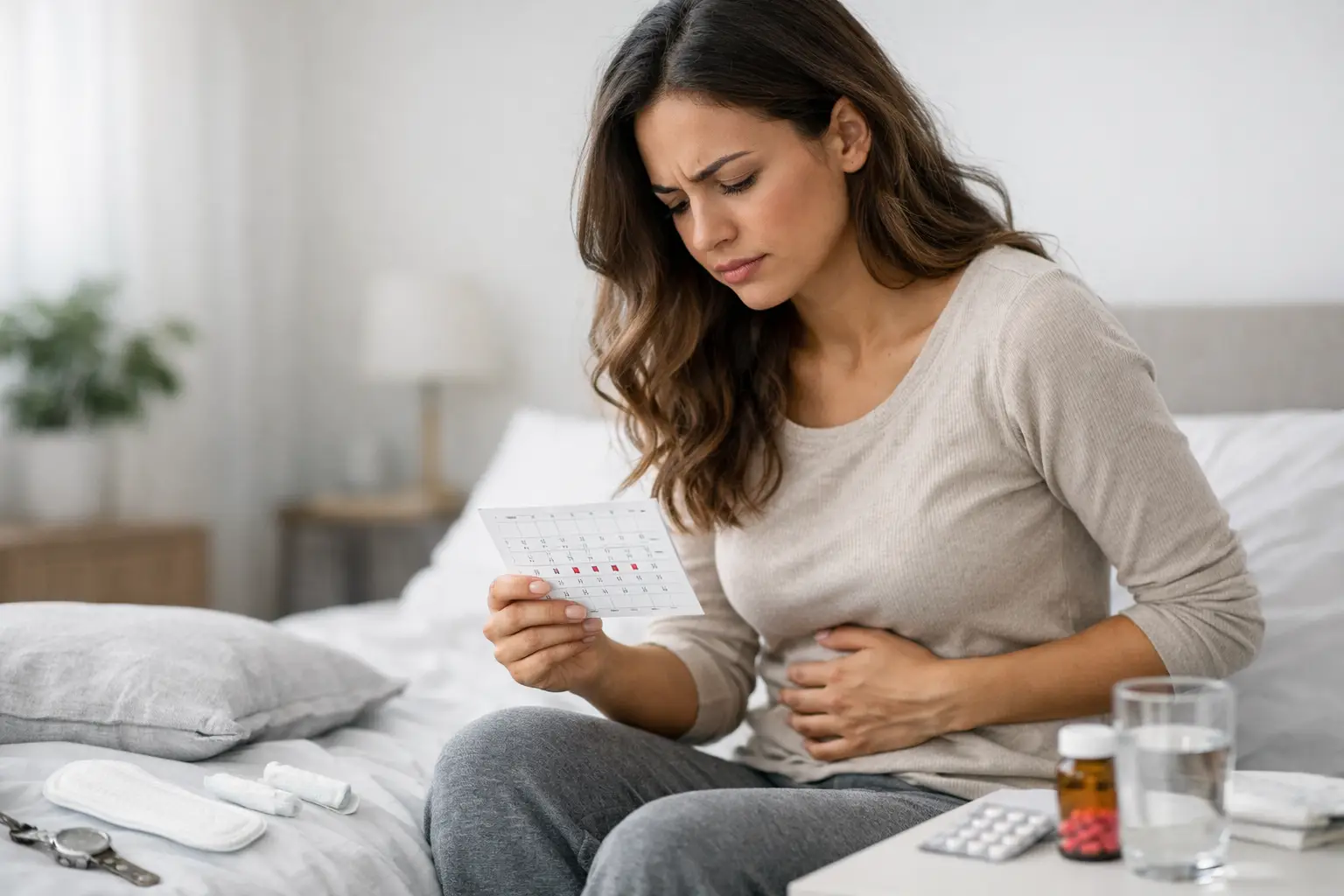
A period that suddenly comes early, shows up late, gets much heavier, or disappears for months can be unsettling. When people search for irregular periods causes, they usually want a clear answer fast: is this a normal fluctuation, or a sign that something bigger is going on?
The truth is that irregular periods are common, especially during puberty, after pregnancy, and in the years leading up to menopause. But they can also point to hormone shifts, medical conditions, or lifestyle habits that deserve attention. A normal cycle is often described as 21 to 35 days, but your personal pattern matters too. If your cycle changes in a noticeable way, it is worth paying attention.
Common irregular periods causes
One of the biggest causes is stress. Emotional stress, poor sleep, travel, illness, or major life changes can affect the brain signals that help regulate ovulation. When ovulation is delayed or skipped, your period may come late, come early, or not come at all.
Weight changes can also disrupt the menstrual cycle. Rapid weight loss, being underweight, restrictive dieting, or excessive exercise can lower estrogen levels and interfere with ovulation. On the other side, weight gain and obesity can also affect hormone balance and make periods less predictable.
Polycystic ovary syndrome, or PCOS, is another common reason for irregular cycles. PCOS can cause infrequent periods, acne, unwanted facial hair, and trouble with ovulation. Some people with PCOS go months without a period, while others have frequent spotting.
Thyroid problems are often overlooked. Both an underactive thyroid and an overactive thyroid can change menstrual timing and flow. If irregular periods come with fatigue, hair thinning, changes in weight, constipation, anxiety, or a racing heart, the thyroid may be part of the picture.
Pregnancy should always be considered if a period is late or missed and pregnancy is possible. Even light bleeding in early pregnancy can sometimes be mistaken for a period. Breastfeeding can also delay the return of normal cycles after childbirth.
Hormones, age, and medications
Age matters more than many people realize. In the first few years after periods begin, cycles are often irregular because ovulation is still getting established. Later in life, perimenopause can bring shorter cycles, longer gaps, heavier bleeding, or skipped periods as hormone levels shift.
Birth control can also change bleeding patterns. Starting, stopping, or switching hormonal contraception may lead to spotting or irregular bleeding for a few months. Some methods, such as hormonal IUDs, implants, or certain pills, can make periods lighter or even stop them.
Other medications may play a role too. Certain antidepressants, antipsychotics, steroids, chemotherapy drugs, and medications that affect hormones can interfere with the cycle. If your period changed after starting a new medication, that detail matters.
When irregular bleeding may signal a health issue
Sometimes irregular periods are tied to conditions beyond everyday stress or hormone swings. Uterine fibroids, polyps, pelvic inflammatory disease, endometriosis, and bleeding disorders can all affect menstrual flow or timing. Diabetes and other chronic health conditions may also contribute.
This is where the details become important. A skipped period every now and then is different from soaking through pads, bleeding between periods, or going several months without any period at all. Irregularity is not just about timing. It can also mean unusual bleeding, spotting after sex, severe pain, or dramatic changes in flow.
Natural support that may help
If the cause is linked to stress, sleep problems, or lifestyle strain, basic wellness habits can help support a more regular cycle. That might include getting enough calories, avoiding extreme dieting, improving sleep, managing stress, and exercising in a balanced way instead of overtraining.
Some readers are also interested in natural support. While herbs and supplements are not a cure for conditions like PCOS or thyroid disease, gentle options such as ginger for discomfort or magnesium for overall wellness may be part of a broader self-care plan. Still, natural does not always mean risk-free. Herbs can interact with medications, and self-treating persistent cycle problems can delay diagnosis.
When to see a doctor
It is smart to get checked if your periods suddenly become very irregular, if you miss three or more periods without a known reason, or if your bleeding is unusually heavy or painful. You should also seek care if irregular periods come with dizziness, pelvic pain, signs of pregnancy, nipple discharge, or symptoms of excess androgen such as new facial hair or severe acne.
A doctor may ask about your cycle history, stress levels, weight changes, medications, and pregnancy risk. Depending on the situation, testing might include blood work, thyroid testing, hormone checks, or a pelvic ultrasound.
Irregular periods are common, but they are still a message from your body. The pattern may point to stress, PCOS, thyroid trouble, pregnancy, perimenopause, or another issue that is easier to manage once you know what you are dealing with.

