
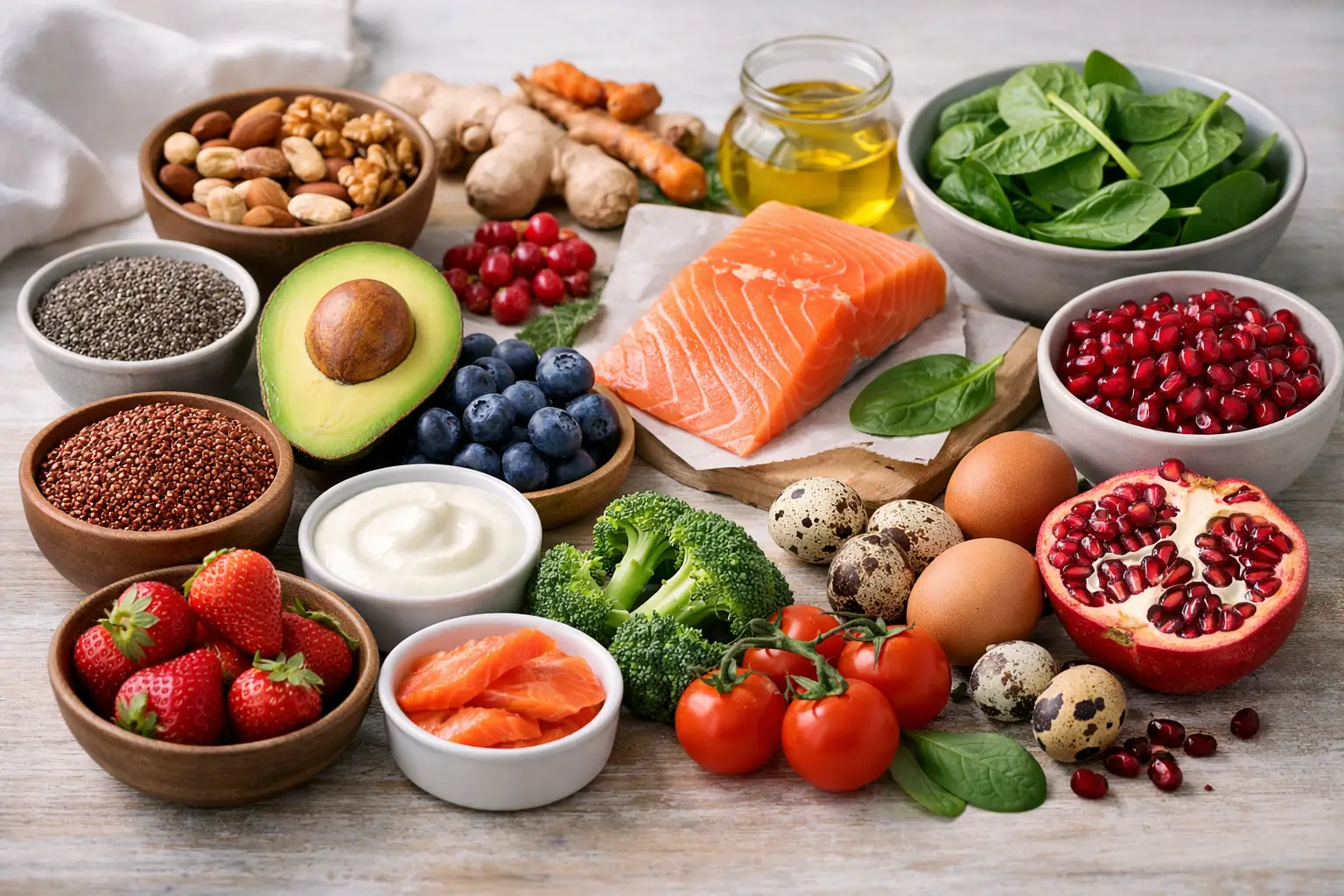
Trying to conceive can make every meal feel like a big decision. The truth is, no single food guarantees pregnancy, but the right eating pattern can support hormone balance, ovulation, egg quality, and sperm health. That is why fertility boosting foods get so much attention – they offer a practical place to start when you want to support your body naturally.
Food matters because fertility is closely tied to overall health. Nutrients help regulate hormones, reduce inflammation, support healthy blood flow, and protect cells from oxidative stress. For women, that can influence ovulation and reproductive health. For men, it can affect sperm count, movement, and shape.
How fertility boosting foods may help
A fertility-friendly diet is not about chasing a miracle ingredient. It is more about eating enough of the nutrients your reproductive system depends on. Folate, iron, omega-3 fats, zinc, selenium, vitamin D, antioxidants, and high-quality protein all play a role.
It also helps to think beyond individual foods. A steady intake of whole foods tends to be more useful than eating one healthy item while the rest of the diet is built around ultra-processed snacks, sugary drinks, and frequent fast food. Consistency matters more than perfection.
10 fertility boosting foods worth adding
1. Leafy greens
Spinach, kale, romaine, and collard greens are rich in folate, iron, and antioxidants. Folate is especially important before and during early pregnancy, but it also matters before conception because it supports healthy cell division.
2. Eggs
Eggs provide protein, choline, vitamin B12, and other nutrients that support reproductive health. The yolk is where much of the nutrition lives, so skipping it means missing some of the benefits.
3. Salmon and other fatty fish
Salmon, sardines, and trout are good sources of omega-3 fats, which may support hormone function and help lower inflammation. They also provide protein and vitamin D, two nutrients many adults do not get enough of.
4. Berries
Blueberries, strawberries, raspberries, and blackberries are packed with antioxidants. These compounds help protect eggs and sperm from oxidative stress, which is one factor linked to fertility challenges.
5. Beans and lentils
Plant-based proteins like lentils, black beans, and chickpeas offer fiber, iron, and folate. They can be a smart choice if your diet is heavy in processed meats or low in vegetables.
6. Full-fat dairy in moderation
Some research has suggested that full-fat dairy may have a different effect on ovulation than low-fat dairy, though the evidence is not perfect. Yogurt and kefir can also add protein and beneficial bacteria for gut health.
7. Nuts and seeds
Walnuts, almonds, pumpkin seeds, chia seeds, and sunflower seeds provide healthy fats, zinc, selenium, and vitamin E. These nutrients may support both egg and sperm health.
8. Avocados
Avocados offer monounsaturated fats, fiber, and folate. Healthy fats are important for hormone production, which makes foods like avocado a useful addition to a fertility-supportive diet.
9. Oysters and zinc-rich foods
Oysters are famous for their zinc content, and zinc plays a key role in reproductive health for both men and women. If oysters are not your thing, beef, pumpkin seeds, and beans also provide zinc.
10. Whole grains
Oats, quinoa, brown rice, and whole wheat foods help support steady blood sugar levels when eaten in balanced meals. Blood sugar swings and insulin issues can affect hormones, especially in people with conditions like PCOS.
What to limit if you are trying to conceive
Knowing what to add is helpful, but what you cut back on matters too. Diets high in trans fats, heavily processed foods, sugary drinks, and excess alcohol may work against fertility goals. Too much caffeine may also be an issue for some people, although moderate intake is usually considered acceptable.
This does not mean you need a perfect diet overnight. It means looking at your usual routine and making realistic upgrades. Swapping chips for nuts, choosing water more often, or eating fish twice a week can be meaningful changes.
A simple way to build fertility-friendly meals
The easiest approach is to build meals around balance. Start with a protein source like eggs, yogurt, beans, chicken, or fish. Add colorful produce, include a healthy fat such as olive oil or avocado, and choose a high-fiber carb like fruit, oats, or brown rice.
That pattern can help with energy, blood sugar, and nutrient intake without turning every meal into a complicated project. It is also easier to stick with, which matters if you are trying to support fertility over several months.
Food helps, but it is not the whole picture
Fertility is influenced by age, stress, sleep, weight changes, smoking, alcohol, underlying health conditions, and timing. Some people eat very well and still struggle to conceive. Others may need medical support, hormone testing, or treatment for issues like endometriosis, thyroid disease, or low sperm count.
That is why fertility boosting foods should be seen as support, not a cure. They can help create a healthier foundation, but they are only one piece of a bigger picture. If pregnancy has not happened after a reasonable amount of time, talking with a healthcare provider can help you get answers sooner.
A smart place to begin is your next grocery trip. Fill your cart with more whole foods, more color, and more nutrient-dense basics, and give your body the steady support it needs.

