
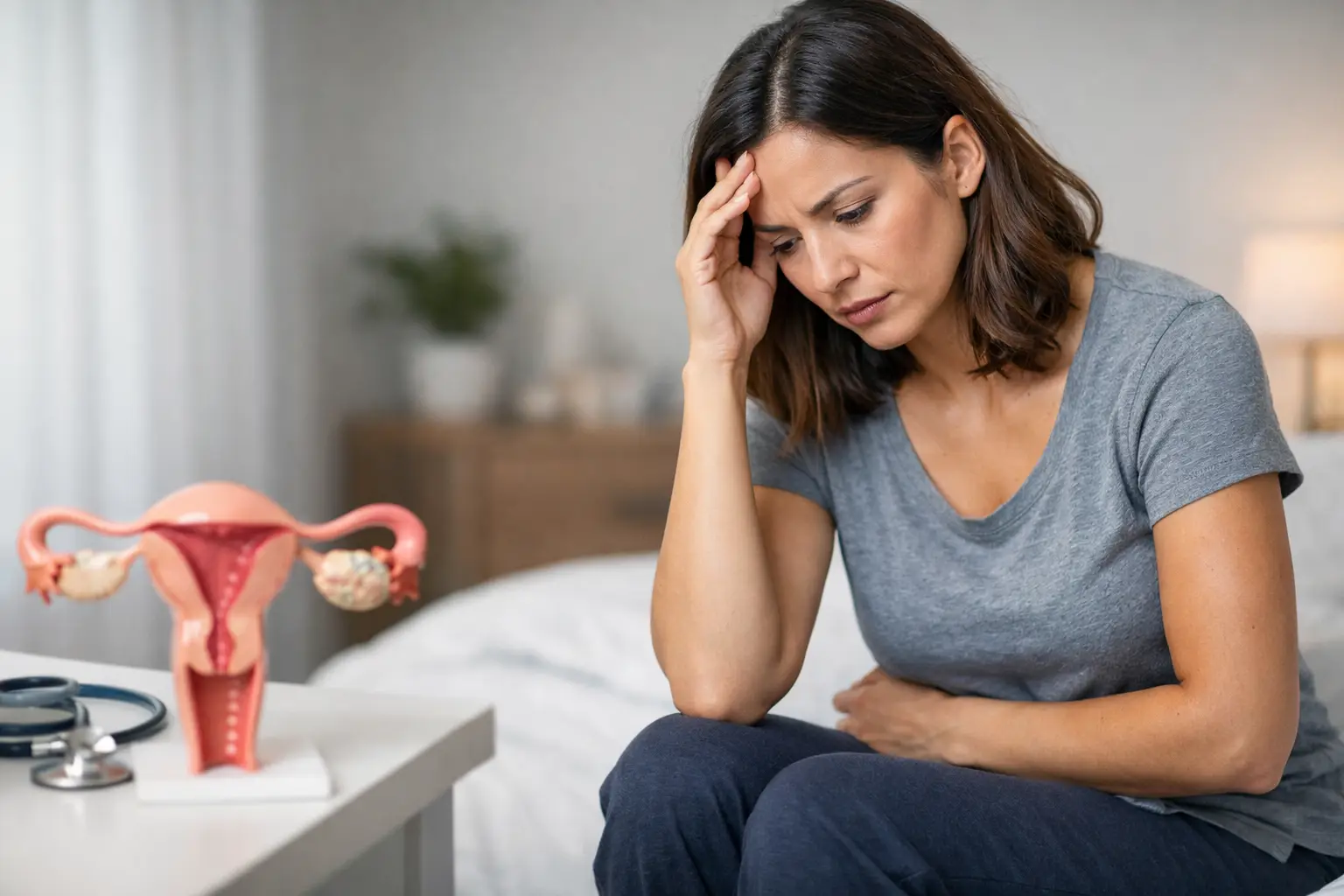
Missing periods, stubborn acne, and unexpected facial hair can seem like separate problems. But PCOS symptoms often show up as a pattern, and that pattern can point to a common hormone condition that affects many women of reproductive age.
Polycystic ovary syndrome, or PCOS, is a hormonal disorder linked to irregular ovulation, higher-than-normal androgen levels, and changes in how the body uses insulin. Not everyone has the same experience, which is one reason it gets missed. Some people notice period problems first. Others struggle more with skin changes, weight gain, or trouble getting pregnant.
Common PCOS symptoms
The most recognized sign is irregular menstrual cycles. That can mean periods that come late, happen only a few times a year, or stop for long stretches. Some women also have very heavy bleeding when a period finally arrives because the uterine lining has had more time to build up.
Another common symptom is excess hair growth, especially on the face, chin, chest, stomach, or back. This happens because androgen levels can be higher in people with PCOS. At the same time, hair on the scalp may thin out, especially near the crown, which can feel confusing and upsetting.
Skin changes are also common. Acne that continues well past the teen years, oily skin, and darkened patches of skin around the neck, groin, or underarms may all show up. Those darker areas can be linked to insulin resistance, which is common in PCOS.
Weight gain or difficulty losing weight is another major clue, although not everyone with PCOS is overweight. Some people with PCOS are in a smaller body and still deal with hormone imbalance, irregular cycles, and fertility issues. That matters because PCOS is sometimes overlooked in people who do not fit the usual stereotype.
Why PCOS symptoms happen
PCOS is not caused by one single thing. Hormones, insulin resistance, inflammation, and genetics can all play a role. When the body has trouble responding to insulin, it may produce more of it. Higher insulin levels can push the ovaries to make more androgens, which can interfere with ovulation and trigger symptoms like acne and excess hair growth.
When ovulation does not happen regularly, periods become unpredictable. That is also why PCOS can affect fertility. If an egg is not released consistently, getting pregnant can be harder. That said, harder does not mean impossible. Many women with PCOS do get pregnant, sometimes with lifestyle changes, medication, or both.
Signs that are easy to miss
Some PCOS symptoms are obvious, but others are easy to brush off. Mood changes, fatigue, sleep problems, and cravings may not seem hormone-related at first. Yet they can overlap with blood sugar issues and stress on the body.
PCOS is also linked with a higher risk of anxiety and depression. That does not mean everyone with PCOS will have mental health symptoms, but it is common enough to deserve attention. If you have been told your symptoms are just stress or just weight-related, it may be worth asking a deeper question.
When to see a doctor about PCOS symptoms
You do not need to wait until symptoms become severe. It is smart to check in with a healthcare professional if your periods are consistently irregular, you are dealing with new facial hair growth, your acne is persistent, or you have been trying to get pregnant without success.
Diagnosis usually involves a conversation about your cycle, symptoms, and medical history. A clinician may also order blood tests and possibly an ultrasound. Not everyone with PCOS has ovarian cysts, and having cysts alone does not automatically mean you have PCOS. Diagnosis depends on the overall picture.
What can help manage PCOS
Treatment depends on your symptoms and goals. If pregnancy is not the goal right now, some people use hormonal birth control to regulate cycles and lower androgen-related symptoms. Others may be prescribed medication to support insulin sensitivity or help with ovulation.
Lifestyle support matters too, but it should be realistic, not punishing. Regular movement, balanced meals with enough protein and fiber, good sleep, and stress management can all help support hormone and blood sugar balance. Some people also explore herbal or nutrition-based support, but supplements are not one-size-fits-all and should be discussed with a qualified professional, especially if you take medication or are trying to conceive.
The biggest thing to remember is this: PCOS symptoms are real, common, and treatable. If your body has been sending mixed signals, paying attention to the pattern may be the first step toward getting answers and feeling better.

