
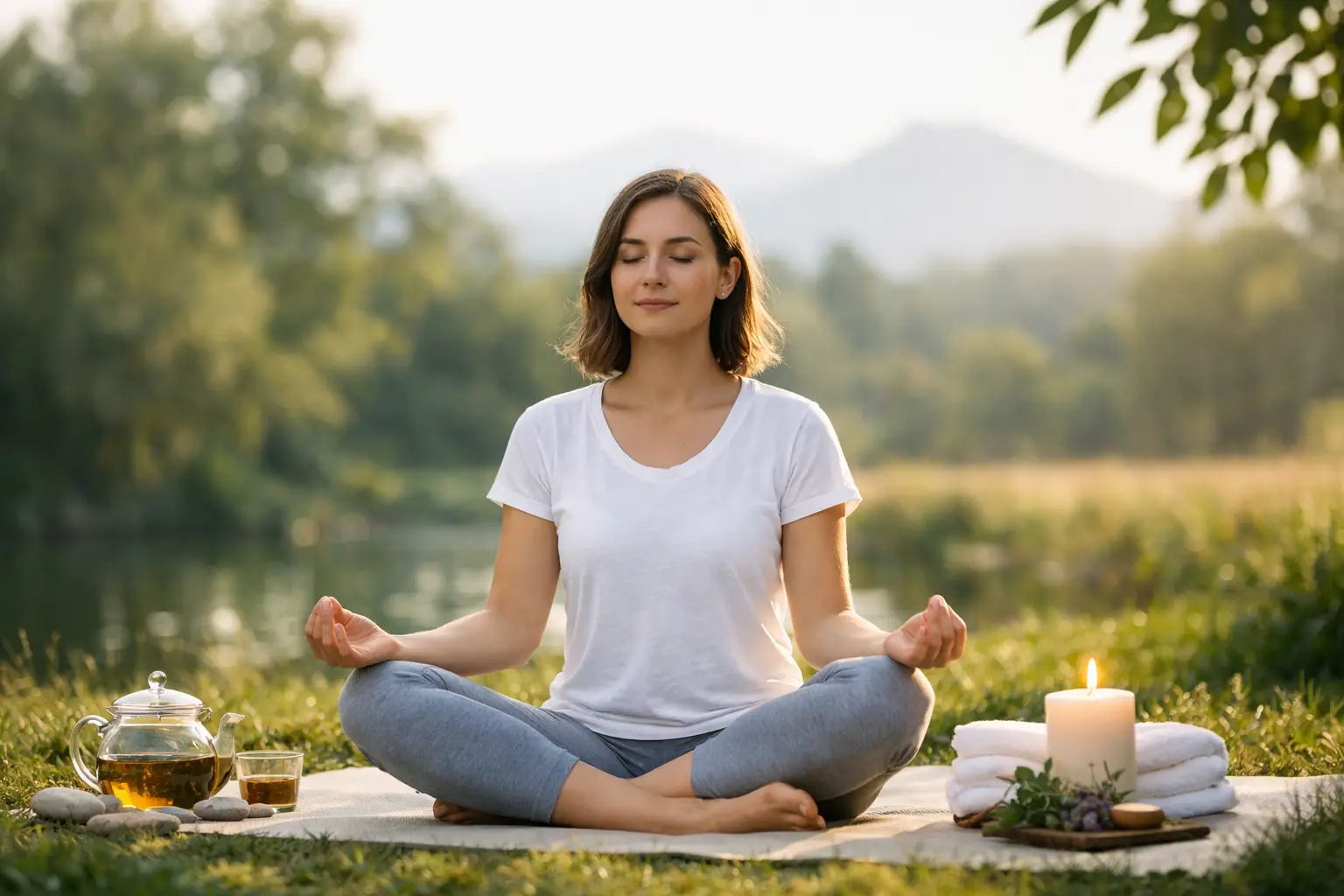
Stress has a way of sneaking into everything. It can show up as a tight chest, poor sleep, irritability, headaches, cravings, or that constant feeling that your mind never fully turns off. If you are searching for how to reduce stress naturally, the good news is that small daily habits can make a real difference.
Natural stress relief is not about pretending life is calm when it is not. It is about helping your body and mind recover faster, stay more balanced, and respond better when pressure hits. The best approach usually combines a few simple strategies instead of relying on one perfect fix.
How to reduce stress naturally in daily life
One of the fastest ways to lower stress is to work with your nervous system, not against it. When stress builds, breathing often gets shallow, muscles tighten, and the brain shifts into alert mode. That is why slow breathing, light movement, and quiet breaks can help more than people expect.
Try pausing for just five minutes and breathing in through your nose for four seconds, then out for six. A longer exhale signals safety to the body. This will not erase a hard day, but it can lower the physical intensity of stress in the moment.
Daily movement also matters. You do not need a punishing workout. A brisk walk, stretching, yoga, or even dancing in your kitchen can help burn off some of the stress hormones that build up during the day. For many people, consistency works better than intensity.
Sleep is another major piece. When you are sleep-deprived, stress feels louder. Aim for a regular bedtime, reduce screen time before bed, and keep caffeine earlier in the day if you notice it affects your sleep. Natural stress support falls apart quickly when rest is missing.
Food, herbs, and stress support
What you eat can influence how steady or frazzled you feel. Blood sugar swings can make stress symptoms worse, especially if you go too long without eating or rely heavily on sugary snacks. Balanced meals with protein, fiber, and healthy fats tend to support more stable energy and mood.
Magnesium-rich foods may be especially helpful for some people. Leafy greens, pumpkin seeds, beans, avocado, and dark chocolate are common examples. They will not act like a sedative, but they can support muscle relaxation and overall nervous system function.
Certain herbal options are also popular for natural stress relief. Chamomile is often used for relaxation, especially in the evening. Lemon balm may help with mild tension and restlessness. Ashwagandha gets a lot of attention for stress support, though it is not right for everyone, especially people with certain thyroid, autoimmune, or medication concerns.
Herbs can be useful, but they are not harmless just because they are natural. If you are pregnant, breastfeeding, taking medication, or managing a chronic condition, it is smart to check with a healthcare professional before adding supplements.
Calm your mind without making it complicated
Many people think stress management has to mean meditation for 30 minutes a day. It does not. If traditional meditation feels frustrating, start smaller.
A simple option is a mental reset routine. Step away from your phone, sit somewhere quiet, and notice five things you can see, four you can feel, three you can hear, two you can smell, and one you can taste. This grounding practice can pull your attention out of spiraling thoughts and back into the present moment.
Journaling can help too, especially if your stress comes from overthinking. You do not need a beautiful notebook or a deep practice. Write down what is bothering you, what you can control today, and what can wait. Sometimes stress gets worse because every thought stays tangled in your head.
Another underrated strategy is reducing inputs. If your brain feels overloaded, constant news alerts, endless scrolling, and nonstop notifications may be adding fuel. Protecting your attention is a form of stress care.
When natural stress relief is not enough
Natural strategies can be powerful, but they are not a replacement for proper help when stress becomes constant or overwhelming. If stress is affecting your sleep for weeks, triggering panic, causing physical symptoms, or making it hard to function, it may be time to talk to a doctor or mental health professional.
This is especially important if what feels like stress might actually be anxiety, depression, burnout, or a medical issue such as thyroid problems or hormonal changes. Sometimes the most helpful natural step is getting clear answers.
At Herbafama, the goal is to make everyday wellness feel more manageable, and stress is a good example of why that matters. The most effective plan is usually the simplest one you can stick with: better sleep, steadier meals, regular movement, calming herbs when appropriate, and a few quiet moments built into your day.
You do not need a perfect routine to feel better. Start with one habit that makes your body feel safer and your mind feel less crowded, then build from there.

