
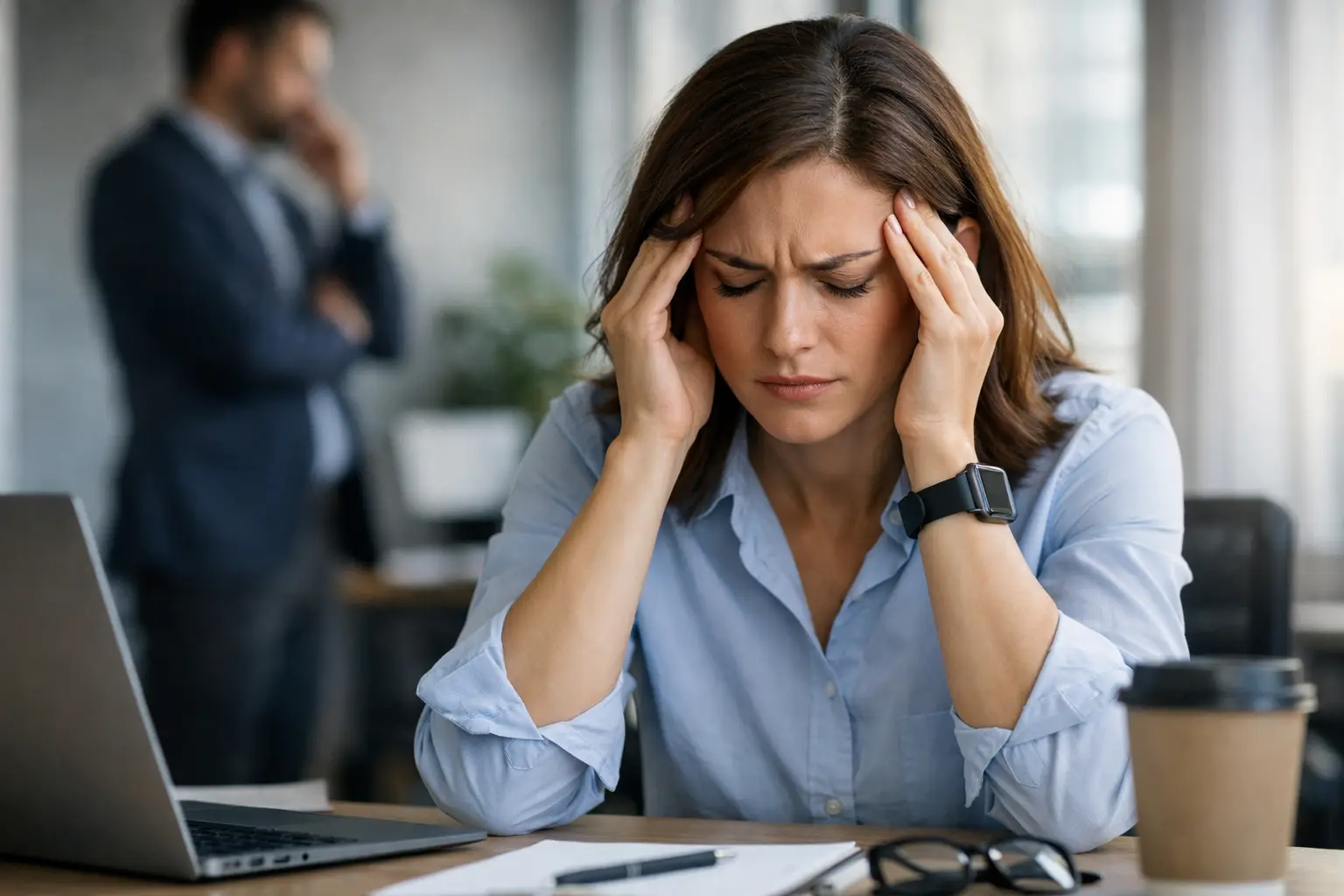
Anxiety is more than feeling stressed before a big meeting or losing sleep over a tough week. The signs of anxiety can show up in your body, your thoughts, and your daily habits, sometimes so gradually that you do not realize what is happening until it starts affecting work, relationships, or sleep.
For many adults, anxiety does not look dramatic. It can look like always expecting the worst, snapping at people you love, waking up tired, or feeling like your chest is tight for no clear reason. That is part of what makes it easy to miss.
Common signs of anxiety in everyday life
One of the most common signs of anxiety is excessive worry that feels hard to control. This worry often goes beyond a real problem in front of you. Your mind may jump ahead to what could go wrong, even in ordinary situations like driving, paying bills, or waiting for a text back.
Many people also notice restlessness. You may feel on edge, unable to relax, or like your body is stuck in high alert. Some describe it as feeling keyed up all day, even when nothing obvious is wrong.
Trouble concentrating is another major clue. Anxiety can make your thoughts race so fast that it becomes hard to focus on simple tasks. You may reread the same email several times, forget what you were doing, or feel mentally drained by basic decisions.
Irritability matters too. When your nervous system is under constant pressure, patience gets thinner. Small frustrations can suddenly feel much bigger than they are.
Physical signs of anxiety people often dismiss
Anxiety is not only mental. It can cause very real physical symptoms, which is why some people first think they have a heart problem, digestive issue, or hormone imbalance.
Common physical symptoms include a pounding heart, sweating, shaking, dizziness, muscle tension, headaches, stomach discomfort, and shortness of breath. Some people feel nausea or notice frequent bathroom trips when they are anxious. Others clench their jaw, get neck pain, or carry tension in their shoulders all day.
Sleep problems are also common. You might struggle to fall asleep because your mind will not slow down, or wake up in the middle of the night with racing thoughts. Poor sleep can then make anxiety worse the next day, creating a frustrating cycle.
These symptoms are real, but they can also overlap with other health conditions. That is why persistent or severe symptoms should not be brushed off.
Emotional and behavioral changes to watch for
Anxiety often changes behavior before people realize it. You may start avoiding places, conversations, or responsibilities that feel overwhelming. That could mean canceling plans, putting off appointments, or staying quiet because speaking up feels too stressful.
Some people seek constant reassurance. They repeatedly ask others if everything is okay, or check and recheck things like locks, schedules, or messages. Others cope by overworking, overeating, skipping meals, or using alcohol to calm down.
Not every coping habit is obvious. Even scrolling for hours, procrastinating, or staying busy every minute can be a way of avoiding anxious feelings.
When signs of anxiety may point to a bigger problem
Occasional anxiety is part of life. It becomes more concerning when it feels intense, lasts for weeks or months, or interferes with normal routines.
You may need extra attention if anxiety is making it hard to sleep, work, drive, socialize, or care for yourself. Panic attacks, frequent feelings of dread, or physical symptoms that keep returning without a clear cause are also warning signs. If you are avoiding normal activities because you fear embarrassment, illness, danger, or loss of control, anxiety may be taking up too much space in your life.
There is also a difference between stress and anxiety, although they can overlap. Stress is usually tied to a clear trigger, like money trouble or a deadline. Anxiety can stick around even when the problem passes, or show up when there is no obvious reason at all.
What can help if anxiety is building
Small daily habits can make a real difference. Regular movement, less caffeine, better sleep routines, and steady meals may help calm the body. Slow breathing, time outdoors, journaling, and cutting back on doomscrolling can also reduce some of the background noise that keeps anxiety going.
Some readers also explore gentle wellness supports such as calming herbal teas or relaxing bedtime routines. These can be helpful for mild stress, but they are not a replacement for medical or mental health care when symptoms are strong or ongoing.
If anxiety is affecting your quality of life, talking with a doctor or licensed mental health professional is a smart next step. They can help rule out other causes, explain what is happening, and suggest treatment options that fit your needs.
Paying attention to the signs of anxiety is not overreacting. It is one of the simplest ways to protect your mental and physical health before everyday stress turns into something heavier.

