
If you feel like every weight loss plan comes with a rulebook, the keto diet for beginners can seem especially confusing at first. Eat more fat? Cut most carbs? Skip bread, fruit, and even some healthy foods? It sounds extreme until you understand what the diet is trying to do and whether it actually fits your goals.
The keto diet, short for ketogenic diet, is a very low-carb, high-fat eating plan designed to shift your body into a state called ketosis. In ketosis, your body uses fat for fuel instead of relying mainly on carbohydrates. That switch is the reason many people try keto for weight loss, appetite control, or blood sugar support.
What is the keto diet for beginners?
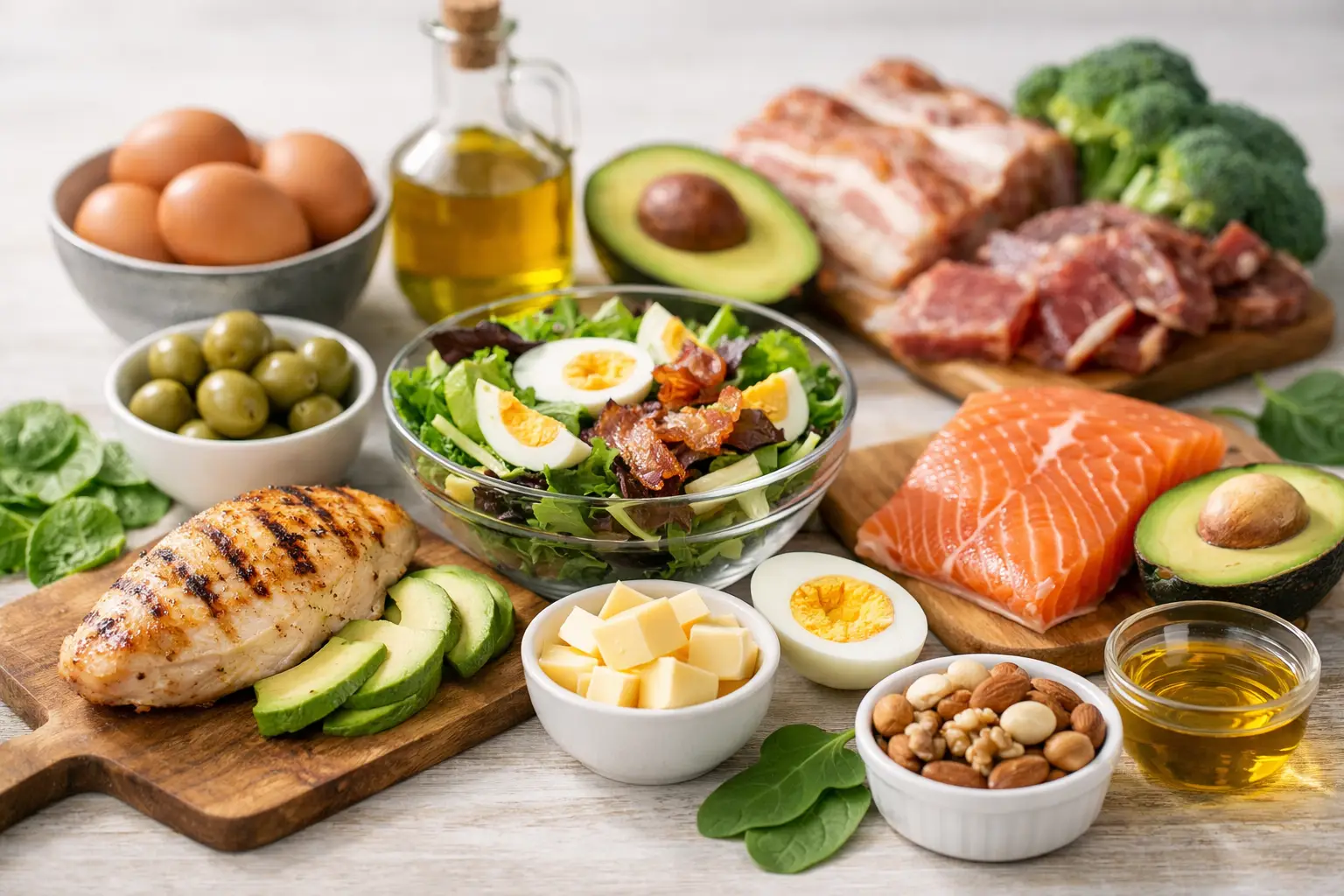
For beginners, keto is less about perfection and more about learning the basic food pattern. Most people on keto sharply reduce carbs, keep protein moderate, and increase fats. Instead of building meals around bread, pasta, rice, or sugary snacks, they build meals around eggs, meat, fish, full-fat dairy, nuts, seeds, oils, and low-carb vegetables.
A common beginner target is around 20 to 50 grams of net carbs per day, though needs can vary. Net carbs usually means total carbs minus fiber. This is why non-starchy vegetables like spinach, zucchini, broccoli, and cauliflower often fit the plan better than potatoes or corn.
What you can eat on keto
Keto is often easier when you stop thinking about restrictions and start thinking about meal swaps. Breakfast might be eggs with avocado instead of cereal. Lunch could be a grilled chicken salad with olive oil dressing instead of a sandwich. Dinner might be salmon with roasted broccoli and butter instead of pasta.
Foods that usually work well include meat, poultry, seafood, eggs, cheese, plain Greek yogurt in small amounts, olives, avocados, coconut, nuts, seeds, butter, ghee, and healthy oils. Low-carb vegetables are a big part of a more balanced keto plate, even though some people focus too heavily on bacon and cheese. If you want keto to feel more supportive of long-term health, vegetables matter.
Foods to limit or avoid
The biggest carb sources are the ones most beginners have to watch first. That includes bread, pasta, rice, crackers, cereal, chips, sweets, soda, juice, pastries, and most desserts. Beans, potatoes, and many packaged snack foods can also push carbs too high for ketosis.
Fruit is where many people get tripped up. Berries may fit in small portions, but bananas, grapes, mangoes, and dried fruit are usually too high in sugar for a strict keto approach. Even foods that sound healthy, like smoothies or flavored yogurt, can carry more carbs than expected.
What happens in the first week
The first few days can feel surprisingly good for some people and rough for others. As your body uses up stored carbohydrates, you may notice cravings, fatigue, headache, irritability, or brain fog. This is often called the keto flu, though it is not a real flu.
Part of that slump happens because low-carb eating can change fluid and electrolyte levels. Drinking enough water and getting enough sodium, potassium, and magnesium may help. Some beginners feel better by easing into keto instead of dropping carbs overnight.
Benefits and trade-offs
Keto may help some people lose weight, mostly because it can reduce appetite and cut out a lot of ultra-processed foods. Some people also report steadier energy and fewer blood sugar spikes. For adults with obesity, prediabetes, or insulin resistance, it can be a useful tool when done carefully.
Still, keto is not magic, and it is not the best fit for everyone. Some people find it too hard to maintain, especially in social settings or family meals. Others miss fiber-rich foods like beans, fruit, and whole grains. If the diet becomes too rigid, it can create stress around eating rather than improve health.
How to start keto without making it harder than it needs to be
The easiest way to begin is by keeping meals simple. Pick a protein, add a low-carb vegetable, and include a source of fat that helps the meal feel satisfying. That might look like turkey lettuce wraps with avocado, steak with green beans, or tuna salad with cucumber slices.
It also helps to clear out obvious high-carb temptations before you start. If your kitchen is packed with cookies, granola bars, and sweet drinks, beginner keto will feel like a willpower test all day long. Reading labels matters too, because sugar shows up in places people do not expect, including sauces, dressings, and flavored coffee drinks.
Is keto safe for everyone?
Not always. People with diabetes, kidney disease, liver disease, a history of eating disorders, or those who are pregnant or breastfeeding should talk with a healthcare professional before starting. If you take blood sugar or blood pressure medication, your numbers may change quickly on a lower-carb plan, and that may require medical guidance.
A food plan can be popular and still need personalization. That is especially true in health and wellness, where one person may feel great on keto while another does better with a more moderate, less restrictive approach.
If you want the keto diet for beginners to actually work, start simple, pay attention to how your body responds, and focus on meals you can realistically repeat. The best diet is not the one with the most hype. It is the one you can follow in a healthy, steady way.

