
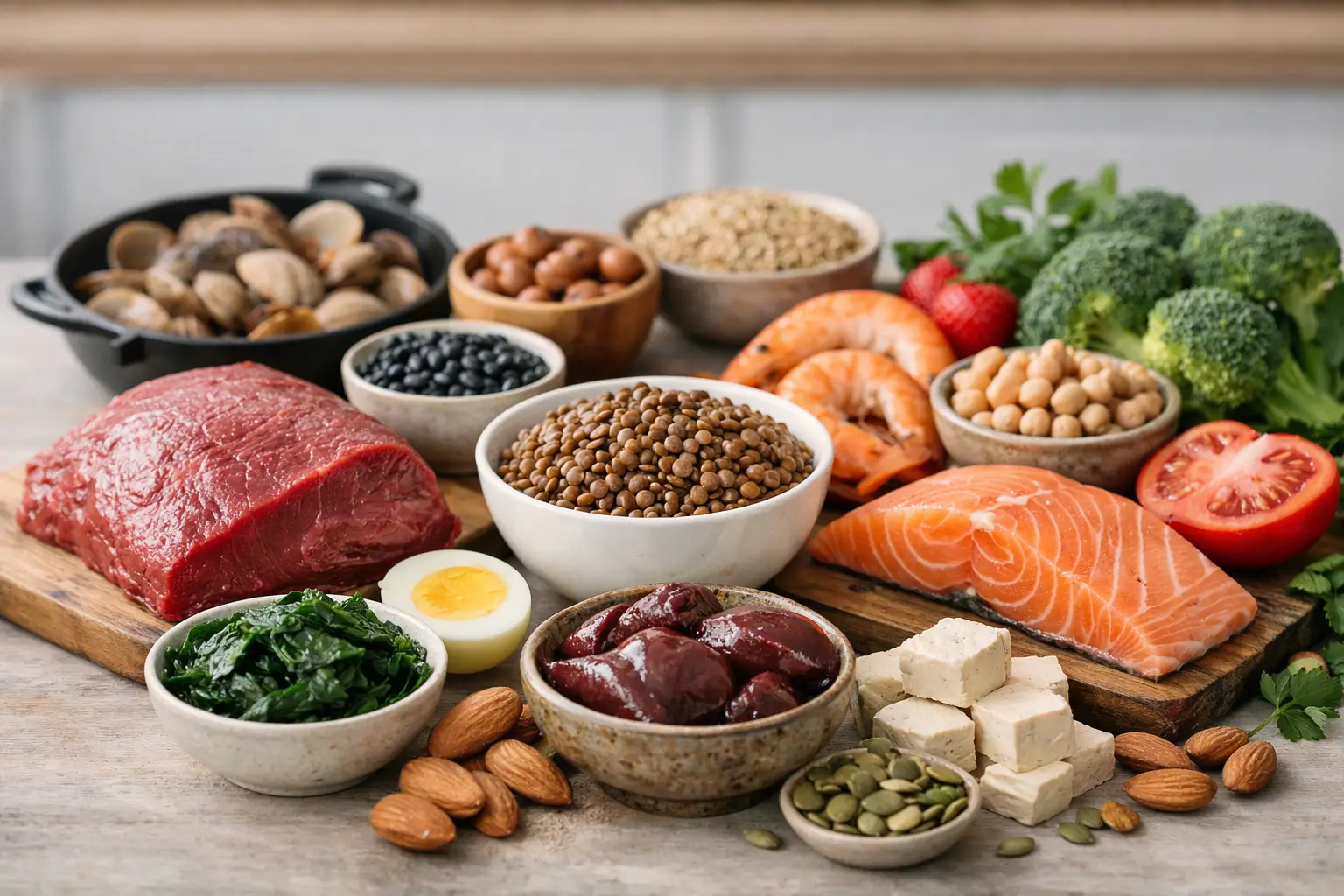
Feeling tired all the time is not always about sleep. Sometimes your diet is missing one key nutrient, and foods high in iron are often the first place to look. Iron helps your body make hemoglobin, the protein in red blood cells that carries oxygen. When iron intake is too low, you may feel weak, short of breath, dizzy, or just plain drained.
The good news is that iron is found in many everyday foods. The better news is that a few simple food-pairing tricks can help your body absorb more of it.
Why iron matters so much
Iron plays a central role in energy, brain function, physical performance, and immune health. If your body does not have enough, oxygen delivery drops and symptoms can creep in slowly. Some people are more likely to need extra attention to iron intake, especially women with heavy periods, pregnant women, growing teens, vegetarians, vegans, frequent blood donors, and people with certain digestive issues.
Not all iron works the same way, though. There are two types in food: heme iron and non-heme iron. Heme iron comes from animal foods and is absorbed more easily. Non-heme iron comes from plant foods, fortified foods, and eggs, but your body does not take it in as efficiently. That does not mean plant foods are a poor choice. It just means absorption matters.
Best foods high in iron
If you want to raise your iron intake through food, start with the strongest sources.
Red meat and organ meats
Beef is one of the most well-known iron-rich foods, and liver is even higher. Small portions can provide a lot of iron, which is why these foods are often recommended for people who need to rebuild iron stores. The trade-off is that organ meats are not for everyone, and some people prefer to limit red meat for heart health reasons. If that sounds like you, there are plenty of other options.
Shellfish and seafood
Clams, oysters, mussels, and sardines are especially rich in iron. They also provide protein and other minerals like zinc and B12. Shellfish can be a smart choice if you want a high-iron food that is not red meat, but it may not work for people with allergies, budget concerns, or limited access.
Poultry and eggs
Dark meat turkey and chicken contain more iron than white meat. Eggs offer some iron too, although not as much as meat or shellfish. They can still help, especially when part of a balanced diet.
Beans, lentils, and chickpeas
These are some of the best plant-based sources of iron. Lentils are especially useful because they are affordable, filling, and easy to add to soups, salads, and grain bowls. Beans and chickpeas also bring fiber, which supports digestive health. Since these contain non-heme iron, they work best when paired with vitamin C-rich foods.
Tofu, tempeh, and soy foods
For vegetarians and vegans, soy foods can be a practical way to get more iron. Tofu and tempeh also provide protein, making them helpful staples if you do not eat meat.
Leafy greens
Spinach gets a lot of attention, and yes, it does contain iron. So do Swiss chard, collard greens, and kale. But here is the catch: some leafy greens also contain compounds that can reduce absorption. They are still healthy foods, just not the most efficient iron source on their own.
Fortified cereals and grains
Some breakfast cereals and grain products are fortified with iron, which can make them one of the easiest ways to increase intake. This is especially helpful for picky eaters or busy adults. Just check the label, because iron content varies a lot between products.
Nuts, seeds, and dried fruit
Pumpkin seeds, sesame seeds, cashews, raisins, apricots, and prunes can all contribute small to moderate amounts of iron. These foods are not usually enough by themselves if iron is very low, but they are easy add-ons that can support your daily intake.
How to absorb more iron from your food
This part matters more than most people realize. You can eat foods high in iron, but if absorption is poor, you may not get the benefit you expect.
Vitamin C helps your body absorb non-heme iron much better. That means pairing iron-rich foods with oranges, strawberries, kiwi, tomatoes, bell peppers, or broccoli can make a real difference. A bean bowl with salsa or a spinach salad with citrus is a smarter move than eating those foods alone.
At the same time, some drinks and foods can interfere with absorption. Tea and coffee can lower iron absorption when consumed with meals. Calcium can also compete with iron in some cases. If you are trying to increase iron intake, it may help to drink coffee or tea between meals instead of with them.
When food may not be enough
If you have ongoing fatigue, pale skin, headaches, brittle nails, or unusual shortness of breath, low iron could be part of the picture. But symptoms alone cannot confirm it. Heavy menstrual bleeding, stomach problems, ulcers, internal bleeding, or poor absorption can all lead to iron deficiency, and food alone may not fully fix the issue.
That is why persistent symptoms deserve medical attention. A simple blood test can check your iron status, and treatment depends on the cause. Some people need supplements, but taking iron when you do not need it is not a good idea. Too much iron can be harmful.
For most people, the smartest place to start is with everyday meals. Add more lentils to soups, swap in iron-fortified cereal, include lean beef or sardines now and then, and pair plant foods with vitamin C. Small changes can add up fast, especially when your body has been running low.

