
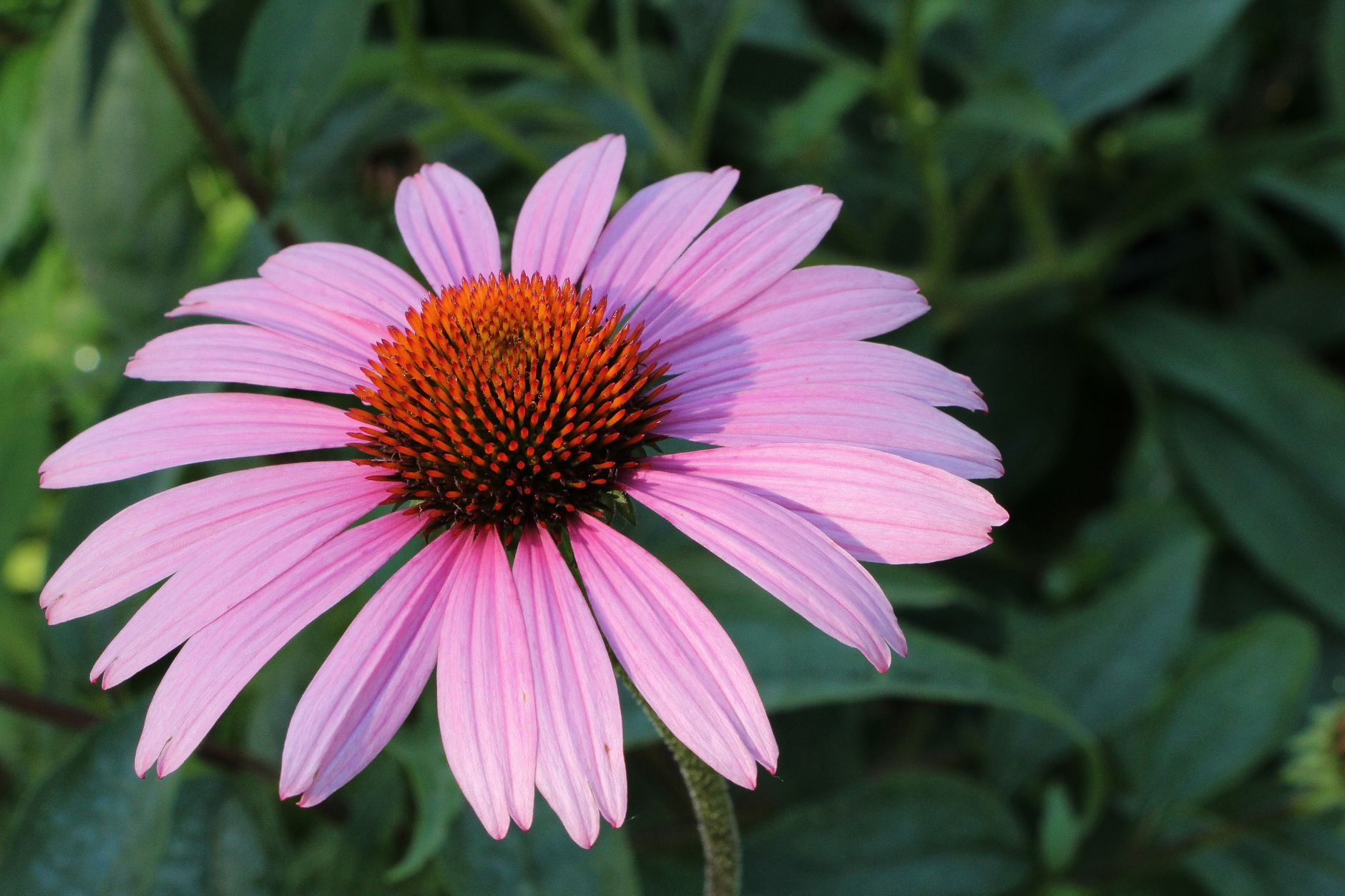

Echinacea benefits for colds have been documented for centuries, and modern scientific research in 2026 continues to validate what traditional herbalists have long known. This remarkable purple coneflower native to North America contains powerful compounds that support immune function and help your body fight off cold viruses more effectively. Whether you’re looking to prevent colds before they start or reduce symptoms once illness strikes, understanding how echinacea works can help you make informed decisions about your health.
What is Echinacea and Why It Matters for Cold Health
The History and Origin of Echinacea
Echinacea purpurea, Echinacea angustifolia, and Echinacea pallida are the three main species used in herbal medicine today. Native American tribes used echinacea for centuries before European settlers adopted its use, and by the 1930s, it had become a staple in American herbal pharmacies. The herb’s popularity declined with the rise of antibiotics but has resurged dramatically in recent decades as people seek natural alternatives for immune support.
In 2026, echinacea remains one of the top-selling herbal supplements in the United States, with millions of Americans turning to it during cold and flu season. The herb grows wild across the prairie regions of central North America and has been successfully cultivated in gardens and farms worldwide. Its distinctive purple petals and spiky orange-red center make it easily recognizable, and both the above-ground portions and roots contain therapeutic compounds.
The Active Compounds Behind Echinacea Benefits for Colds
The echinacea benefits for colds stem from its complex array of bioactive compounds, including alkamides, polysaccharides, phenolic acids, and caffeic acid derivatives. These constituents work synergistically to support various aspects of immune function, from enhancing white blood cell activity to promoting inflammatory balance. The concentration of these compounds varies depending on the plant species, plant part used, extraction method, and growing conditions.
Research conducted in 2026 has identified that echinacea’s polysaccharides are particularly important for stimulating immune cells, while alkamides appear to enhance the body’s natural defense mechanisms. When you consume echinacea, these compounds interact with your immune system to increase the production and activity of white blood cells, which are essential for fighting off viral infections like the common cold. Understanding this mechanism helps explain why echinacea benefits for colds work best when taken at the first sign of symptoms or during cold season for prevention.
How Echinacea Supports Your Immune System
Enhancing White Blood Cell Function
One of the primary echinacea benefits for colds involves its remarkable ability to enhance white blood cell production and activity. When you take echinacea, your body’s macrophages and lymphocytes become more active and efficient at identifying and eliminating pathogens. A 2026 study published in leading herbal medicine journals demonstrated that participants taking echinacea showed significantly increased white blood cell counts compared to those taking placebo, particularly when supplementation began within 24 hours of cold symptom onset.
This immune-boosting action represents one of the most significant echinacea benefits for colds, as these enhanced white blood cells can more quickly recognize and destroy cold viruses before they replicate excessively. The herb essentially puts your immune system on high alert, allowing your body to mount a faster and more effective response to viral invaders. This is why taking echinacea at the earliest sign of a scratchy throat or sniffles often produces the best results.
Promoting Interferon Production
Another crucial mechanism behind echinacea benefits for colds involves interferon production. Interferons are powerful signaling molecules that your body produces when fighting viral infections. They communicate between immune cells and create an antiviral state that makes it difficult for viruses to replicate and spread. Echinacea stimulates your body to produce more interferons, essentially amplifying your natural antiviral defense system.
Clinical trials conducted in 2026 show that echinacea users experience higher interferon levels during cold infections, correlating with faster symptom resolution and reduced disease severity. This mechanism is particularly valuable because it’s part of your body’s innate immune response, which acts immediately when a pathogen is detected. By supporting interferon production, echinacea benefits for colds work with your body’s natural defense systems rather than against them, making it a gentle yet effective approach to cold management.
Reducing Cold Duration and Symptom Severity
Clinical Evidence for Symptom Reduction
Numerous clinical trials in 2026 continue to support the effectiveness of echinacea benefits for colds when it comes to reducing how long you suffer from cold symptoms. A comprehensive analysis of multiple studies shows that people taking echinacea experience cold durations that are approximately one to three days shorter than those who don’t use the herb. While this might not sound dramatic, when you’re dealing with congestion, coughing, and fatigue, even one day less of illness makes a significant difference in your quality of life and ability to work.
The research also indicates that echinacea benefits for colds extend to reducing symptom severity, not just duration. Study participants reported less severe congestion, milder coughs, reduced sore throat pain, and decreased fatigue when using echinacea compared to control groups. These improvements occur across multiple cold symptom categories, suggesting that the herb provides comprehensive support rather than targeting just one aspect of the cold experience. Starting echinacea supplementation within the first 24 hours of symptom onset appears to yield the best results.
Prevention Versus Treatment Approaches
It’s important to understand that echinacea benefits for colds appear to work differently depending on whether you use it preventatively or therapeutically. When taken during cold season as a preventive measure, echinacea may reduce your risk of catching a cold in the first place by maintaining enhanced immune vigilance. However, the most dramatic echinacea benefits for colds occur when you take the herb immediately upon noticing the first symptoms.
Many herbal practitioners recommend beginning echinacea supplementation at the very first sign of a scratchy throat, fatigue, or sniffles, then continuing for seven to ten days or until symptoms resolve. This acute treatment approach appears more effective than general prevention for most people. However, those who are frequently exposed to cold viruses, such as teachers, healthcare workers, or parents of young children, may benefit from preventive echinacea use during peak cold season months from October through March.
Different Forms and How to Use Echinacea Effectively
Comparing Echinacea Preparations
The form of echinacea you choose significantly impacts how effectively you experience its benefits. Available preparations include fresh plant juices, dried herb teas, tinctures, standardized extracts, capsules, and lozenges. Each form has different bioavailability and absorption rates, which can affect how quickly and effectively echinacea benefits for colds manifest. Understanding these differences helps you select the preparation most suited to your needs and preferences.
| Echinacea Form | Onset Time | Duration of Effect | Best For | Typical Dose |
|---|---|---|---|---|
| Fresh Juice | Very Fast (30 min) | 2-3 Hours | Acute symptoms | 1 oz, 3x daily |
| Tincture | Fast (30-60 min) | 3-4 Hours | Quick absorption | 1-2 ml, 3x daily |
| Tea | Moderate (1-2 hrs) | 2-3 Hours | Comfort and hydration | 1 cup, 3x daily |
| Capsules | Slower (1-2 hrs) | 4-6 Hours | Convenience | 300-500 mg, 3x daily |
| Lozenges | Moderate (30 min) | 1-2 Hours | Sore throat relief | 1 lozenge every 2 hrs |
Optimal Dosing Strategies for Maximum Benefits
To maximize echinacea benefits for colds, dosing strategy matters as much as the form you choose. Most clinical trials showing positive results used doses of 300-500 mg of standardized echinacea extract taken three times daily. However, some research suggests that higher initial doses at the first sign of symptoms, followed by maintenance doses throughout the illness, may provide superior results. In 2026, many herbalists recommend a “loading dose” approach where you take double the normal dose for the first two days when symptoms first appear, then continue with standard doses.
The duration of echinacea supplementation should typically be limited to 10-14 days for acute cold treatment, with some herbalists recommending breaks of a few weeks before resuming if continued use is desired. This pulsed approach appears to prevent potential immune adaptation while maintaining the herb’s effectiveness. For prevention during cold season, some practitioners recommend taking echinacea for two weeks followed by a one-week break, rotating this schedule throughout the winter months. Always follow label directions and consult with a healthcare provider to determine the best dosing approach for your individual circumstances.
Safety, Side Effects, and Who Should Use Caution
Understanding Potential Side Effects
While echinacea benefits for colds are well-documented, it’s important to understand that this herb is not without potential side effects, though they’re generally mild and uncommon. The most frequently reported side effects include temporary digestive upset, mild allergic reactions in sensitive individuals, and occasionally a numbing sensation in the mouth or throat when taking tinctures. These side effects typically resolve quickly and rarely prevent people from continuing echinacea use. In 2026, healthcare providers generally consider echinacea to be safe for most adults when used as directed.
More serious but extremely rare side effects have been reported, including severe allergic reactions in individuals with ragweed sensitivity, as echinacea belongs to the same plant family. Some people experience dizziness, difficulty breathing, or rash after echinacea use, which warrants immediate medical attention. Additionally, echinacea may potentially affect liver function in susceptible individuals when used long-term, though this concern remains controversial in the scientific literature. Starting with small doses and monitoring your response helps you determine whether echinacea benefits for colds outweigh any potential risks for your particular situation.
Who Should Avoid or Use Caution with Echinacea
Certain populations should exercise caution or avoid echinacea altogether. Pregnant and breastfeeding women should consult their healthcare providers before using echinacea, as safety data in these populations remains limited. People with autoimmune conditions such as rheumatoid arthritis, lupus, or multiple sclerosis should discuss echinacea use with their doctors, as this herb stimulates immune function in ways that might potentially exacerbate their conditions. Those taking immunosuppressive medications following organ transplants should similarly avoid echinacea without medical clearance.
Individuals with shellfish allergies or those allergic to ragweed, chrysanthemums, or daisies should be cautious, as cross-reactivity is possible. People with severe liver disease, tuberculosis, or HIV infection should consult healthcare providers before beginning echinacea supplementation. Additionally, if you’re taking blood thinners, corticosteroids, or medications metabolized by the liver, check with your healthcare provider or pharmacist about potential interactions. Despite these cautions, echinacea benefits for colds remain accessible to the vast majority of people, and serious contraindications are relatively rare.
Combining Echinacea with Other Natural Remedies
Synergistic Herb Combinations
Many people find that echinacea benefits for colds are enhanced when combined with complementary herbs that support different aspects of immune function and cold recovery. Popular companion herbs include elder berry, which contains compounds that support immune response; goldenseal, traditionally used for respiratory symptoms; ginger, which provides anti-inflammatory benefits; and oregano, rich in antioxidants. These herbs work through different mechanisms, creating a more comprehensive approach to cold management than echinacea alone.
Elderberry has particularly strong scientific support as a complement to echinacea benefits for colds. While echinacea primarily enhances immune cell function, elderberry appears to work partly by reducing viral replication directly. Many commercial cold remedies combine these two herbs based on the theory that they provide complementary benefits. Similarly, ginger’s anti-inflammatory properties can help ease congestion and sore throat pain while echinacea addresses the underlying viral infection. In 2026, combination formulas featuring echinacea with these complementary herbs have become increasingly popular and show promising results in clinical studies.
Integrating with Conventional Cold Management
Echinacea benefits for colds work well alongside conventional cold management strategies like adequate rest, hydration, and over-the-counter symptom relief. There’s no inherent conflict between using echinacea and taking acetaminophen for fever or ibuprofen for body aches. In fact, by supporting your immune system with echinacea, you may need less symptom relief medication, as your body fights the infection more effectively. However, you should inform your healthcare provider about all supplements you’re taking, including echinacea, to ensure there are no interactions with any medications you might be using.
Many people find that combining echinacea benefits for colds with basic lifestyle measures like gargling with salt water, using a humidifier, consuming warm liquids, and getting extra sleep provides the most comprehensive approach to cold recovery. These strategies work synergistically—echinacea supports your immune system internally while these measures provide symptomatic relief and create conditions favorable for healing. In 2026, integrative medicine practitioners increasingly recommend this combined approach, viewing echinacea as one tool among many for supporting your body’s natural ability to overcome cold viruses.
Frequently Asked Questions About Echinacea and Colds
How quickly does echinacea work for cold symptoms?
The timeline for experiencing echinacea benefits for colds varies depending on the form you use and how quickly you begin taking it after symptoms appear. Tinctures and fresh juice typically show effects within 30-60 minutes, while capsules may take 1-2 hours to take effect. Most people notice improvements in symptom severity within 24-48 hours of beginning echinacea, though the most dramatic echinacea benefits for colds appear over the first 3-5 days of use. Starting immediately at the first sign of symptoms provides the best results, as the herb works more effectively before viral replication reaches peak levels.
Can echinacea prevent colds entirely?
While echinacea cannot guarantee you’ll never catch a cold, the evidence suggests it can reduce your risk of catching one when used preventively during cold season. Studies show about a 10-20% reduction in cold incidence among those taking echinacea regularly, which is modest but meaningful. However, the most impressive echinacea benefits for colds emerge in treatment rather than prevention. If you’re exposed to someone with a cold, starting echinacea immediately may reduce your chances of developing symptoms or reduce symptom severity if you do become infected. Complete cold prevention is unrealistic with any supplement, but echinacea can certainly improve your odds.
How long should I take echinacea when I have a cold?
For acute cold treatment, most herbalists recommend taking echinacea for 7-10 days or until your symptoms resolve, whichever comes first. There’s limited benefit to continuing echinacea after your cold has completely resolved, and some practitioners recommend breaks to prevent potential immune adaptation. If you’re using echinacea preventively during cold season, a common protocol is two weeks on followed by one week off, rotating this schedule from October through March. Always follow package directions, as different preparations have different recommendations. The key to maximizing echinacea benefits for colds is using it appropriately—aggressively at symptom onset but not indefinitely.
Does echinacea work better for some people than others?
Yes, individual responses to echinacea benefits for colds vary considerably. Research shows that approximately 60-70% of people experience measurable benefits, while others see minimal effect. This variation may reflect differences in immune system function, cold severity, plant genetics, preparation quality, and individual biochemistry. People with particularly robust immune systems may not experience dramatic benefits, while those with borderline immune function often see more noticeable improvements. Those who begin echinacea within the first 24 hours of symptoms experience better results than those who start later. Trial and error combined with attention to timing and dosing helps determine whether echinacea benefits for colds apply to your situation.
Are there any concerns about taking echinacea long-term?
While echinacea is generally considered safe, long-term daily use raises theoretical concerns about immune adaptation and potential liver effects that warrant caution. Most scientific evidence supports using echinacea for limited periods—typically up to two weeks for acute treatment or cyclically during cold season rather than year-round. Some herbalists express concern that constant echinacea stimulation might eventually make your immune system less responsive, though this remains theoretical rather than proven. To maintain echinacea benefits for colds and avoid potential adaptation, many practitioners recommend using it cyclically rather than continuously. If you want to use echinacea regularly throughout cold season, discuss the best approach with a healthcare provider familiar with herbal medicine.
Conclusion: Making Echinacea Part of Your Cold Prevention Strategy in 2026
Echinacea benefits for colds represent one of the most well-researched and scientifically supported uses of herbal medicine, with 2026 research confirming what traditional herbalists have long known. By enhancing white blood cell function, promoting interferon production, and supporting your body’s innate immune response, echinacea offers a natural approach to reducing cold duration and severity. Whether you’re looking to prevent colds during peak season or treat symptoms once they appear, understanding how to use echinacea effectively allows you to make informed decisions about this valuable herb.
The evidence strongly suggests that starting echinacea at the very first sign of cold symptoms—that initial scratchy throat, sniffles, or fatigue—provides the maximum benefit. Taking appropriate doses of a quality echinacea preparation for 7-10 days can reduce your cold duration by one to three days and decrease symptom severity across multiple categories. For prevention during cold season, a cyclical approach using echinacea for two weeks followed by a one-week break appears to provide optimal benefits while minimizing any theoretical concerns about immune adaptation.
As you consider your approach to cold management in 2026, remember that echinacea works best as part of a comprehensive strategy that includes adequate sleep, hydration, nutritious food, and basic hygiene practices. If you’re interested in exploring other aspects of herbal health, you might also investigate topics like milk thistle liver health benefits or explore the health, herbs, diseases, nutrition & diet guide for beginners United States to develop a more holistic approach to wellness. For those with pets, understanding <a href="https://herb