
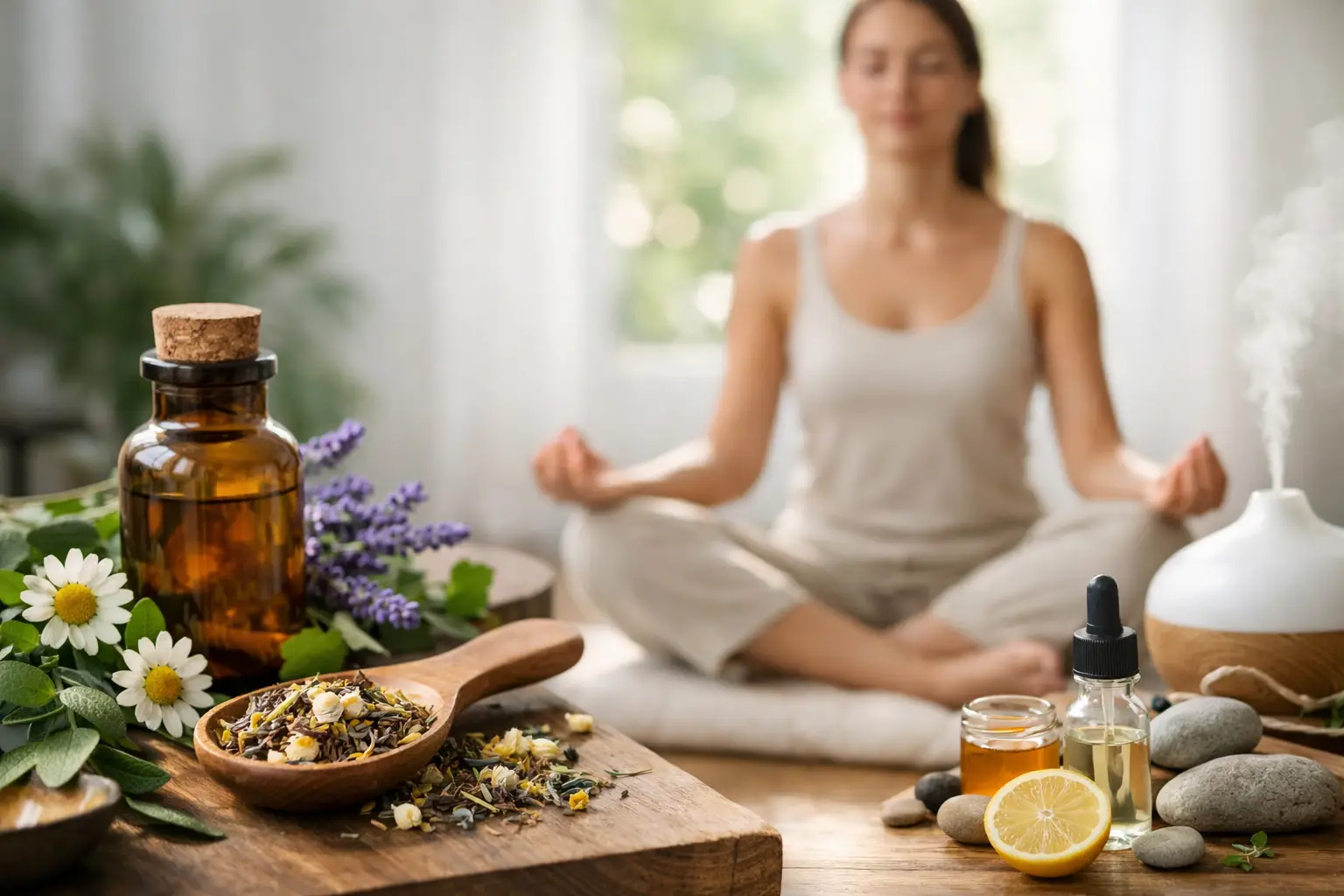
That tight chest before a meeting. The racing thoughts at 2 a.m. The feeling that your body is stuck in high alert even when nothing is technically wrong. Natural remedies for anxiety appeal to many people because they offer small, practical ways to calm the nervous system without making life more complicated.
Anxiety is not just “stress” or a bad mood. It can show up as restlessness, irritability, stomach problems, muscle tension, poor sleep, trouble focusing, or a constant sense of dread. For some people, natural support is enough to take the edge off. For others, it works best alongside therapy, medication, or both. The key is to be honest about how severe your symptoms are and choose tools that match real life.
Why natural remedies for anxiety can help
Anxiety affects both the mind and the body. When your nervous system thinks you are under threat, your breathing may get shallow, your heart rate may rise, and your muscles may stay tense. That is why many natural approaches focus less on “thinking positive” and more on sending the body signals of safety.
Some remedies work quickly, like slow breathing or stepping outside for a walk. Others are more gradual, like improving sleep, cutting back on caffeine, or building a steadier daily routine. The best results usually come from combining a few strategies rather than expecting one herb, tea, or habit to do everything.
1. Slow breathing is simple, but it works
When anxiety spikes, breathing often becomes fast and shallow. That can make dizziness, chest tightness, and panic feel worse. Slowing the breath helps interrupt that cycle.
A useful method is inhaling through your nose for four counts, exhaling for six, and repeating for a few minutes. The longer exhale matters because it encourages the body to shift toward a calmer state. If counting makes you more tense, just focus on making your exhale softer and longer than your inhale.
This is not magic, and it will not solve deeper causes of anxiety. But it can lower the intensity of symptoms enough to help you think clearly again.
2. Herbal teas and gentle herbs may take the edge off
Herbal support is one of the most searched natural remedies for anxiety, and for good reason. Many people find comfort in simple rituals like making tea and slowing down for ten minutes. Chamomile is one of the most familiar options. It is often used for relaxation and may be especially helpful when anxiety and poor sleep go together.
Lemon balm is another popular herb for mild nervousness, tension, and restlessness. Lavender, whether used as tea, aromatherapy, or in supplement form, is also widely used to promote calm. Some people respond well to passionflower, especially when anxiety comes with mental overactivity.
Herbs are not risk-free just because they are natural. They can interact with medications, including antidepressants, sedatives, blood thinners, and some pain medicines. If you are pregnant, breastfeeding, managing a chronic condition, or taking prescription drugs, it is smart to check with a healthcare professional before trying concentrated herbal products.
3. Magnesium may help if your body feels wired
If anxiety shows up as muscle tension, poor sleep, headaches, or that overstimulated “wired but tired” feeling, magnesium is worth a closer look. This mineral plays a role in nerve function, muscle relaxation, and stress response.
Some people do well with magnesium-rich foods like pumpkin seeds, almonds, spinach, black beans, and dark chocolate. Others prefer supplements. Magnesium glycinate is often chosen because it tends to be gentler on the stomach than some other forms.
Still, magnesium is not a cure-all. It may help more if you are not getting enough to begin with, and too much can cause diarrhea or stomach upset. People with kidney disease should be especially cautious with supplements.
4. Exercise changes anxiety chemistry
You do not need intense workouts to get the benefits. A brisk walk, light cycling, yoga, or even dancing in your living room can lower stress hormones and help your brain regulate mood more effectively. Movement also gives anxious energy somewhere to go.
One common mistake is waiting until you feel motivated. Anxiety often kills motivation first. It is better to aim for something small and repeatable, like a ten-minute walk after lunch or stretching before bed. Short sessions still count.
Yoga deserves its own mention because it combines movement, breathing, and body awareness. For some people, that combination is especially calming. For others, quiet forms of exercise feel better than classes or gyms, which can be overstimulating. It depends on your triggers and personality.
5. Caffeine may be making anxiety worse
This one is easy to miss. Coffee, energy drinks, pre-workout powders, and even some teas can cause symptoms that look a lot like anxiety – jitteriness, rapid heartbeat, sweating, and racing thoughts. If you already have an anxious nervous system, caffeine can push it harder.
That does not mean everyone needs to quit. But if your anxiety is frequent, reducing caffeine is one of the most practical changes you can test. Try cutting back gradually rather than stopping all at once, since withdrawal can bring headaches and irritability.
Pay attention to timing too. An afternoon coffee can quietly sabotage sleep, and bad sleep almost always makes anxiety louder the next day.
6. Better sleep is one of the strongest remedies
Anxiety disrupts sleep, and poor sleep fuels anxiety. That loop is brutal. If you want a natural approach that actually moves the needle, protecting sleep is one of the best places to start.
Keep your sleep and wake times as regular as possible. Reduce bright screens before bed if they keep your brain alert. Avoid heavy meals and alcohol late at night. Make your room cool, dark, and quiet if you can. If your mind races at bedtime, a brain dump on paper can help more than lying there trying to force sleep.
Natural sleep aids can help some people, but habits still matter most. If insomnia is severe or ongoing, it is worth getting help rather than trying one supplement after another.
7. Food can steady the nervous system
Blood sugar swings can make anxiety feel worse. Going too long without eating may leave you shaky, irritable, or lightheaded, which can trigger more worry. A steadier eating pattern can make a real difference, especially if you tend to skip meals.
Try building meals around protein, fiber, and healthy fats. Eggs, Greek yogurt, oats, beans, nuts, berries, and vegetables are simple examples. Staying hydrated matters too. Even mild dehydration can leave you feeling off, tired, and more easily stressed.
No single food “treats” anxiety, and social media often oversells that idea. But a balanced diet creates a more stable physical base, and that can make emotional regulation easier.
8. Mindfulness helps when your thoughts keep spiraling
Mindfulness is often misunderstood as clearing your mind completely. It is more about noticing what is happening without instantly getting dragged by it. That matters when anxious thoughts start snowballing.
A basic practice can be as simple as naming five things you see, four things you feel, three things you hear, two things you smell, and one thing you taste. Grounding exercises like this pull attention away from future-focused worry and back into the present moment.
Meditation apps, guided audio, prayer, journaling, or quiet time in nature can all support the same goal. If sitting still makes you more anxious, try walking meditation or mindful stretching instead. Calm does not have to look one specific way.
9. Social connection is a natural anxiety buffer
When anxiety hits, many people isolate. Unfortunately, that can make symptoms feel bigger. Even brief connection can help regulate the nervous system. A calm conversation, a walk with a friend, or simply being around safe people can lower the sense of threat.
This does not mean forcing yourself to socialize when you are overwhelmed. It means noticing whether anxiety is shrinking your world and looking for one manageable point of contact. Support groups, faith communities, counseling, and trusted family members can all help.
When natural remedies are not enough
There is a point where self-help stops being enough, and recognizing that is a strength, not a failure. If anxiety is causing panic attacks, keeping you from work or school, affecting your eating or sleep in a major way, or making daily functioning hard, professional support matters.
It is also important to seek help if anxiety comes with depression, substance use, or thoughts of self-harm. In those cases, natural strategies may still be useful, but they should not be the whole plan.
For everyday stress, mild worry, and nervous system overload, small changes can add up. A calmer routine, less caffeine, steadier sleep, supportive herbs, and a few minutes of breathing may not look dramatic from the outside. But sometimes that is exactly how healing starts – not with one giant fix, but with a handful of gentle habits that tell your body it is safe to settle down.

