
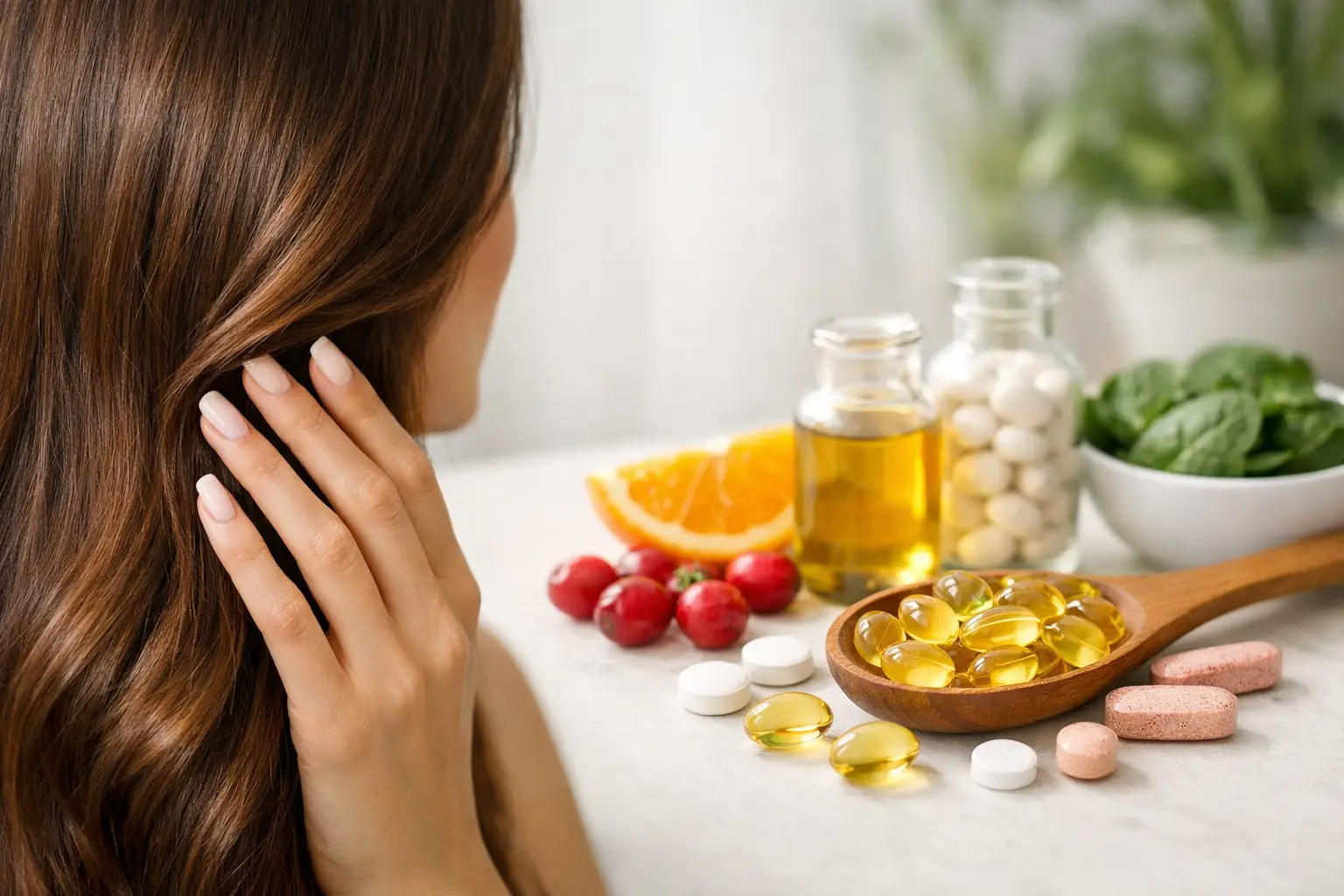
Thinning hair, peeling nails, and slow growth can feel like a beauty problem, but they often start as a nutrition problem. The best vitamins for healthy hair and nails can support growth, strength, and shine, especially if your diet is missing key nutrients or your body is under stress.
That said, no vitamin works like magic overnight. Hair grows slowly, nails grow steadily, and both reflect what is happening inside the body over time. If you are hoping for stronger nails or less shedding, the smartest approach is to look at the nutrients most closely tied to keratin production, circulation, and cell repair.
Best Vitamins for Healthy Hair and Nails: What Actually Helps?
Hair and nails are made largely of protein, especially keratin. To build keratin well, your body needs more than protein alone. It also needs a steady supply of vitamins and minerals that help with cell turnover, oxygen delivery, oil production, and tissue repair.
The most talked-about nutrient is biotin, also known as vitamin B7. Biotin helps the body process fats, carbohydrates, and protein, and it plays a role in keratin infrastructure. People with a true biotin deficiency may notice brittle nails, thinning hair, or skin changes. But here is the catch: many people take biotin for cosmetic reasons even when they are not deficient. In that case, results may be modest or hard to notice.
Vitamin D also matters more than many people realize. Low vitamin D levels have been linked with some types of hair shedding, including telogen effluvium and certain forms of alopecia. Vitamin D supports the hair follicle cycle, and when levels are low, normal growth may be disrupted. If you spend little time outdoors, have darker skin, or live in an area with long winters, low vitamin D is more common.
Vitamin C deserves more attention too. It helps the body make collagen, which supports the structure around hair and nails, and it improves iron absorption. That second job is especially important because low iron is a well-known cause of hair shedding, particularly in women. A diet low in fruits and vegetables can quietly reduce vitamin C intake and make it harder to maintain healthy growth.
Vitamin A is another key player, but this one comes with an important warning. Your body needs vitamin A for cell growth and skin gland function, both of which affect hair health. Too little can be a problem, but too much can also trigger hair loss. This is why high-dose supplements are not a smart shortcut unless a clinician has told you to take them.
Vitamin E is often marketed for hair and nail health because of its antioxidant role. It helps protect cells from oxidative stress, which may matter when inflammation, poor diet, or environmental exposure is taking a toll. It is useful, but it is rarely the single missing piece.
The B vitamins as a group also support healthy growth. B12 and folate help with red blood cell production, which helps carry oxygen to hair follicles and nail beds. If you are low in either one, especially if you follow a vegetarian or vegan diet, you may notice fatigue along with changes in hair and nails.
The minerals that matter just as much
People often search for vitamins and forget that minerals can be just as important. Iron is one of the biggest examples. When iron stores are low, the body may shift resources away from nonessential functions like hair growth. The result can be diffuse shedding, slower regrowth, or nails that break more easily.
Zinc is another major nutrient for repair and growth. It supports tissue healing, immune function, and the oil glands around hair follicles. Too little zinc can contribute to hair thinning and nail changes, but too much from supplements can interfere with copper balance and create new problems.
Selenium is needed in small amounts and supports thyroid function and antioxidant defenses. Since thyroid problems can affect hair texture, shedding, and nail strength, selenium sometimes enters the conversation. But more is not better here either. Overdoing selenium can actually cause hair loss and brittle nails.
Signs you may be low in key nutrients
Not every split nail or shedding season points to a deficiency. Hair and nails change with age, stress, hormones, grooming habits, and medical conditions. Still, some clues can suggest it is worth looking closer.
If your nails peel, split, or break easily, and your hair seems thinner, duller, or slower to grow than usual, nutrition may be part of the picture. Other signs can include fatigue, pale skin, mouth sores, poor appetite, tingling, or feeling cold often. Heavy periods, recent illness, crash dieting, digestive disorders, and major stress can all raise the odds of a deficiency.
This is where context matters. Someone recovering from rapid weight loss may need more protein, iron, and zinc support than someone simply trying to grow longer hair. A person with thyroid disease, anemia, or gut absorption issues may not benefit much from a beauty supplement that skips the real cause.
Food first usually works better than hype
Supplements can help in the right situation, but food gives you a broader mix of nutrients your body can use together. Eggs, salmon, Greek yogurt, beans, lentils, pumpkin seeds, leafy greens, berries, citrus, sweet potatoes, and nuts all bring something useful to the table.
If you want stronger hair and nails, the basics still matter most. Eat enough protein. Include colorful produce. Don’t cut calories too aggressively. Stay hydrated. And remember that chronic stress can push more hairs into the shedding phase even if your vitamin routine looks perfect on paper.
For many adults, a balanced multivitamin may make more sense than taking large doses of one trendy ingredient. That is especially true if your diet is inconsistent or you are not sure what you are missing. A targeted supplement can be useful too, but it should match your needs rather than internet hype.
When hair and nail supplements make sense
A supplement may be worth considering if you have a diagnosed deficiency, a restrictive diet, heavy menstrual blood loss, low sun exposure, recent postpartum changes, or ongoing brittle nails that have not improved with diet and nail care.
It can also make sense if you are under a doctor’s care for low iron, low vitamin D, low B12, or another nutrient issue tied to hair shedding. In those cases, correcting the deficiency may help bring growth back toward normal over time.
What should you expect? Usually not instant change. Nails may show improvement within a few months because you can watch new growth come in stronger. Hair often takes longer. Many people need at least three months to notice less breakage or shedding, and closer to six months to judge real progress.
What to avoid when shopping
The label can look impressive while the formula is not especially useful. Watch out for megadoses that go far beyond daily needs, especially with vitamin A, selenium, and zinc. More is not better, and in some cases it can backfire.
Be cautious with biotin-heavy products if you get regular blood work. High-dose biotin can interfere with certain lab tests, including thyroid and heart-related tests, which may lead to confusing results. If you take biotin, tell your healthcare provider before testing.
It also helps to be realistic about gummies and beauty blends. Some are fine, but others are mostly sugar with a few flashy ingredients. If a product promises dramatic growth in days, it is selling hope more than science.
Best Vitamins for Healthy Hair and Nails if the real issue is not vitamins
Sometimes the smartest next step is not another supplement. Hair thinning can be caused by thyroid disease, autoimmune conditions, postpartum hormone shifts, medication side effects, scalp disorders, iron deficiency anemia, or major stress. Nail changes can also come from fungal infections, psoriasis, frequent water exposure, harsh manicures, or underlying illness.
If your hair loss is sudden, patchy, or severe, or your nails are changing color, lifting, or becoming painful, it is time to check in with a healthcare professional. Vitamins can support healthy growth, but they cannot fix every cause.
For everyday wellness, the best strategy is simple and steady. Focus on enough protein, a nutrient-rich diet, and smart supplementation only when it fits your situation. Stronger hair and nails usually come from consistency, not from chasing the loudest bottle on the shelf.

