
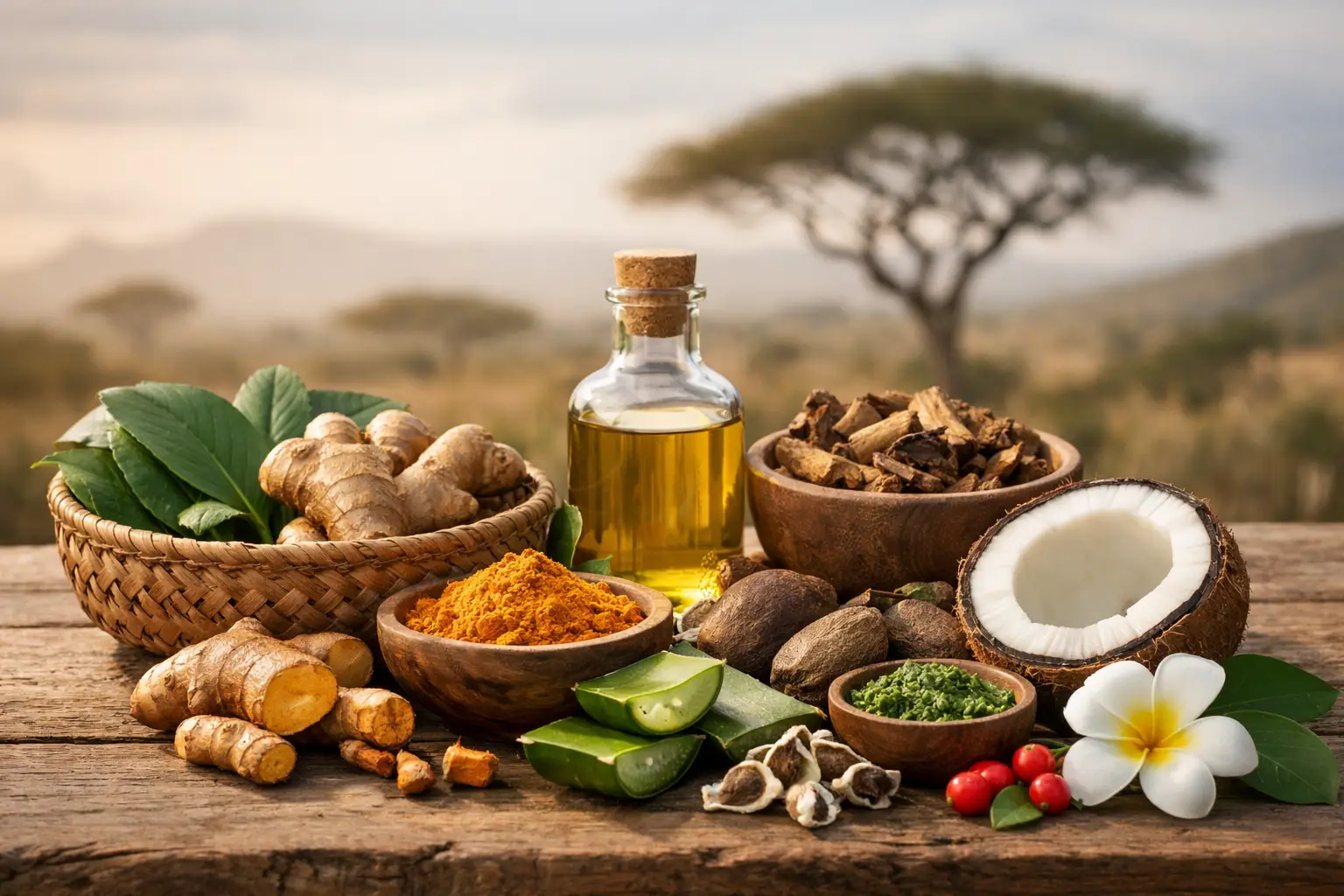
Long before wellness trends put herbs in capsules and teas on store shelves, natural remedies used in Africa were already part of daily life. Across the continent’s many cultures, plants, roots, oils, and foods have long been used to support digestion, skin health, immunity, pain relief, and general well-being. That does not mean every traditional remedy is proven or safe for every person, but many have gained attention because they are practical, familiar, and still widely used today.
Africa is not one single healing tradition. Remedies vary by region, climate, and culture. A plant commonly used in West Africa may be less known in Southern or East Africa. Still, some natural options show up again and again because they are accessible and closely tied to food, home care, and traditional herbal knowledge.
Why natural remedies used in Africa still matter
Part of the reason these remedies remain relevant is simple: many are woven into everyday living. They are not always treated as “alternative medicine” in the modern American sense. A ginger infusion for nausea, shea butter for dry skin, or moringa leaves added to meals may be seen as routine wellness habits rather than special treatments.
Another reason is affordability. In many communities, local plants and household preparations have historically been easier to access than formal medical care. For today’s readers in the US, that makes these remedies interesting not just culturally, but practically. Some are already available in grocery stores, health shops, and skin care products.
Common African natural remedies and what they are used for
Ginger is widely used in many African households, especially for stomach discomfort, colds, and warming the body. Fresh ginger may be boiled into tea or added to food. Its strongest modern support is for nausea and digestion, although people also use it when they feel run down.
Moringa, sometimes called a nutrient-dense tree, is popular in parts of Africa for its leaves, seeds, and pods. The leaves are often dried into powder or cooked into meals. People use moringa as a general wellness food because it contains vitamins, minerals, and plant compounds. It is not a cure for disease, but it may support overall nutrition, which matters for energy and immune function.
Rooibos, a red herbal tea from Southern Africa, is often used as a gentle caffeine-free drink. Many people turn to it for hydration, relaxation, and antioxidant support. It is mild enough for people who want an herbal tea without the sharpness of black tea or coffee.
Hibiscus is used in several African countries as a tart, deep red drink. It is refreshing, but it also gets attention for possible heart health benefits, especially around blood pressure support. That said, people taking blood pressure medicine should be careful, because herbs and medications can interact.
Shea butter is one of the best-known African natural products in the US. Traditionally used for dry skin, minor irritation, and hair care, it works mainly as a moisturizer and skin barrier support. It is useful, but it is not the same as treating eczema, infections, or serious skin problems.
Aloe vera grows in parts of Africa and has a long history of topical use for irritated or dry skin. The gel is commonly applied to soothe the skin surface. Internal use is a different story and can cause side effects, so it should not be treated casually.
Traditional use does not always mean risk-free
This is where balance matters. Natural does not automatically mean harmless. Some herbs can trigger allergies, upset the stomach, affect blood sugar, or interfere with medicines. Pregnant or breastfeeding women, children, and people with chronic conditions should be especially cautious.
Preparation also changes the effect. A small amount of an herb used in food is not the same as a concentrated powder, extract, or supplement. That difference gets overlooked a lot in online wellness advice. Traditional use often relies on context, dosage, and local knowledge passed through generations.
How to use these remedies wisely
If you are curious about trying natural remedies used in Africa, start with the gentlest and most familiar forms. A cup of rooibos tea, small amounts of ginger for digestion, or shea butter for dry elbows and hands are lower-risk examples for many adults. Food-based use is often a more sensible starting point than concentrated supplements.
Pay attention to quality. Imported herbal products can vary widely, and labels do not always tell the full story. If a product makes dramatic claims about curing infections, cancer, diabetes, or infertility, that is a red flag.
It also helps to ask one key question: am I using this for general wellness, or am I trying to treat a medical problem? For mild support, some traditional remedies may fit well into a healthy routine. For ongoing pain, unexplained symptoms, high fever, severe skin reactions, or chronic disease, proper medical care should come first.
A practical way to think about African herbal traditions
The most useful way to view these remedies is with respect and realism. African healing traditions include valuable plant knowledge, nourishing foods, and time-tested self-care practices. At the same time, they should not be romanticized as magic fixes.
For many readers, the best takeaway is simple: some traditional African remedies can be helpful additions to daily wellness, especially for hydration, skin care, and gentle digestive support. The smart move is to stay curious, use common sense, and treat herbs the same way you would treat any health tool – with interest, but also with caution.

