
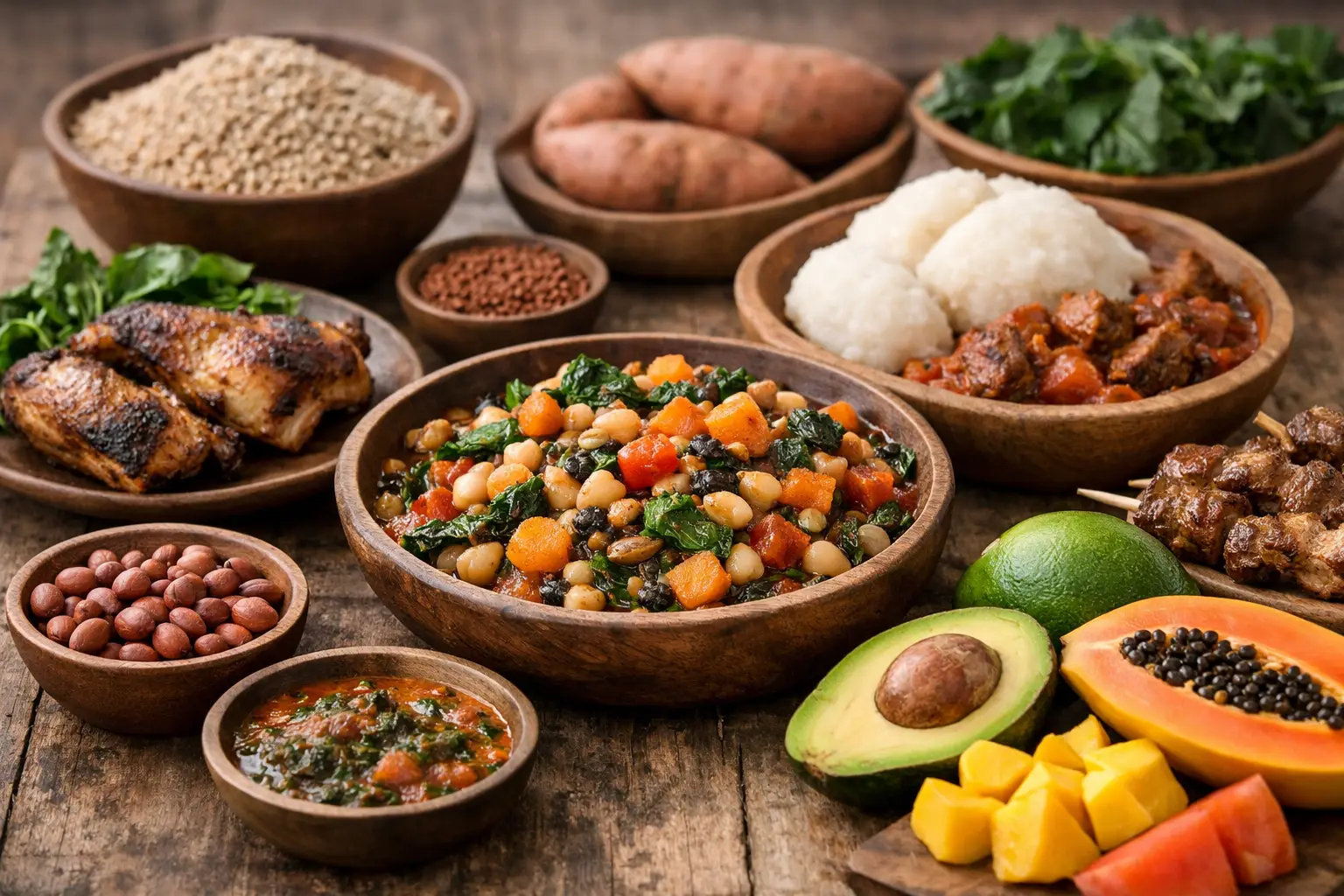
A lot of healthy eating advice in the U.S. gets reduced to trends, but the African diet health benefits people talk about are rooted in something much simpler: real food, eaten in balanced, traditional ways. Across many African regions, meals often center on beans, leafy greens, whole grains, tubers, fruits, nuts, seeds, and modest portions of animal foods. That pattern can support heart health, digestion, weight management, and steadier energy.
That said, there is no single “African diet.” Africa is a huge continent with many food cultures, ingredients, and cooking methods. A coastal West African plate may look very different from an East African or North African meal. Still, many traditional eating patterns share habits that line up with what nutrition experts already recommend.
What makes traditional African eating patterns stand out
One major strength is the emphasis on minimally processed foods. Instead of ultra-processed snacks, sugary drinks, and refined grains showing up at every meal, traditional African diets often rely on staple foods like millet, sorghum, teff, yams, cassava, lentils, black-eyed peas, okra, and dark leafy vegetables. These foods tend to be rich in fiber, vitamins, minerals, and plant compounds that help the body function well.
Many dishes also use herbs, spices, and natural flavor boosters rather than depending heavily on packaged sauces. Ingredients such as ginger, garlic, turmeric, peppers, onions, and fermented foods can add both flavor and nutritional value. For readers who want a more natural approach to wellness, this is one reason these eating patterns get so much attention.
African diet health benefits for everyday wellness
One of the biggest benefits is better fiber intake. Fiber helps support digestion, keeps bowel movements regular, and may help lower cholesterol. It also slows digestion enough to help you feel fuller for longer, which can make overeating less likely.
Blood sugar support is another reason this style of eating deserves a closer look. Meals built around beans, vegetables, and less refined grains are often digested more slowly than meals packed with white bread, pastries, and sugary foods. That can help reduce sharp blood sugar spikes, which matters for people concerned about prediabetes, type 2 diabetes, or energy crashes after meals.
Heart health may benefit too. Plant-forward diets that include legumes, greens, seeds, and healthy fats are often linked with lower risk factors for cardiovascular disease. Potassium-rich foods like leafy greens, beans, and certain fruits may help support healthy blood pressure, especially when they replace sodium-heavy processed foods.
Weight management is another possible advantage, but not in a gimmicky way. Traditional eating patterns are often naturally filling because they include bulky, fiber-rich foods with fewer empty calories. That does not mean every African dish is low-calorie, and it does not mean weight loss is automatic. It does mean these meals can make portion control easier than a diet built around fast food and packaged snacks.
Why plant foods play such a big role
In many traditional African cuisines, plant foods are not side dishes. They are the foundation of the meal. Beans and peas provide protein and fiber. Leafy vegetables bring folate, calcium, magnesium, and antioxidants. Whole grains and starchy roots provide energy, but usually with more nutritional value than highly refined carbs.
This matters because many Americans do not eat enough plants on a daily basis. A more African-inspired plate can be a practical way to fix that without chasing strict diet rules. Think bean stews, sautéed greens, grain porridges, vegetable-rich soups, and fruit as a regular part of the day rather than an afterthought.
Important trade-offs to keep in mind
Not every version of modern African eating is automatically healthy. Just like anywhere else, urbanization and processed food trends have changed how some people eat. Fried foods, sugary beverages, excess salt, and refined flour products can show up in African diets too.
Portion size and preparation matter. A bean dish can be very nutritious, but if it is paired with large amounts of deep-fried sides and sugary drinks, the health value changes. Some traditional staples, such as cassava, also need proper preparation. And people with diabetes, kidney disease, or digestive conditions may need to adjust certain foods based on their personal needs.
Easy ways to bring these benefits into your routine
You do not need to completely change your culture or cuisine to learn from these eating patterns. Start by building meals around one whole-food staple, one vegetable, and one protein-rich plant food. For example, you might try millet or brown rice with stewed beans and greens, or a vegetable soup with lentils and a side of roasted sweet potatoes.
It also helps to swap refined carbs for more traditional whole-food options more often. Choose oatmeal, sorghum, teff, or other whole grains when you can. Use herbs and spices for flavor before reaching for extra salt or sugar. Add more okra, spinach, collard greens, cabbage, tomatoes, onions, and legumes to meals you already enjoy.
If you are curious about natural wellness, this is where Herbafama-style advice becomes practical: focus less on labels and more on food patterns. The healthiest diets are usually not the most extreme. They are the ones you can repeat week after week.
African food traditions offer a smart reminder that healthy eating does not have to be trendy to work. When meals are built from fiber-rich staples, colorful vegetables, beans, fruits, and simple ingredients, the benefits can show up in ways your body notices every day.

