
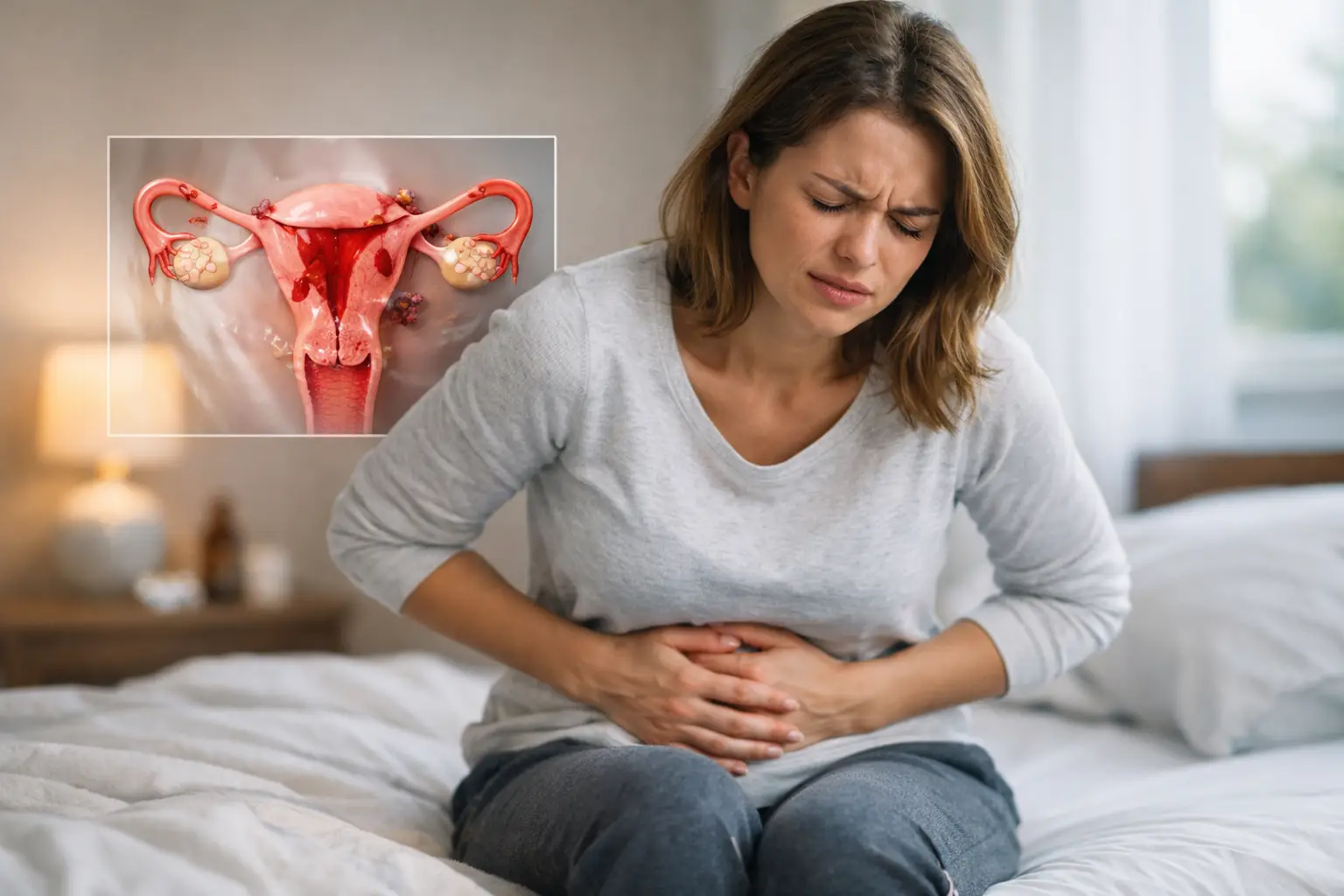
Severe period pain is often brushed off as normal, but that can be a costly mistake. Endometriosis symptoms can be easy to miss at first because they often overlap with common menstrual, digestive, or fertility problems. The difference is that the pain, fatigue, and disruption can become intense enough to affect work, relationships, sleep, and daily life.
Endometriosis happens when tissue similar to the lining of the uterus grows outside the uterus. These growths can appear on the ovaries, fallopian tubes, bladder, bowel, and other pelvic areas. Over time, they can trigger inflammation, scarring, and pain, especially around the menstrual cycle. Not everyone has the same experience, which is one reason the condition can take years to recognize.
Common endometriosis symptoms
The symptom most people notice first is pelvic pain, especially before or during a period. But this is not just typical cramping. The pain may feel sharp, deep, throbbing, or constant, and it may not improve much with standard pain relievers. Some people also have pain that starts days before bleeding begins and lingers after the period ends.
Another common sign is unusually heavy bleeding or bleeding between periods. Some people soak through pads or tampons quickly, while others notice clotting or longer-than-usual menstrual cycles. Heavy bleeding does not always mean endometriosis, but when it appears along with severe pain, it deserves attention.
Pain during sex is another symptom that is often overlooked or hard to talk about. Endometriosis can cause deep pelvic pain during or after intercourse. For some, this becomes one of the most disruptive parts of the condition because it affects both physical comfort and emotional well-being.
Symptoms that do not always look gynecological
One reason endometriosis is confusing is that it can look like a digestive issue. Some people have bloating, constipation, diarrhea, nausea, or pain with bowel movements, especially during their period. This is sometimes called “endo belly” when the bloating becomes very noticeable.
Urinary symptoms can also happen. Pain when urinating, bladder pressure, or feeling like you need to go often may show up around menstruation. Because these signs can mimic a urinary tract infection or irritable bowel syndrome, endometriosis may not be the first thing people suspect.
Fatigue is another major issue. Ongoing pain, inflammation, poor sleep, and heavy bleeding can leave you feeling drained. If periods regularly knock you out for days, that is not something to ignore.
Endometriosis symptoms and fertility problems
Some people do not realize anything is wrong until they have trouble getting pregnant. Endometriosis can affect fertility by causing inflammation, scarring, or changes in the reproductive organs. That said, infertility is not a guaranteed sign, and many people with endometriosis do conceive. The key point is that painful periods plus fertility struggles can be an important clue.
It is also possible to have mild symptoms with more significant disease, or severe symptoms with less visible disease. In other words, the amount of pain does not always match how extensive the condition is.
When symptoms are more than “just bad periods”
A lot of people grow up hearing that painful periods are simply part of being a woman. That belief can delay diagnosis for years. If pain makes you miss school, cancel plans, call out of work, or rely heavily on heating pads and medication every month, it is worth discussing with a healthcare professional.
Warning signs include pain that keeps getting worse, bleeding that seems excessive, pain during sex, digestive issues that flare with your cycle, and fatigue that feels overwhelming. These patterns matter more than any one symptom on its own.
What to do if you suspect endometriosis
Start tracking your symptoms. Write down when pain begins, where you feel it, how strong it is, how heavy your bleeding is, and whether bowel, bladder, or sexual pain happens around your cycle. A symptom journal can make doctor visits more productive because it shows patterns clearly.
A doctor may ask about your periods, pelvic pain, family history, and fertility goals. Imaging can help rule out other issues, but endometriosis is not always easy to see on scans. That is why a good symptom history is so important.
Treatment depends on your symptoms, age, and plans for pregnancy. Options may include pain relief, hormonal treatments, or surgery in some cases. Many people also look for supportive lifestyle strategies such as anti-inflammatory eating, stress management, gentle movement, and heat therapy. These steps do not cure endometriosis, but they may help reduce day-to-day discomfort when used alongside medical care.
If you have been told your pain is normal but your body keeps telling you otherwise, trust that signal. Endometriosis symptoms are real, they can affect far more than your period, and getting answers sooner can make a big difference in how you feel and function every month.

