
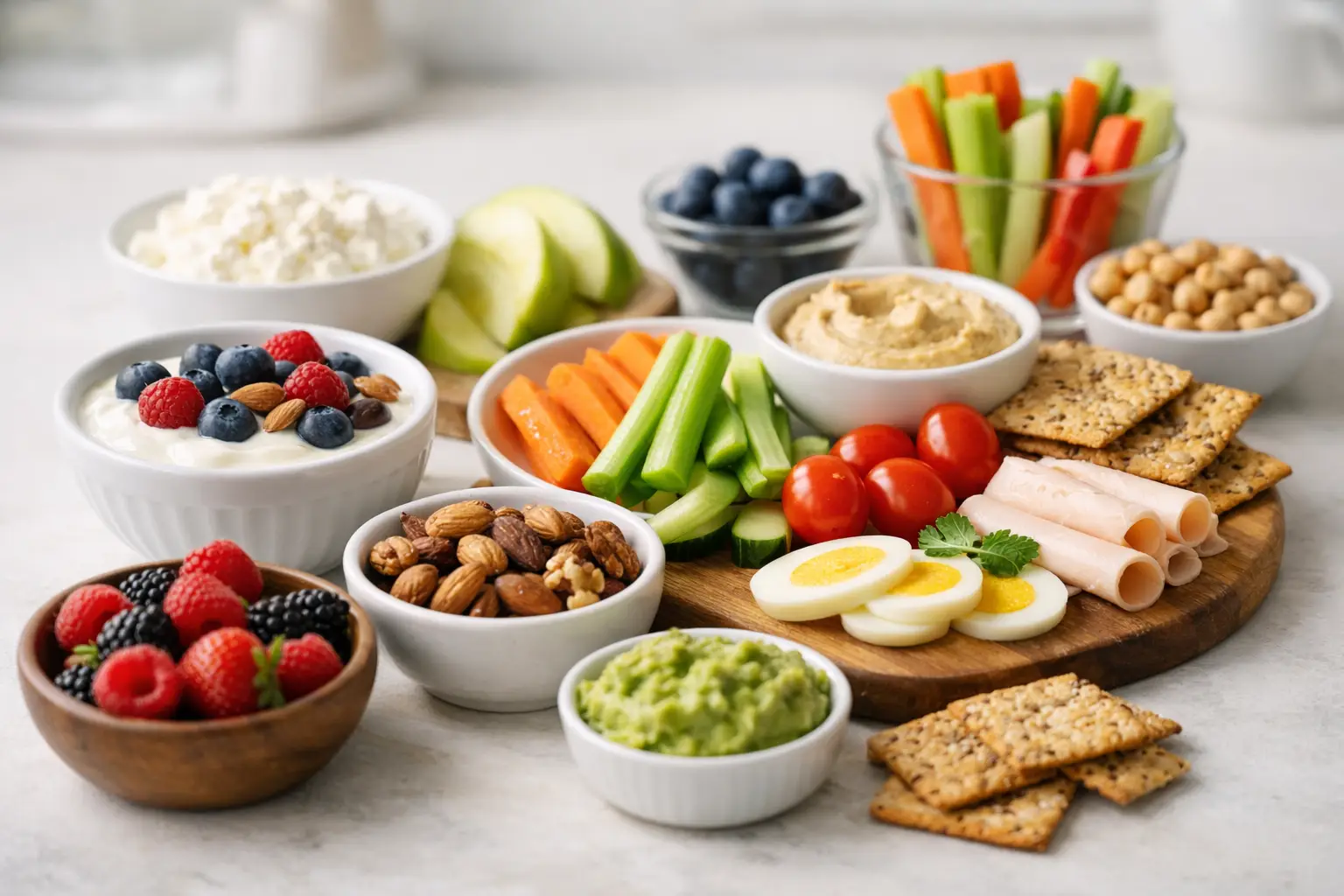
That 3 p.m. crash can feel brutal when you have diabetes. You want something quick, filling, and satisfying, but not a snack that sends your blood sugar on a roller coaster. The best snacks for diabetics do more than take the edge off hunger. They help steady energy, prevent overeating later, and make day-to-day blood sugar management a little easier.
The trick is not finding “diet food.” It is choosing snacks with a better balance of protein, fiber, and healthy fat, while keeping a close eye on added sugar and refined carbs. That means a snack can absolutely be tasty, convenient, and comforting. It just needs to work with your body instead of against it.
What makes a snack diabetes-friendly?
A good snack for diabetes usually has one job: slow things down. Foods rich in fiber, protein, or fat tend to digest more gradually than sugary or highly processed options. That slower digestion can help reduce sharp spikes in blood sugar and keep you full longer.
Carbohydrates are not the enemy, but the type and portion matter. An apple by itself may work well for one person, while someone else may do better pairing it with peanut butter or cheese. The same goes for crackers, fruit, yogurt, and even granola. Context matters.
It also helps to think beyond the label. “Low-fat,” “natural,” and even “gluten-free” do not automatically mean blood sugar-friendly. Many packaged snacks still pack a surprising amount of sugar or starch. Reading nutrition labels and ingredient lists can save you from choices that look healthy but behave more like dessert.
Best snacks for diabetics that actually satisfy
1. Apple slices with peanut butter
This is a classic for a reason. Apples bring fiber and natural sweetness, while peanut butter adds fat and a little protein. Together, they are more balanced than fruit alone and often keep hunger away for longer.
The one catch is portion size. A huge spoonful of peanut butter can turn a smart snack into a calorie-heavy one fast. Stick with a modest amount, and choose peanut butter with no added sugar if possible.
2. Greek yogurt with berries
Plain Greek yogurt is one of the most practical high-protein snacks around. It is creamy, filling, and easy to pair with a small handful of berries for fiber and flavor. Blueberries, raspberries, and strawberries all work well.
Sweetened yogurt can be a problem, though. Many flavored cups have as much sugar as a dessert. Plain yogurt with your own fruit gives you more control.
3. A handful of nuts
Almonds, walnuts, pistachios, and pecans are simple, portable, and satisfying. They offer healthy fats, some protein, and very few carbs compared with chips or crackers. For many people with diabetes, nuts are one of the easiest snack upgrades.
Just watch the portion. Nuts are nutrient-dense, but they are also easy to overeat, especially straight from a big container. Pre-portioning them into small bags or containers can help.
4. Cottage cheese with cucumber or tomatoes
Cottage cheese is high in protein and tends to be very filling. Pairing it with sliced cucumber or cherry tomatoes gives you crunch and freshness without adding many carbs.
If you are sensitive to sodium, compare brands. Some cottage cheese products are much saltier than others.
5. Hard-boiled eggs
Eggs are one of the most affordable, effective high-protein snacks you can keep in the fridge. They are quick to eat, easy to prepare ahead, and can help take the edge off strong hunger.
If plain eggs feel boring, try adding a little pepper, paprika, or a few slices of avocado. A snack does not need to be fancy to work well.
6. Raw vegetables with hummus
Carrot sticks, celery, bell pepper strips, and cucumbers paired with hummus make a balanced snack with fiber and plant-based protein. It is crunchy, savory, and much more satisfying than many packaged snack foods.
Carrots do contain more natural sugar than some other vegetables, but in a normal snack portion they can still fit well for most people. If you notice a stronger blood sugar response, lean more on cucumbers, celery, or peppers.
7. Cheese and whole-grain crackers
This snack works best when the crackers are truly whole grain and the portion is reasonable. The cheese adds protein and fat, and the crackers can satisfy the urge for something crunchy.
This is a good example of where labels matter. Many crackers marketed as multigrain are still mostly refined flour. Look for whole grain listed first in the ingredients.
8. Chia pudding
Chia seeds absorb liquid and create a pudding-like texture that is rich in fiber. When made with unsweetened milk and little or no added sweetener, chia pudding can be a smart make-ahead snack.
A small portion is usually enough because chia is very filling. You can add cinnamon, vanilla, or a few berries for taste without turning it into a sugar bomb.
9. Tuna salad in lettuce cups
If you need a snack that feels more substantial, tuna salad wrapped in romaine or butter lettuce can work well. It is high in protein and low in carbs, which many people find helpful between meals.
Keep the ingredients simple. A mayo-heavy tuna mix is not automatically bad, but balance still matters. Adding celery, herbs, or a squeeze of lemon can improve flavor without adding sugar.
10. Edamame
Edamame is one of the most underrated snacks for blood sugar support. These young soybeans offer protein, fiber, and a satisfying bite. You can buy them frozen, steam them quickly, and sprinkle on a little sea salt.
They are especially useful for people who want more plant-based options without relying on processed snack bars.
11. Avocado on cucumber slices or whole-grain toast
Avocado brings healthy fat and a creamy texture that can make a snack feel more indulgent than it is. On cucumber slices, it stays very low in carbs. On a slice of whole-grain toast, it becomes more filling and can work well if you need extra staying power.
This is one of those snacks where individual tolerance matters. Some people do fine with the toast version, while others may prefer the lower-carb cucumber option.
12. Roasted chickpeas
Roasted chickpeas can satisfy that craving for something salty and crunchy. They offer more fiber and protein than pretzels or chips, and they are easy to season with garlic, paprika, or cumin.
They still contain carbs, so this is not a free-for-all snack. A measured portion works better than mindless handfuls.
Snacks that look healthy but can backfire
Some of the worst snack choices for diabetes are the ones marketed as wholesome. Granola bars, dried fruit, fruit smoothies, flavored oatmeal cups, and trail mix with candy can all deliver a heavy load of fast-digesting carbs.
Even foods with healthy ingredients can be tricky. A smoothie made with banana, mango, honey, and juice may sound nutritious, but it can hit your system much faster than whole fruit with protein. Dried fruit is another common issue. Because the water is gone, it is easy to eat a lot of sugar in just a few bites.
That does not mean these foods are forbidden forever. It means they usually work better in small amounts, paired carefully, or saved for times when you can monitor your response.
How to build your own smart snack
If you do not want to memorize a list of approved foods, use a simple formula. Start with protein or healthy fat, then add fiber-rich produce or a modest portion of high-quality carbs. That could mean turkey and cucumber, yogurt and berries, cheese and pear slices, or hummus with vegetables.
A useful habit is asking one question before you snack: Will this keep me full for more than 20 minutes? If the answer is no, it probably needs more balance. Snacks built only around crackers, juice, or sweets often leave people hungry again very quickly.
Timing matters too. Some people with diabetes do better with a planned snack between meals, while others do better avoiding constant grazing. If you use insulin or certain glucose-lowering medications, your snack needs may be different from someone managing diabetes through food and exercise alone.
A few practical tips that make snacking easier
Keeping better snacks visible can make a real difference. If washed berries, boiled eggs, cut vegetables, and portioned nuts are ready to grab, you are less likely to reach for cookies or chips when hunger hits fast.
It also helps to test patterns instead of guessing. Blood sugar responses can vary from person to person. One reader may handle oatmeal and fruit just fine, while another sees a noticeable spike. Paying attention to your own numbers, hunger, and energy can tell you more than any generic snack list.
And if you enjoy herbal wellness, unsweetened cinnamon tea, ginger tea, or peppermint tea can pair nicely with a snack and may help you feel more satisfied without adding sugar. Just keep expectations realistic. Tea can support a healthy routine, but it does not cancel out a high-sugar snack.
The best snack is the one that fits your real life, supports steadier blood sugar, and does not leave you feeling deprived. When a snack is simple, balanced, and satisfying, it becomes a tool you can actually use every day.

