
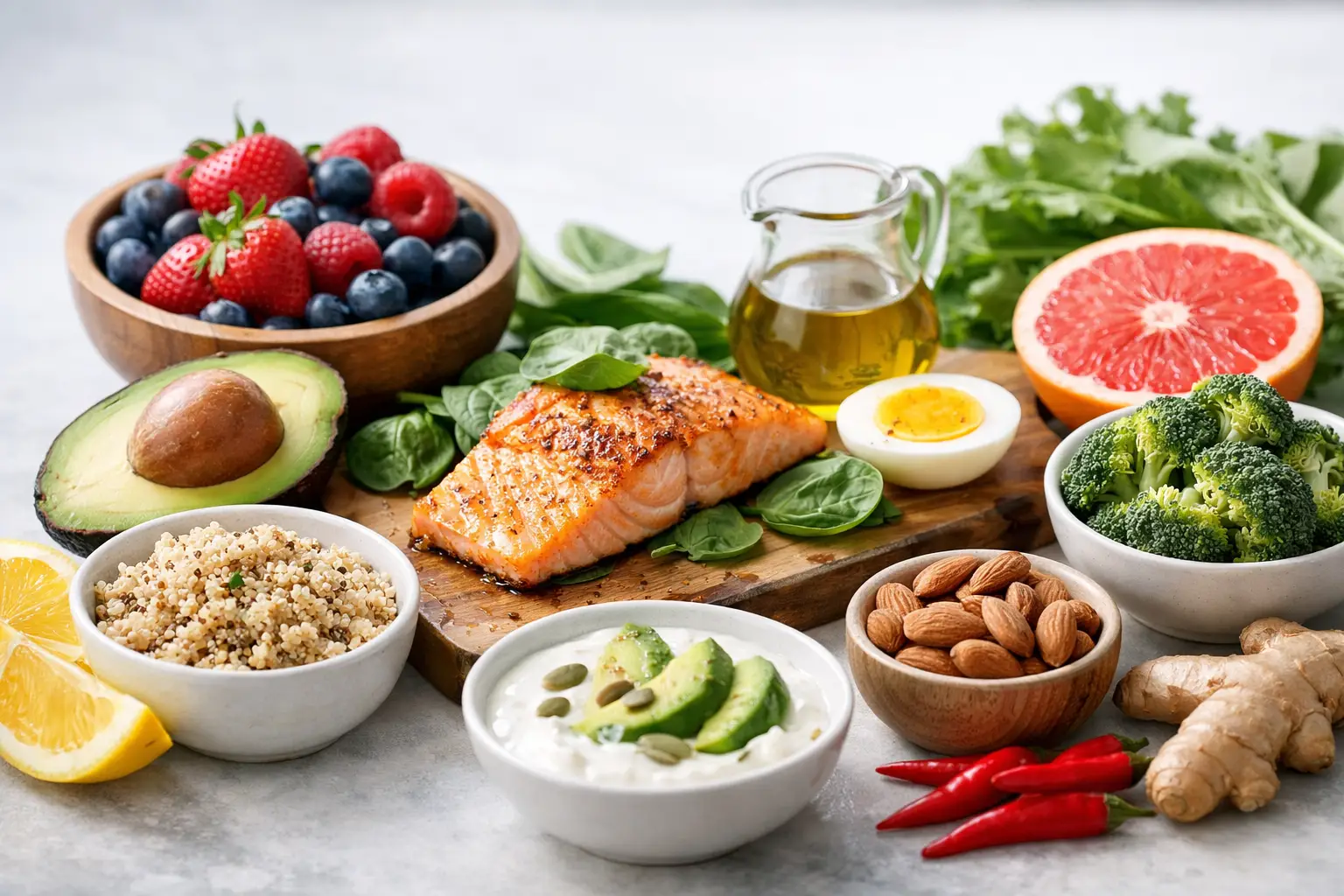
If your midsection seems to hold onto weight no matter what you do, you are not imagining it. Belly fat can be stubborn, and while no single meal magically melts it away, certain foods that burn belly fat can make weight loss easier by helping you stay full, support blood sugar balance, and reduce overeating.
That distinction matters. There is no food that targets belly fat alone, but there are foods that support overall fat loss and better metabolic health. Since excess abdominal fat is linked with a higher risk of heart disease, type 2 diabetes, and inflammation, choosing the right foods is about more than how your jeans fit.
Can foods that burn belly fat really help?
The phrase sounds dramatic, but the real science is simpler. Foods do not directly “burn” belly fat in the way a workout or calorie deficit affects body fat. What they can do is help create the conditions that make fat loss more likely.
The most helpful foods tend to have one or more of these traits: they are high in protein, rich in fiber, minimally processed, or supportive of steady energy levels. When your meals keep you full longer and reduce blood sugar spikes, it becomes easier to eat less without feeling miserable.
That is why the best approach is not chasing a miracle ingredient. It is building a diet around foods that naturally help your body regulate hunger and energy.
10 foods that burn belly fat by supporting fat loss
1. Eggs
Eggs are one of the most satisfying foods you can eat. They are rich in protein, easy to prepare, and often help people feel full for hours. A breakfast built around eggs may reduce the urge to snack later in the day, which can help with calorie control.
Eggs also fit into many eating styles, from lower-carb plans to balanced diets. If you are watching cholesterol, talk with your doctor about what amount makes sense for you, especially if you have heart disease or diabetes.
2. Greek yogurt
Plain Greek yogurt is high in protein and can be a smart choice for appetite control. Protein takes longer to digest than refined carbs, so meals with Greek yogurt may help you stay satisfied longer.
It also contains probiotics, which may support gut health. Gut health is not a magic solution for weight loss, but it may play a role in inflammation, digestion, and how comfortably you stick with healthy eating. Choose unsweetened varieties when possible, since flavored yogurts can carry a surprising amount of added sugar.
3. Oats
Oats are a strong choice if you tend to get hungry soon after breakfast. They contain soluble fiber, especially beta-glucan, which helps slow digestion and can improve fullness.
A bowl of oatmeal made with minimal added sugar is very different from sugary instant packets. Add cinnamon, berries, or a spoonful of nut butter if you want more flavor and staying power.
4. Berries
Berries are sweet, but they are also high in fiber and lower in sugar than many other fruits. That makes them useful when you want something satisfying without the crash that often follows desserts or sugary snacks.
Strawberries, blueberries, raspberries, and blackberries all work well. They can help you cut back on more processed sweets while adding antioxidants and nutrients your body needs.
5. Avocados
Avocados are higher in calories than many fruits, but that does not make them a bad choice. In fact, their healthy fats and fiber can help you feel full and more satisfied after meals.
The trade-off is portion size. Eating half an avocado with lunch can be helpful. Eating several servings at once because it is a “healthy fat” can quietly push calories too high. For many people, avocados work best as part of a balanced meal, not as a free-for-all food.
6. Beans and lentils
Beans and lentils deserve more attention in weight loss conversations. They combine plant protein with fiber, which is a powerful mix for fullness. They are also affordable, versatile, and useful in soups, salads, grain bowls, and simple dinners.
Because they digest slowly, they may help with blood sugar stability and reduce the urge to keep eating shortly after a meal. If beans tend to cause gas or bloating, start with small portions and increase gradually.
7. Leafy greens
Spinach, kale, romaine, arugula, and similar greens are low in calories but high in volume. That means they can make meals look and feel bigger without adding much energy intake.
This matters more than people think. A meal that physically fills the plate can be psychologically and physically more satisfying. Leafy greens will not burn belly fat on their own, but they can help you eat more food volume while keeping calories in check.
8. Salmon
Salmon is rich in protein and contains omega-3 fatty acids, which may help support heart health and reduce inflammation. Since abdominal fat is closely tied to metabolic health, foods that support the heart and blood vessels are worth paying attention to.
Protein-rich meals with salmon may also help reduce cravings later. If salmon is not in your budget, sardines, tuna, and trout can offer similar benefits.
9. Nuts
Nuts are calorie-dense, but they can still support weight management when portions are reasonable. Almonds, walnuts, pistachios, and peanuts offer a mix of protein, fat, and fiber that helps with satisfaction.
The main issue is mindless eating. A small handful can be useful. Eating straight from a large container while watching TV can work against your goals. Pre-portioning makes a real difference here.
10. Chili peppers
Chili peppers contain capsaicin, a compound that may slightly increase calorie burning and help with appetite in some people. The effect is modest, not dramatic, but it can still be part of a helpful overall pattern.
If you enjoy spicy food, this is an easy add-on. If spicy foods upset your stomach or worsen reflux, skip them. There is no benefit in forcing a food that makes you feel worse.
What to eat less often if belly fat is your concern
Focusing only on “fat-burning” foods misses half the picture. Some foods make belly fat harder to lose because they are easy to overeat and do little to keep you full.
Sugary drinks are a major one. Soda, sweet tea, energy drinks, and many coffee beverages can add a lot of calories quickly without satisfying hunger. Highly processed snack foods, white bread, pastries, and oversized fast-food meals can create the same problem.
Alcohol can also play a role. For some people, regular drinking increases appetite, disrupts sleep, and adds extra calories that are easy to overlook. You do not necessarily need to give it up completely, but it is worth being honest about how often and how much you drink.
How to use foods that burn belly fat in real life
The most effective strategy is to build meals around protein, fiber, and healthy fats. That usually looks like eggs with fruit, Greek yogurt with berries, salmon with vegetables, or a bean-based lunch that keeps you full through the afternoon.
Try to think in meals, not miracle ingredients. Oats help more when they replace sugary cereal. Avocados help more when they make a salad satisfying enough that you skip the afternoon vending machine run. Nuts help more when they replace chips, not when they are added on top of an already heavy snack routine.
Sleep, stress, and movement matter too. Chronic stress can make appetite harder to manage, poor sleep can increase cravings, and a sedentary routine makes fat loss slower. Food is a big piece of the puzzle, but not the only one.
A quick reality check on belly fat
Genetics, age, hormones, and health conditions all affect where your body stores fat. Some people lose weight in their face and arms first, while their stomach changes last. That can be frustrating, but it does not mean your efforts are failing.
The goal is not to find a single food with a dramatic promise. It is to create a way of eating you can keep doing next week and next month. That is where real change happens.
If you want foods that burn belly fat to actually make a difference, choose the ones that help you eat well consistently, not perfectly. Small daily choices tend to beat extreme plans every time.

