
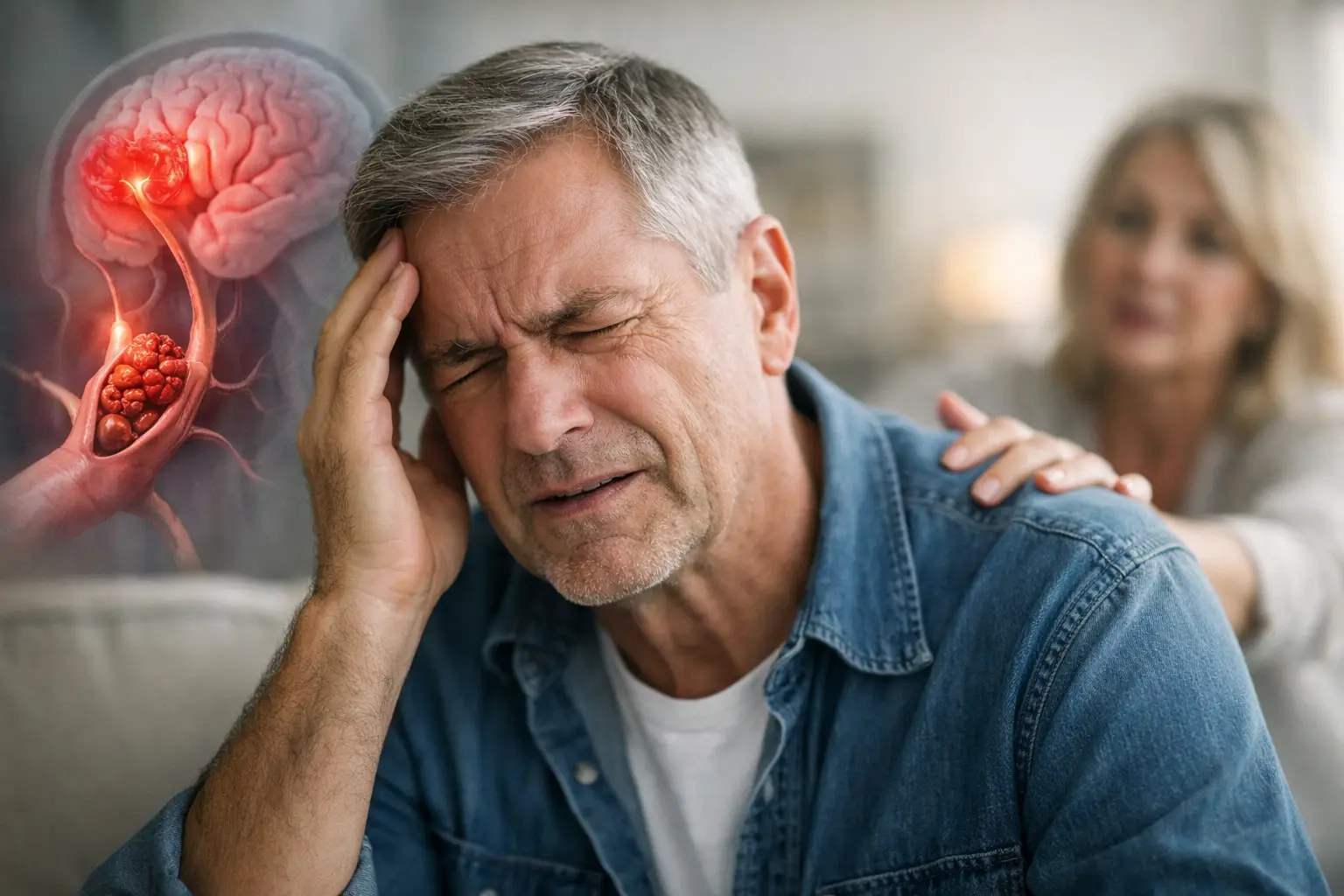
A stroke can start in minutes and change a life for years. That is why knowing the stroke warning signs is not just helpful – it can be lifesaving. Many people expect a dramatic collapse, but some strokes begin with symptoms that seem easy to brush off, like sudden confusion, numbness, or trouble seeing.
A stroke happens when blood flow to part of the brain is blocked or when a blood vessel in the brain bursts. In either case, brain cells begin to die quickly. Fast treatment matters because every minute without proper blood flow increases the risk of lasting damage.
The most common stroke warning signs
The easiest way to remember the main signs is the word FAST. It stands for face drooping, arm weakness, speech difficulty, and time to call 911. If one side of the face looks uneven, if one arm drifts downward, or if speech sounds slurred or strange, treat it as an emergency.
But FAST does not cover everything. Other stroke warning signs can include sudden numbness or weakness, especially on one side of the body, sudden trouble seeing in one or both eyes, sudden dizziness, trouble walking, loss of balance, or a severe headache with no clear cause. Some people also feel suddenly confused or have trouble understanding simple words.
What makes stroke symptoms tricky is that they usually come on suddenly. If a person was fine a few minutes ago and now cannot speak clearly, lift an arm, or walk normally, that sudden shift is a major red flag.
Stroke warning signs people often miss
Not every stroke looks the same. Some symptoms are more subtle, especially in older adults or people who already have other health problems. A person may seem unusually forgetful, disoriented, or clumsy. They may complain that their vision is blurry or that the room is spinning. Others may have a sudden, intense headache and think it is just a migraine.
This is where people lose precious time. They wait to see if it passes, take a nap, or assume stress is to blame. That delay can make recovery harder. Even symptoms that come and go need urgent medical attention.
What if symptoms go away?
A short-lived episode can be a transient ischemic attack, often called a mini-stroke. This happens when blood flow to the brain is briefly blocked and then returns. The symptoms may disappear within minutes or hours, but that does not mean the danger is over.
A mini-stroke is a warning. It can happen before a major stroke, sometimes within days. If symptoms vanish, the right response is still to get emergency help right away, not to wait for a doctor’s appointment next week.
When to call 911
If you notice any possible stroke warning signs, call 911 immediately. Do not drive yourself unless there is absolutely no other option. Emergency teams can begin assessment on the way and route the patient to the right hospital faster.
It also helps to note the time symptoms started. Doctors use that information to decide which treatments may be safe and effective. If you are not sure when the stroke began, use the last time the person was seen acting normally.
Who is more at risk?
Anyone can have a stroke, but some people face a much higher risk. High blood pressure is one of the biggest factors. Diabetes, smoking, high cholesterol, obesity, heart disease, sleep apnea, and a family history of stroke also raise the odds. Risk increases with age, but younger adults can have strokes too.
For many readers, prevention starts with everyday habits. Managing blood pressure, staying active, eating a balanced diet, avoiding smoking, limiting excess alcohol, and keeping blood sugar under control all matter. Natural wellness habits can support overall health, but they should never replace emergency stroke care or prescribed treatment for major risk factors.
What not to do during a possible stroke
Do not wait for symptoms to improve. Do not give food, drinks, or supplements to someone who may have trouble swallowing. Do not assume it is low blood sugar, exhaustion, or anxiety without medical evaluation. And do not let embarrassment stop you from calling for help. It is far better to be cautious than to miss a stroke.
If the person is awake, keep them safe and seated or lying down until help arrives. Stay calm, watch for changes, and be ready to tell emergency responders what happened and when it started.
Why acting fast matters so much
Stroke treatment is time-sensitive. Some clot-related strokes may be treated with medicine that breaks up the clot, but that option only works within a limited window. Other patients may need procedures to restore blood flow. The sooner treatment begins, the better the chance of saving brain function.
That is the core message Herbafama readers should remember: sudden symptoms are never something to watch and wait on. If the face droops, speech changes, vision blurs, or one side of the body goes weak, treat it like the emergency it is. Quick action can protect the brain, preserve independence, and in some cases save a life.

