
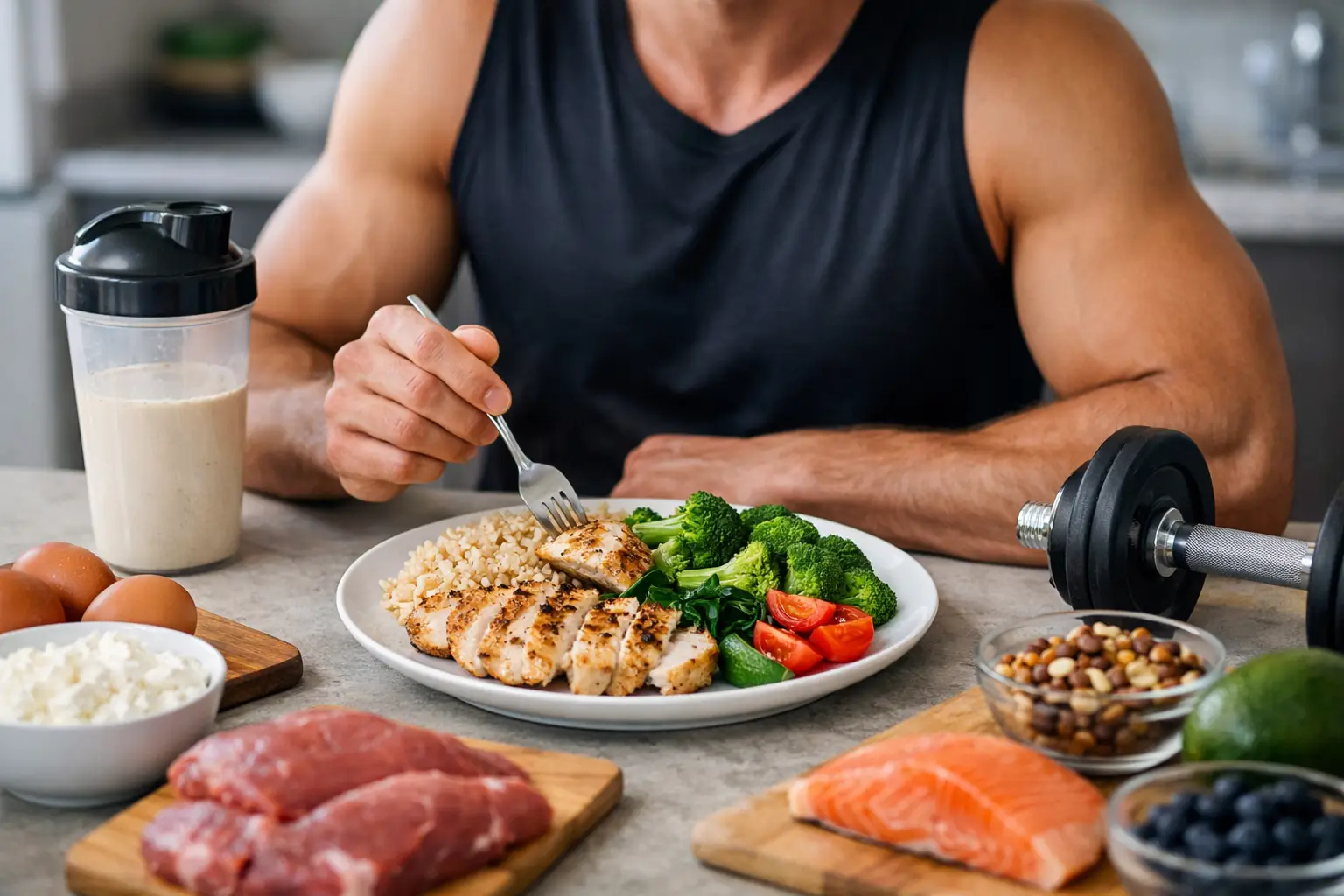
Most people who want more muscle focus on workouts first and food second. That is usually where progress stalls. Muscle-building diets matter because your body cannot create new muscle tissue without enough calories, protein, and recovery support from the foods you eat every day.
The good news is that you do not need a bodybuilder meal plan or expensive supplements to get results. For most adults, building muscle comes down to eating enough, choosing the right balance of nutrients, and staying consistent long enough to let training and nutrition work together.
What muscle-building diets need most
At the center of muscle gain is a calorie surplus. That means eating a little more energy than your body burns. If you are lifting regularly but not gaining strength, size, or body weight over time, you may simply not be eating enough.
Protein gets the most attention, and for good reason. It provides the amino acids your muscles use to repair and grow after exercise. Many active adults do well with roughly 0.7 to 1 gram of protein per pound of body weight each day, depending on training intensity, age, and goals. Spreading that protein across meals often works better than trying to cram it all into dinner.
Carbohydrates also deserve more respect. They help refill glycogen, support workout performance, and make it easier to train hard enough to stimulate muscle growth. If your diet is too low in carbs, your energy may dip and your workouts may suffer. Foods like oats, rice, potatoes, fruit, beans, and whole grain breads can all fit.
Fat is not the enemy either. Healthy fats support hormone production and help make meals more satisfying. Nuts, seeds, avocado, olive oil, eggs, and fatty fish are smart choices. The key is balance. A muscle-focused diet that is too heavy in fat can crowd out the carbs and protein you also need.
Best foods for muscle-building diets
The best foods are usually simple, affordable, and easy to repeat. Lean meats, chicken, turkey, Greek yogurt, cottage cheese, eggs, tofu, tempeh, beans, lentils, and fish all provide quality protein. For carbs, think rice, pasta, oats, sweet potatoes, regular potatoes, quinoa, fruit, and whole grains.
You also need micronutrients. That is where vegetables, berries, nuts, seeds, and herbs can quietly support the bigger picture. Leafy greens, broccoli, peppers, and citrus fruits provide nutrients involved in recovery, immune health, and energy metabolism. Natural wellness fans often overlook this part when chasing protein goals, but better overall nutrition can make your training more sustainable.
If your appetite is low, calorie-dense foods can help. Nut butters, smoothies with milk or yogurt, trail mix, granola, and olive oil added to meals can raise calories without making you feel stuffed.
How to structure meals for muscle gain
You do not need to eat every two hours. What helps most is having regular meals that include protein, carbs, and some healthy fat. For many people, three main meals and one or two snacks is enough.
A practical day might include eggs and oatmeal at breakfast, chicken with rice and vegetables at lunch, Greek yogurt with fruit as a snack, and salmon with potatoes at dinner. After training, a meal or snack with protein and carbs can support recovery, but the total amount you eat across the day still matters more than perfect timing.
Hydration matters too. Muscles hold water, and even mild dehydration can affect performance. If you sweat heavily during workouts, replacing fluids and electrolytes becomes even more important.
Common mistakes that slow muscle growth
One of the biggest mistakes is eating “clean” but not eating enough. Salads, grilled chicken, and smoothies may sound healthy, but they may not provide enough calories for growth if portions are too small.
Another mistake is relying too heavily on supplements. Protein powder can be convenient, but it should support your diet, not replace real meals. Creatine may help some people improve strength and training output, but no supplement can fix poor eating habits or inconsistent workouts.
Some people also fear gaining any fat, so they stay in too small a calorie surplus. A little body fat gain can happen during a muscle-building phase. That does not mean your plan is failing. It usually means you need to watch your rate of gain and adjust, not panic.
Do herbal or natural supports help?
Food should come first, but some people like adding natural wellness habits that support recovery. Ginger and turmeric may help some people manage exercise-related soreness as part of an overall healthy diet. Tart cherry products are also popular for recovery support. These are not magic muscle builders, but they may fit into a broader wellness routine.
If you have kidney disease, diabetes, digestive issues, or another chronic condition, a high-protein or calorie-surplus diet may need adjustments. The safest approach is to match your eating plan to your health status, not just your fitness goal.
The smartest way to start
If muscle gain feels confusing, keep it simple. Eat a little more than you do now, include protein at each meal, do not cut carbs too low, and track your progress for a few weeks. If your strength improves and your body weight slowly rises, your diet is probably moving in the right direction. Small changes done consistently beat extreme plans every time.

